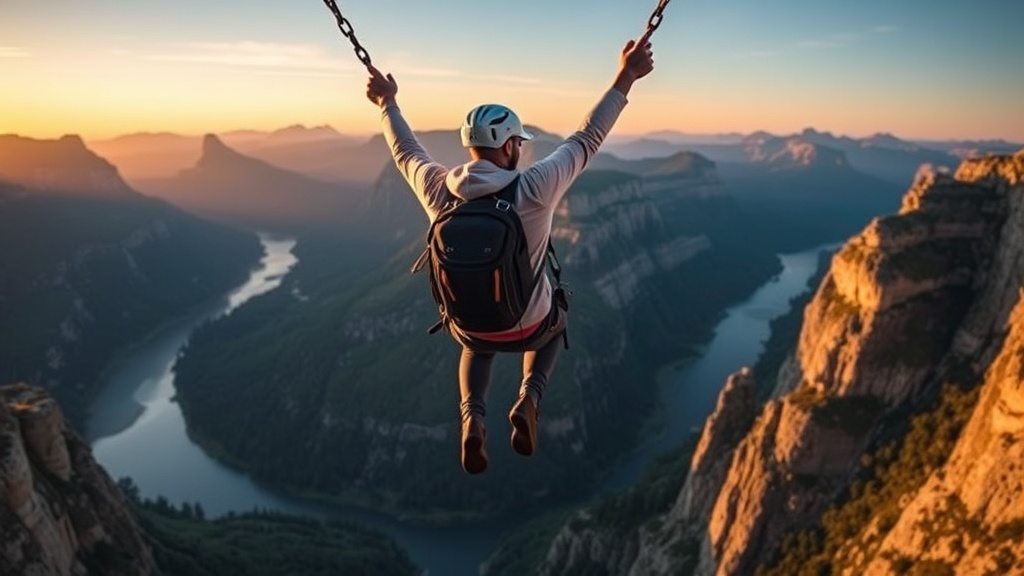
7 Jaw-Dropping Bungee Jumping Destinations for Adrenaline Seekers
Kawarau Bridge, New Zealand — The Birthplace of Bungee
Macau Tower, China — The World's Highest Commercial Jump
Bloukrans Bridge, South Africa — Africa's Highest Bridge Jump
Victoria Falls Bridge, Zambia/Zimbabwe — The Gorge Swing Experience
Nevis Highwire, New Zealand — The Ultimate Canyon Swing
Bungee jumping transforms ordinary travelers into seekers of raw, unfiltered experience. This guide covers seven destinations that define the sport—from the birthplace of commercial jumping to engineering marvels that push human limits. Whether you're planning your first leap or hunting for the next rush, these locations deliver scenery, height, and the pure adrenaline that only freefall can provide.
What Is the Highest Bungee Jump in the World?
The Macau Tower holds the record at 233 meters (764 feet). Operated by AJ Hackett, this jump isn't just tall—it's a full six seconds of freefall before the cord catches. That's nearly double the time of most commercial jumps.
The platform sits at the tower's observation deck. You'll step into a specially designed cage, get clipped into a body use (different from ankle attachments), and jump through a hole in the floor. The catch? You can't see the ground directly below—only the cityscape of Macau stretching outward.
Jump masters here handle over 100 jumps daily. The system uses a "guide cable" that prevents swing-back into the tower. At $400+ USD per jump, it's not cheap. That said, the bragging rights last forever.
The landing happens on an inflated pad at ground level—no rebounding back up like traditional jumps. The entire experience, from gearing up to unclipping, takes about 15 minutes. Worth noting: weight limits are strict here (minimum 45kg, maximum 125kg).
Where Was Bungee Jumping Invented as a Commercial Sport?
New Zealand. Specifically, the Kawarau Bridge near Queenstown. AJ Hackett and Henry van Asch opened the world's first commercial bungee operation here in 1988, and the site still operates today.
The bridge spans 43 meters above the turquoise Kawarau River. It's a relatively gentle introduction—perfect for first-timers testing the waters. You can even touch the water if you ask the jump master (they'll adjust your cord length). The historic stone bridge, built in 1880, adds character that newer platforms can't replicate.
Queenstown itself has earned the title "Adventure Capital of the World" partly because of this operation. The town sits on Lake Wakatipu, surrounded by the Remarkables mountain range. After jumping, most visitors grab a beer at the on-site bar and watch others take the plunge.
The operation runs year-round. Winter jumps happen in freezing temperatures—sometimes snow falls as you fall. Summer brings queues that stretch for hours. Here's the thing: book the first slot of the day (9 AM) to avoid crowds and get the calmest water reflections.
7 Bungee Jumping Destinations That Redefine Adventure
1. Nevis Highwire — Queenstown, New Zealand
Forty minutes from Queenstown, the Nevis Highwire suspends jumpers 134 meters above a rocky canyon. This isn't a bridge jump—the platform hangs from a cable car system stretched between two valley walls. You step off a glass floor (terrifying) into eight seconds of freefall.
The Nevis represents the evolution of the sport. Where Kawarau was the beginning, this is where jump masters refined the experience. The remote location requires a 4WD bus ride through private farmland. No photos can capture the scale of standing on that platform.
The operation uses a double-cord system for redundancy. Jump masters check and re-check every attachment. That said, the real thrill comes from the isolation—just you, the canyon, and gravity.
2. Victoria Falls Bridge — Zambia/Zimbabwe
111 meters above the Zambezi River, with Victoria Falls thundering nearby. This jump sits on the border between Zambia and Zimbabwe—you literally leap between countries. The mist from the falls creates rainbows that arc beneath the bridge.
The jump faces the falls. On a clear day, you'll see the spray rising 400 meters as you fall. The rebound swings you back up facing the bridge, then drops you again. Most operators here include a video package—worth every penny for the background scenery.
The best season runs from August to December when water levels drop and visibility improves. During full flood (March-May), the spray is so thick you might not see the falls at all. Worth noting: visa requirements vary depending on which side you start from.
3. Verzasca Dam — Ticino, Switzerland
220 meters of concrete and the opening scene from GoldenEye. The Verzasca Dam jump operates only a few weekends per year through 007-related events and special bookings. When available, it's the highest traditional ankle-use jump in Europe.
The dam wall curves outward, meaning you fall away from concrete rather than toward it. The valley below features emerald-green water that contrasts sharply with the gray structure. James Bond made this location famous in 1995—and it still delivers that cinematic drama.
Temperatures here stay cool even in summer. The Lago di Vogorno stretches behind the dam, surrounded by mountains that rise 2,000 meters on either side. The catch? Access is limited. You'll need to book months ahead or join an organized adventure tour.
4. Bloukrans Bridge — Western Cape, South Africa
216 meters. The highest commercial bridge jump on Earth. The Bloukrans sits on the Garden Route, a scenic drive that attracts road-trippers between Cape Town and Port Elizabeth. The jump platform extends from beneath the bridge deck—you walk out on a metal walkway that sways slightly in the wind.
Face Adrenalin operates the site with military precision. They've recorded over 250,000 jumps without incident. The surrounding Tsitsikamma National Park adds ancient forest and dramatic coastline to the experience. You can combine the jump with the park's suspension bridges and hiking trails.
The bridge itself carries the N2 highway. Traffic rumbles overhead as you prepare below. It's a strange juxtaposition—mundane commuting above, absolute madness below. Jumpers often report that the walk out to the platform feels longer than the fall itself.
5. Rio Grande Bridge — Taos, New Mexico, USA
206 meters above the Rio Grande Gorge. This jump operates under strict seasonal permits—usually weekends in late fall. The bridge is a genuine engineering marvel: no intermediate supports span the entire gorge.
What makes this jump unique is the desert space. Red rock cliffs. Sagebrush. The Sangre de Cristo mountains in the distance. It's starkly different from the lush greenery of New Zealand or the urban density of Macau. The thin air at 1,800 meters elevation adds a subtle physical challenge.
Gathering of Nations and other operators run limited jumps here. The legal complexity of jumping over a river in a National Monument means permits are scarce. When available, though, this is North America's most spectacular bungee opportunity.
6. Europa Bridge — Innsbruck, Austria
192 meters above the Sill River valley. This motorway bridge connects Austria to Italy through the Brenner Pass. On designated jump days (usually September), Rupert Hirner and his team set up platforms on the lower deck.
The Alps surround you. Snow-capped peaks even in late summer. The engineering is Austrian-precise—everything calculated, double-checked, documented. The fall happens toward the valley floor, with the river appearing deceptively small below.
Innsbruck offers plenty to fill a weekend. The city hosted two Winter Olympics and maintains world-class ski infrastructure. Combine a jump with cable car rides, mountain hiking, or simply eating strudel in the old town. The contrast between adrenaline and alpine relaxation works surprisingly well.
7. The Last Resort — Tatopani, Nepal
A 160-meter suspension bridge spanning the Bhote Koshi River gorge. This operation sits three hours from Kathmandu, near the Tibetan border. The path itself is an adventure—winding mountain roads, prayer flags fluttering at passes, the Himalayas rising in the distance.
The bridge was designed specifically for jumping. It bounces. That's intentional—the structure absorbs energy and creates a unique sensation throughout the fall. The gorge walls rise steeply on both sides, creating an amphitheater of rock.
Last Resort also offers canyon swings (like bungee but with a longer arc) and high ropes courses. The accommodation is rustic—luxury tents on cliff edges, shared meals with other adventurers. This isn't a quick tourist stop. It's a multi-day immersion in Himalayan adventure culture.
What Should You Know Before Your First Bungee Jump?
You'll be safer than you think—but the fear is real and necessary. Commercial bungee operations have safety records that exceed most everyday activities. The equipment gets retired after set usage hours, jump masters train for months, and multiple redundancies protect against any single point of failure.
| Factor | What to Expect | Pro Tip |
|---|---|---|
| Physical Requirements | Generally 35-120kg weight limits | Call ahead if near boundaries |
| Medical Restrictions | Pregnancy, heart conditions, recent surgery | Bring doctor's clearance if uncertain |
| Duration | 3-8 seconds of freefall | It feels longer—much longer |
| Body Position | Ankle use (most common) or body use | Ask about "water touches" at Kawarau |
| Video Packages | Usually $30-80 extra | The bridge jumps make better footage |
| Weather Cancellations | High winds or lightning delay jumps | Book flexible travel dates |
The fear response peaks on the platform. Your brain will invent reasons to back out. Here's the thing: that's exactly what you're paying for. The overcoming—the decision to step forward despite every instinct screaming retreat—is where the transformation happens.
Wear comfortable clothing. Remove loose jewelry. Don't eat a massive meal beforehand (though you probably couldn't anyway). Trust the equipment more than your anxiety. The staff have done this thousands of times.
After the jump, most people experience euphoria. Adrenaline and endorphins flood the system. That feeling lasts hours. Many immediately book a second jump—often from a higher platform.
How Do You Choose the Right Bungee Jumping Destination?
Match the location to your experience level and travel goals. First-timers should consider Kawarau (gentle, historic) or Victoria Falls (moderate height, incredible scenery). Experienced jumpers hunt Bloukrans or Macau for the pure numbers.
Budget matters too. New Zealand operations run $150-250. Macau costs significantly more. African and Asian destinations often offer better value—but factor in travel costs. A cheap jump that requires a $2,000 flight isn't actually cheap.
Consider what else the location offers. Queenstown justifies a week-long adventure vacation. The Rio Grande Bridge requires combining with Santa Fe or Taos exploration. Macau works as a side trip from Hong Kong. The destination should enhance a larger path, not exist in isolation.
Photography enthusiasts prioritize scenic backdrops. Victoria Falls and the Verzasca Dam produce postcard-perfect footage. Urban jumpers might prefer Macau's skyline or the surreal experience of falling past a concrete dam face.
That said, don't overthink it. Every destination on this list delivers the core experience: that moment of surrender when your feet leave solid ground and gravity takes over. The location adds flavor. The fall remains universal.
Book your jump. Show up. Step to the edge. The rest handles itself.