Choosing the Best Adventure Destination for Your Next Big Drop
You're standing on a high-altitude platform in the Southern Alps, the wind whistling through the cables, and the sheer drop below looks even more intimidating than it did from the ground. You realize then that not all bungee locations are created equal. Choosing where to fly isn't just about the height of the drop or the length of the cord; it's about the environment, the accessibility, and the sheer psychological impact of the scenery. Whether you're looking for a high-altitude mountain jump or a river-level experience, the destination dictates the entire flavor of your adrenaline rush.
Finding the right spot requires looking past the marketing brochures. You need to consider the logistics of getting to remote locations, the local weather patterns that might cancel your jump, and the specific type of adrenaline high that certain environments provide. A jump in a lush tropical canyon feels entirely different from a jump over a freezing glacial river. This post breaks down how to pick a location that matches your current level of fear and excitement.
Where are the best places for high-altitude bungee jumping?
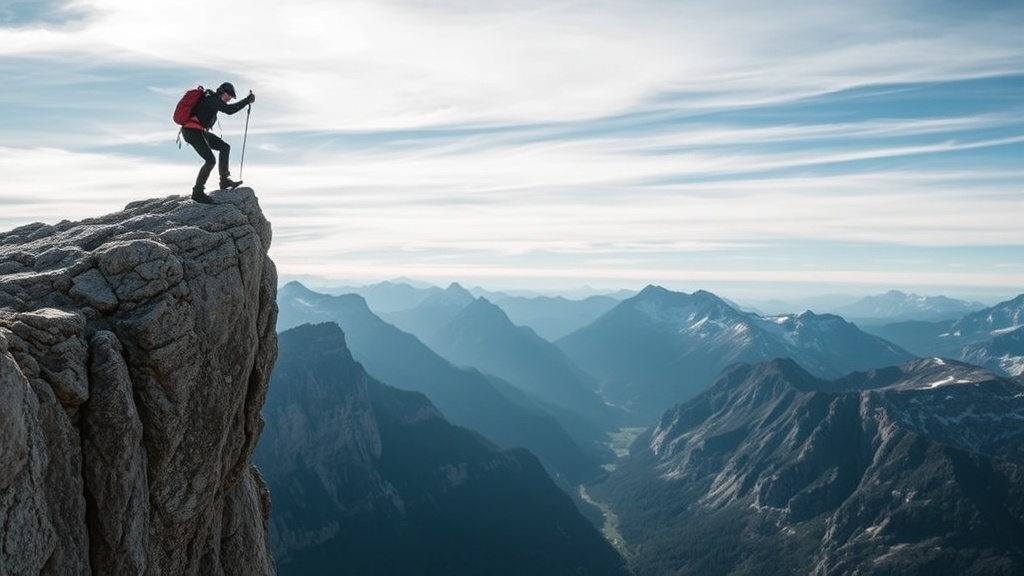
If you want to combine your fear of heights with a sense of immense scale, you need to head toward the mountains. New Zealand is the gold standard here—specifically the Otago region. Places like the Nevis, which I know intimately, offer a sense of isolation that makes the jump feel much more significant. When you're surrounded by massive peaks, the void feels deeper. These high-altitude spots often require more planning because you aren't just booking a jump; you're booking a trek into the wilderness.
When looking for these destinations, check the altitude of the jump site itself. High-altitude jumps often come with thinner air and more unpredictable wind gusts. While the view is breathtaking, the physical sensation of the descent is faster due to the sheer scale of the surrounding topography. For a deep dive into how extreme environments affect human perception, you might find the research at PubMed useful for understanding how altitude impacts your state of mind.
Does the weather change the experience of the jump?
It absolutely does. In the world of adventure travel, weather is the one variable you can't control, no matter how much you prepare. A jump in a bright, sunny valley might feel like a controlled thrill, but a jump in a misty, overcast environment—like the fjords in Norway or certain parts of the Pacific Northwest—adds a layer of psychological weight. The lack of visibility can make the moment of release feel much more chaotic.
You should always look at the local microclimates. A coastal bungee site might be subject to high humidity and salt spray, which affects the gear and the visual clarity of your fall. Mountainous regions are prone to sudden temperature drops and wind-shear. If you're planning an adventure trip around a jump, always build in a two-day buffer. If the wind is too high at the Nevis or any other high-profile site, they won't let you jump, and you don't want to be stuck in a remote area with nothing to do but wait.
How do I find reliable bungee locations in remote areas?
The trick is to look for established operators rather than searching for "scary jumps" on general travel forums. You want companies that are part of recognized safety associations. For example, in New Zealand, the industry is heavily regulated. You can check the standards set by organizations like the Adventure Travel industry leaders to ensure you're looking at legitimate business models. A professional site will have clear documentation on their equipment and their history of successful jumps.
When researching, look for these specific indicators of a high-quality destination:
- Equipment Age and Maintenance: Does the site talk about their gear cycles?
- Local Expert Integration: Do they employ local guides who understand the local weather patterns?
- Accessibility: Is the site easily reached by transport, or are you truly in the wild?
- Varied Drop Types: Do they offer different styles like the regular jump, the reverse, or the water jump?
A destination that offers multiple styles of jumping usually means they have a more diverse set of equipment and more experienced staff. If you're a seasoned jumper, you might want a site that offers a "reverse bungee"—where you are pulled back up toward the platform—as this provides a different kind of physical sensation. It's a much more intense way to experience the tension of the cord.
Ultimately, your choice of destination should be a balance between the thrill of the drop and the logistics of the journey. If you want a social atmosphere, look for hubs like Queenstown where the jump is part of a larger adventure circuit. If you want a solitary, almost spiritual experience, look for the more remote, high-altitude stations. The way you prepare your itinerary determines whether the jump is just a quick adrenaline hit or a life-changing moment of courage.