Eco‑Friendly Spring Cleaning Made Simple – Fresh Home Tips

Eco‑Friendly Spring Cleaning Made Simple – Fresh Home Tips
Hook: Ever wonder why the fresh mountain air after a jump feels so good? Imagine that same clean, crisp feeling inside every room of your house—without a single toxic chemical in sight.
Context: Spring is the perfect time to shake off winter’s dust, but the traditional cleaning aisle is packed with harsh chemicals that can linger in the air long after you’ve wiped down the counters. In 2026, experts are warning that reducing household toxins is a cornerstone of an age‑defying, healthy lifestyle. Below is my go‑to, room‑by‑room checklist for making your own non‑toxic cleaners from pantry staples, plus tips to keep the toxin‑free vibe year‑round.
What are the biggest toxins lurking in my home?
Even if you’ve never bought a commercial cleaner, you may still be exposing yourself to:
- Volatile organic compounds (VOCs) from aerosol sprays.
- Phthalates and parabens hidden in scented products.
- Bleach residues that can react with ammonia to create dangerous fumes.
According to the EPA’s green‑cleaning guide, swapping these out for simple, natural ingredients can cut indoor air pollutants by up to 30 %.
Which pantry staples can replace harsh chemicals?
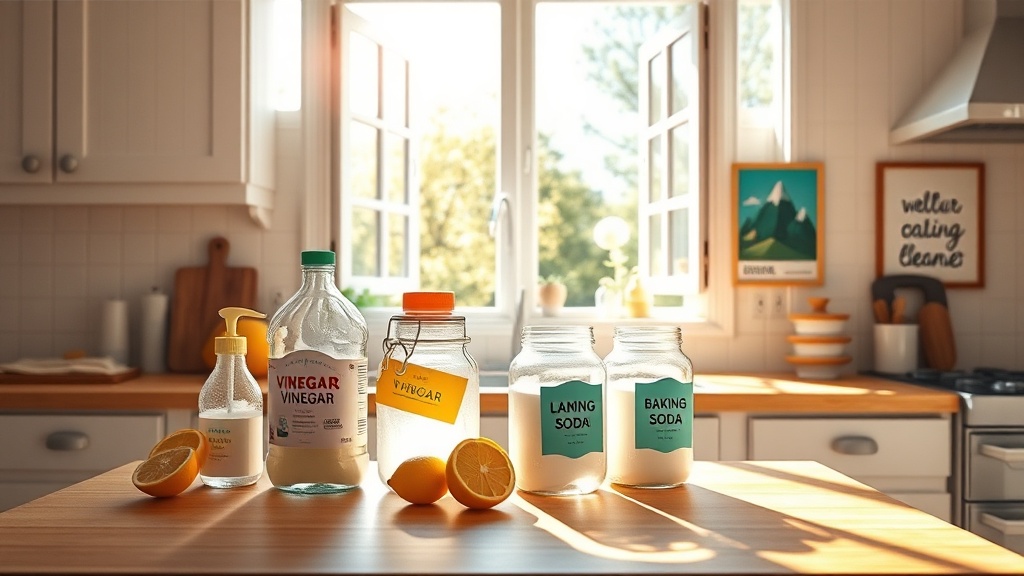
Here’s the adventure‑ready stash you probably already have:
- White vinegar – a mild acid that cuts grease and dissolves mineral deposits.
- Baking soda – a gentle abrasive and deodorizer.
- Lemon juice – natural citrus acid and fresh scent.
- Castile soap (unscented) – a plant‑based surfactant for sudsy power.
- Essential oils (e.g., tea tree, lavender) – antimicrobial boost and fragrance.
All of these are EWG‑approved for low toxicity.
How do I make an all‑purpose cleaner?
Mix 1 cup white vinegar, 1 cup water, 1 tbsp baking soda, and a few drops of your favorite essential oil. Pour into a spray bottle and you’ve got a spritz‑ready surface cleaner that tackles countertops, tiles, and even glass without leaving streaks.
What’s the best way to clean the kitchen?
Kitchen grime loves the corners. Follow this quick routine:
- Degrease the stovetop: Sprinkle baking soda on the surface, spray with vinegar, let fizz for 5 minutes, then wipe clean.
- Sanitize cutting boards: Rub half a lemon over the board, let sit 2 minutes, rinse.
- Freshen the fridge: Place an open box of baking soda on a shelf; replace every 3 months.
For deeper appliance cleaning, check out my post on sustainable gear trends—the same principles of durability apply to home tools.
How can I tackle the bathroom without toxic scrubs?
Bathrooms are breeding grounds for mold and soap scum. Try this two‑step combo:
- Shower walls: Spray equal parts vinegar and water, let sit 15 minutes, then scrub with a vinegar‑soaked sponge.
- Toilet bowl: Sprinkle baking soda inside, add 1 cup vinegar, let fizz, then brush.
The natural acidity of vinegar kills 99 % of common bathroom bacteria, according to Harvard Health.
How do I keep my living space organized and fresh?
Cleaning is easier when clutter isn’t in the way. Adopt a simple “one‑in, one‑out” rule for new items, and set a 10‑minute nightly tidy‑up timer. For inspiration on turning small spaces green, see my guide to balcony gardening—the same mindset of using what you have applies to cleaning too.
How can I maintain a toxin‑free home year‑round?
Spring is the launchpad, but the habit sticks when you:
- Rotate natural cleaners every month to avoid scent fatigue.
- Ventilate rooms after each cleaning session—open windows for at least 15 minutes.
- Swap out synthetic air fresheners for a bowl of dried citrus or a few drops of essential oil on a cotton ball.
Remember, the goal isn’t perfection; it’s progress. Each small swap adds up to a healthier indoor environment—just like swapping out a standard bungee cord for a newer, smarter, sustainable model before a jump.
Takeaway
Spring cleaning doesn’t have to be a chemical battlefield. Grab a bottle of vinegar, a box of baking soda, and a few lemons, then follow the room‑by‑room checklist above. You’ll end up with a fresher home, clearer lungs, and the same rush of satisfaction you feel after a perfect jump. Trust the cord. Send it—into a cleaner, greener home.