How to Evaluate if a Bungee Jumping Operator is Safe

There is a massive difference between a calculated risk and a stupid gamble. When you stand on the edge of a bridge, ready to throw yourself into the void, you are placing your life entirely in the hands of the bungee operator. You need to know, without a shadow of a doubt, that the crew behind you is running a flawless operation.
As a jump master who has worked the Nevis Bungy and logged over 400 jumps around the world, I've seen the best in the business, and I've heard horror stories about the worst. In New Zealand, the industry is heavily regulated, but if you are traveling globally, the standards can vary wildly.
You need to know how to spot a professional outfit versus a fly-by-night operation. Here is the no-BS guide on how to evaluate if a bungee jumping operator is safe before you hand over your money.
What Certifications and Licenses Should an Operator Have?
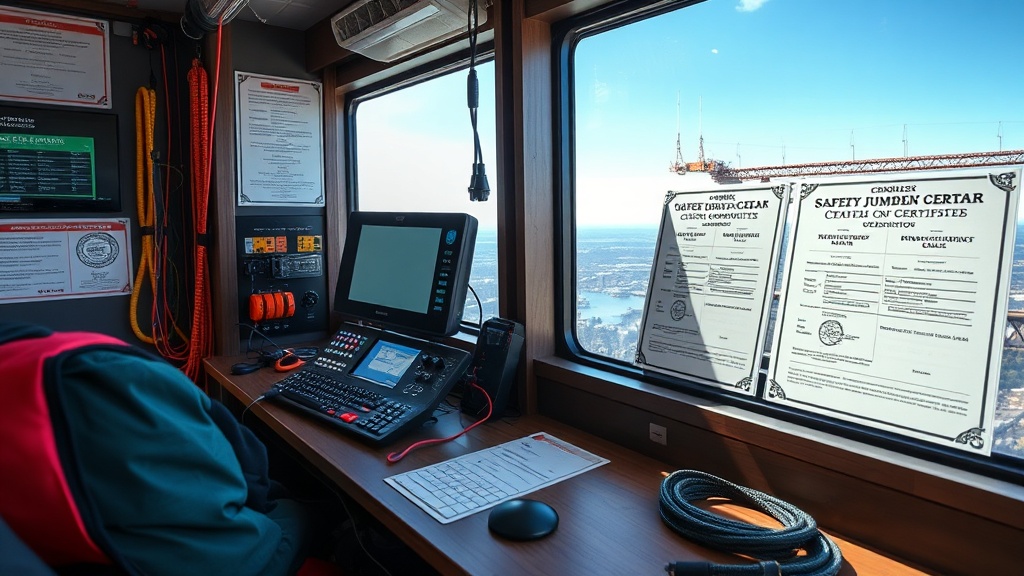
The very first thing you should look for is official recognition from governing bodies. A legitimate operator will proudly display their credentials.
How Do You Verify Adventure Tourism Standards?
In New Zealand, operators must be registered and audited under the Adventure Activities Regulations. They must pass stringent safety audits by recognized independent bodies. When you look at an operator's website or visit their site, look for official safety certifications. If they aren't registered with the national or regional safety authority, walk away immediately.
If you are jumping internationally, look for affiliations with recognized global standards organizations or proof of regular, independent safety audits. A good operator is completely transparent about their safety record and their regulatory compliance.
How Do You Evaluate the Jump Crew?
The equipment is only as good as the people operating it. You can learn a lot by simply standing back and watching the jump masters work before you buy a ticket.
What Does a Professional Safety Check Look Like?
Watch the gearing-up process. You should see a strict dual-check system in place. This means one staff member fits the harness and secures the jumper, and a completely different staff member visually and physically checks every single carabiner, strap, and connection point before the jumper is allowed near the edge.
If you see a single person rushing through the checks, or if the crew looks distracted, chatting on their phones, or disorganized, do not jump. Professional jump crews operate with military-like precision. The communication should be clear, concise, and focused entirely on the jumper.
How Do They Handle the Weigh-In?
Weight is the most critical variable in bungee jumping. A safe operator will rigorously weigh every single jumper on calibrated scales. They will document that weight and communicate it clearly to the jump masters selecting the cord. If an operator asks you to guess your weight, or if they just "eyeball" it, they are incompetent and dangerous. Leave immediately.
What Should You Look For in the Equipment?
You don't need to be a rigging expert to spot poorly maintained gear.
How Do You Spot Wear and Tear?
Look at the harnesses, the webbing, and the carabiners. While they might look slightly worn from daily use, there should be no severe fraying, no cracked plastic, and the metal carabiners should snap shut cleanly and lock securely.
A professional outfit retires gear long before it shows signs of catastrophic wear. They also log the usage of every single bungee cord and retire them after a strictly defined number of jumps, regardless of how they look. If the gear looks like it’s been dragged behind a truck for ten years, your life is not worth the discount.
Are Redundant Systems in Place?
Never trust your life to a single point of failure. Modern commercial bungee jumping is built entirely around redundancy.
What is a Secondary Backup System?
When you jump, you should have a primary attachment (usually the ankle ties) and a completely separate secondary attachment (a waist or chest harness). The bungee cord system should be tethered to both. If the ankle wrap slips, the waist harness catches you.
Furthermore, look at the anchor points on the bridge or platform. The bungee cord should never be tied to just one anchor. There should be primary and secondary load-bearing anchors. If you only see one line tying the jumper to the bridge, the operator is cutting corners on the most fundamental safety principle of the sport.
The Takeaway
Your life is not worth saving fifty bucks on a sketchy jump. Evaluate the operator ruthlessly. Look for certifications, watch the crew's discipline, inspect the gear with your own eyes, and demand redundant safety systems.
If an operator meets all these criteria—like the legendary setups we run here in New Zealand—then you can step onto the platform with confidence. Let the professionals handle the math, and you can focus entirely on the drop.
For a look at what a world-class operation feels like from the inside, read my Kawarau Bridge deep dive.