
How to Go Bungee Jumping for the First Time Without Regret

Your first bungee jump isn’t just another activity—it’s a controlled confrontation with fear, gravity, and your own instincts. Done right, it becomes one of the most vivid memories you’ll ever create. Done poorly, it can feel rushed, confusing, or even unsafe. This guide walks you through exactly how to prepare, what to expect, and how to turn that moment on the edge into something unforgettable.
Step 1: Choose the Right Jump Location

Not all bungee jumps are equal. Some are quick roadside setups; others are world-famous icons suspended over deep gorges or roaring rivers. Your first jump should balance safety, professionalism, and scenery.
Look for operators with strong safety records, international certifications, and clear procedures. Countries like New Zealand, Switzerland, and South Africa have highly regulated operators, while many destinations worldwide maintain excellent standards—if you do your homework.
Height matters less than you think. A 40-meter jump can feel just as intense as 100 meters if the environment is dramatic. Focus on the overall experience rather than chasing the tallest drop.
Step 2: Book With a Reputable Operator
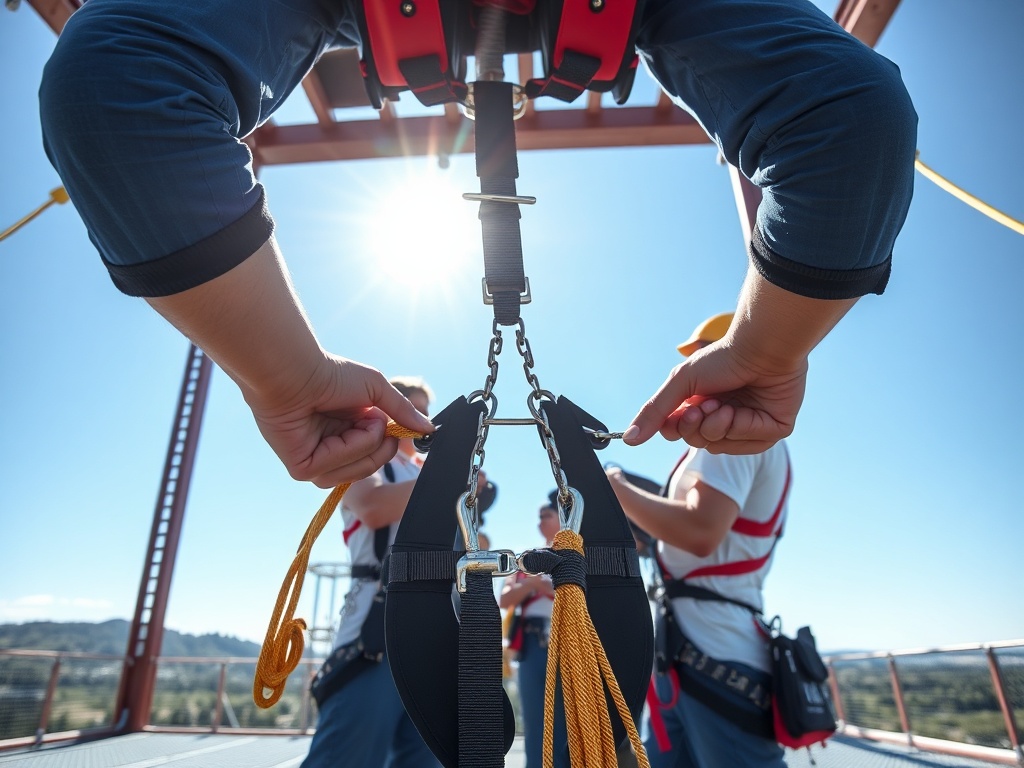
A reputable operator will be transparent about their safety protocols, equipment checks, and staff training. If you can’t easily find this information, that’s a red flag.
- Check recent reviews, not just overall ratings
- Confirm weight limits and health restrictions
- Ask about backup systems and inspection frequency
Professional operators walk you through every step. If the process feels rushed or unclear, pause and ask questions.
Step 3: Prepare Mentally (This Matters More Than Fitness)

The hardest part of bungee jumping is not physical—it’s psychological. Your brain is wired to avoid stepping off edges, and it will resist, even if you consciously want to jump.
Visualize the sequence: standing at the edge, hearing the countdown, leaning forward, and committing. This mental rehearsal reduces hesitation.
Accept that fear is part of the experience. You’re not trying to eliminate it—you’re learning to move through it.
Step 4: Dress Smart and Secure Everything

Wear comfortable, athletic clothing that won’t restrict movement. Avoid loose items—anything not attached to you can fall during the jump.
- Tie your shoes tightly
- Remove sunglasses, hats, and unsecured accessories
- Use operator-approved mounts if bringing a camera
Most operators provide lockers or secure storage. Take advantage of them.
Step 5: Understand the Safety Briefing
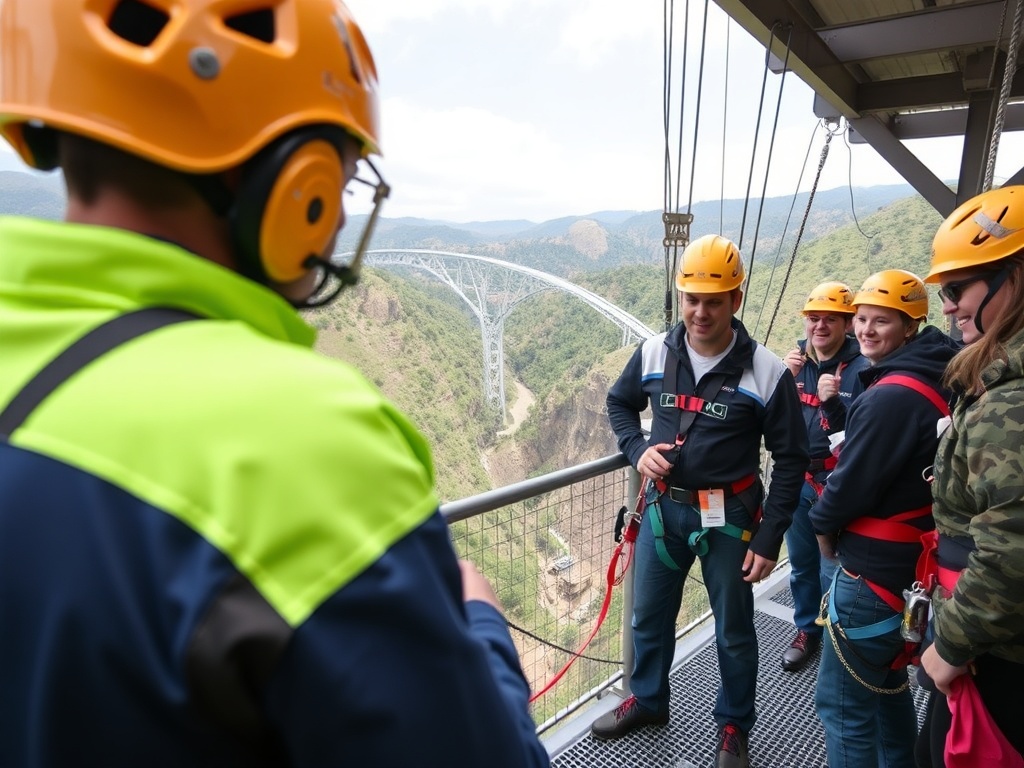
Pay attention during the briefing. This is not filler—it’s critical information about how your jump will work.
You’ll learn about:
- How the harness or ankle straps are secured
- What position to jump in
- How the countdown works
- What happens after the bounce
If anything is unclear, ask. Confidence comes from understanding the system.
Step 6: Commit to the Jump (Hesitation Is the Hardest Part)

When you reach the edge, your instincts will try to hold you back. This is where most people struggle.
The key is commitment. Don’t inch forward or try to “test” the edge. When the operator counts down, lean forward decisively and go. A clean jump feels smoother and more controlled than a hesitant one.
Many first-timers find that the anticipation is worse than the jump itself.
Step 7: Enjoy the Freefall and Rebound

The moment after you jump is surprisingly quiet. There’s a brief sensation of falling, then the cord engages and transforms that drop into a powerful rebound.
Let your body relax. Tension can make the experience feel harsher than it is. The rebound is part of the thrill—embrace it rather than bracing against it.
This is the moment you’ll remember most: suspended between sky and ground, fully present.
Step 8: Recovery and Reflection

After the jump, you’ll be lowered or guided back to a platform. Take a moment to absorb what you just did.
Adrenaline often gives way to a mix of relief, excitement, and a surprising calm. Many people immediately want to go again—not because it’s less scary, but because they now understand it.
If photos or videos are available, review them later. They capture a perspective you can’t fully process in the moment.
Common Mistakes First-Timers Make

- Overthinking at the edge: leads to hesitation and a less smooth jump
- Ignoring safety briefings: reduces confidence and awareness
- Choosing the cheapest option: can compromise quality and professionalism
- Bringing loose items: results in lost belongings
What It Actually Feels Like

Bungee jumping doesn’t feel like falling off a building. It’s closer to a controlled dive followed by a powerful elastic pull. The fear peaks before the jump—not during it.
The sensory experience is intense but brief: wind, speed, then a sudden shift as the cord catches. After that, it becomes almost playful as you bounce and spin slightly.
Final Thoughts: Why It’s Worth Doing Once

Bungee jumping compresses fear, trust, and exhilaration into a single moment. It’s not about proving bravery—it’s about experiencing something your instincts normally forbid.
If you prepare properly, choose a professional operator, and commit fully, your first jump becomes less about fear and more about clarity. You step off, and for a few seconds, everything simplifies.
That’s why people remember it for years—and why many come back for a second jump sooner than they expected.
Steps
- 1
Choose the Right Jump Location
- 2
Book With a Reputable Operator
- 3
Prepare Mentally
- 4
Dress Smart and Secure Everything
- 5
Understand the Safety Briefing
- 6
Commit to the Jump
- 7
Enjoy the Freefall and Rebound
- 8
Recovery and Reflection