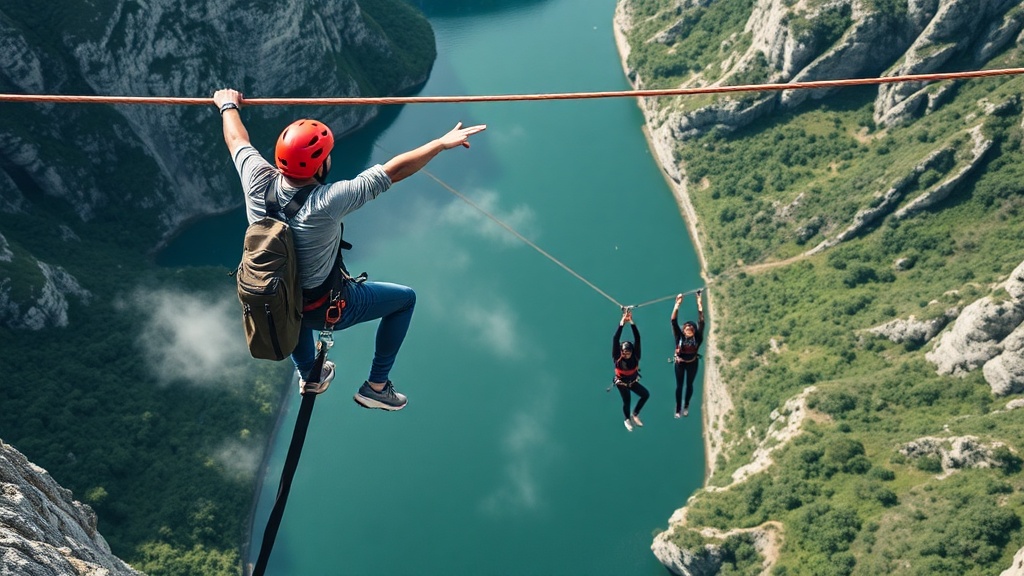
How to Prepare for Your First Bungee Jump: A Complete Step-by-Step Guide

Your first bungee jump is equal parts adrenaline, fear, and curiosity. Standing at the edge, looking down, your brain will try to convince you not to do it. That’s normal. The difference between a terrifying experience and an unforgettable one comes down to preparation. This guide walks you through every step—from booking to the moment you leap—so you show up confident instead of overwhelmed.
Step 1: Choose the Right Bungee Jump Location

Not all bungee jumps feel the same. Some are scenic and smooth, others are intense and heart-racing. Your first jump should balance safety, professionalism, and environment.
Look for operators with strong safety records, certified equipment, and experienced crews. Popular destinations like Queenstown, Interlaken, and Victoria Falls are known for well-run operations, but smaller regional jumps can be just as good if properly certified.
Consider height as well. A 40–60 meter jump is ideal for beginners. It’s high enough to deliver the thrill without being overwhelming.
Step 2: Understand the Safety Systems
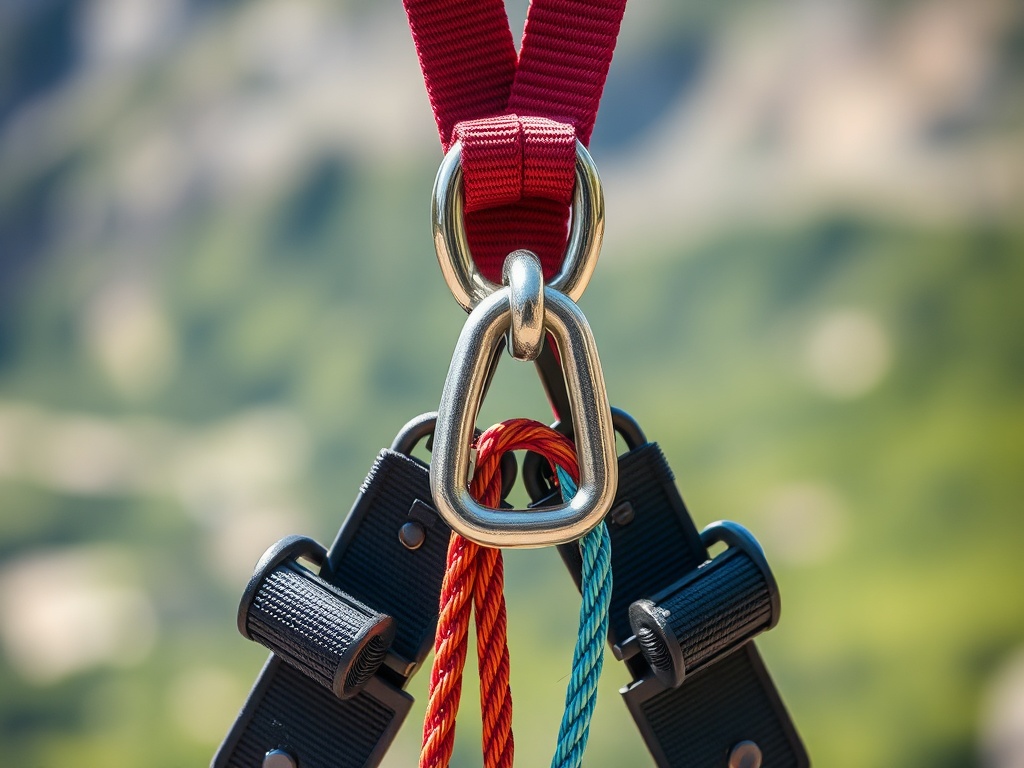
Confidence starts with understanding how you’re kept safe. Modern bungee jumping relies on redundancy—multiple systems working together.
- Primary cord: The elastic rope designed to stretch and rebound.
- Harness or ankle attachment: Secures you to the cord.
- Backup systems: Additional connections in case of failure.
Reputable operators check equipment continuously. Don’t hesitate to ask questions. Seeing the process up close often reduces anxiety significantly.
Step 3: Check Physical and Mental Readiness

Bungee jumping is accessible to most people, but there are limits. You’ll need to meet weight requirements (usually 40–120 kg depending on the operator) and be in generally good health.
Avoid jumping if you have heart conditions, severe anxiety disorders, or recent injuries. If in doubt, consult a professional.
Mental readiness matters just as much. Fear is expected—but panic is different. If the idea completely overwhelms you, it’s better to wait than force it.
Step 4: Book Smart and Plan Ahead

Booking ahead gives you flexibility and peace of mind. Early morning slots are ideal—the weather is calmer, and you won’t spend all day building anticipation.
Check cancellation policies, weather conditions, and what’s included (photos, videos, transportation). Some operators offer tandem jumps or different styles—consider what fits your comfort level.
Step 5: Dress for the Jump
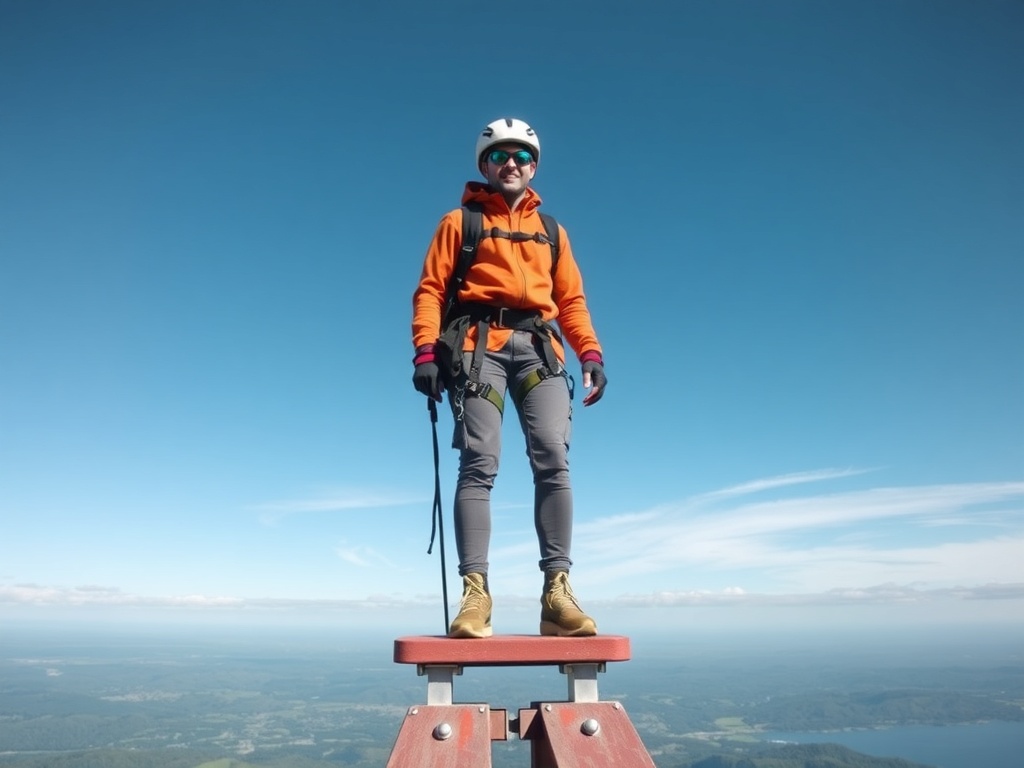
Your outfit matters more than you think. Wear comfortable athletic clothing that won’t restrict movement.
- Secure shoes (no flip-flops)
- No loose accessories
- Hair tied back if long
You’ll likely be upside down at some point. Anything loose can become a distraction or hazard.
Step 6: Arrive Early and Observe
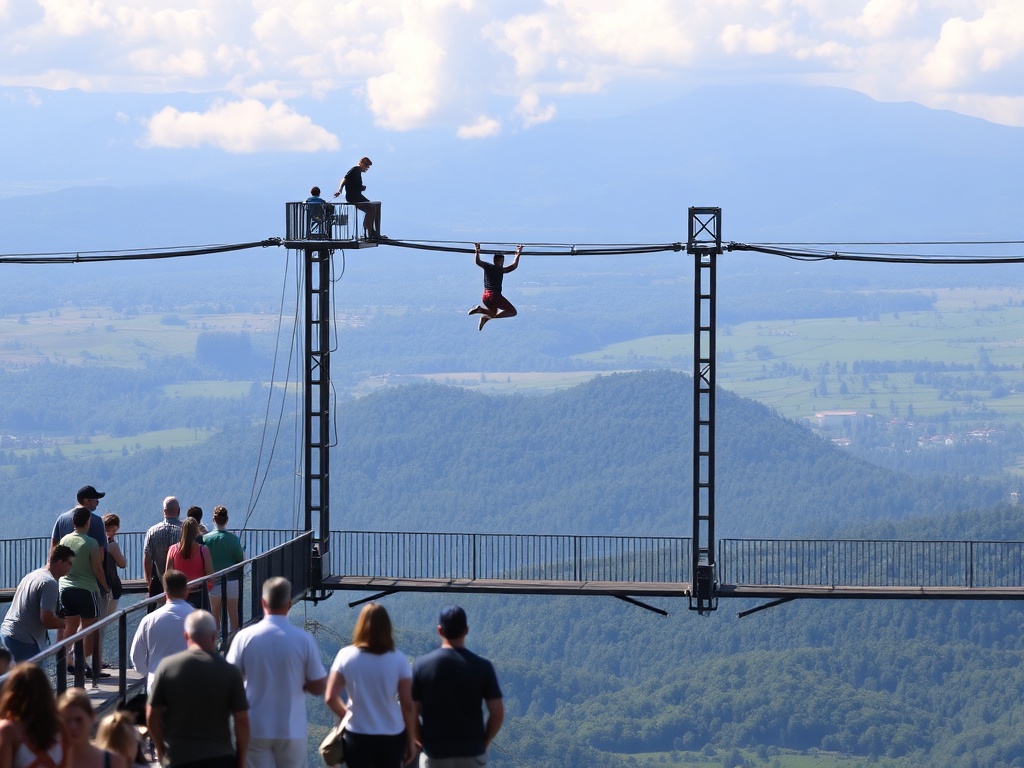
Arriving early gives you time to acclimate. Watch a few jumps. Notice how people react before and after—they’re nervous at the top and ecstatic at the bottom.
Observing the process helps normalize the experience. You’ll see the professionalism of the crew and understand exactly what will happen.
Step 7: Listen Carefully to Instructions
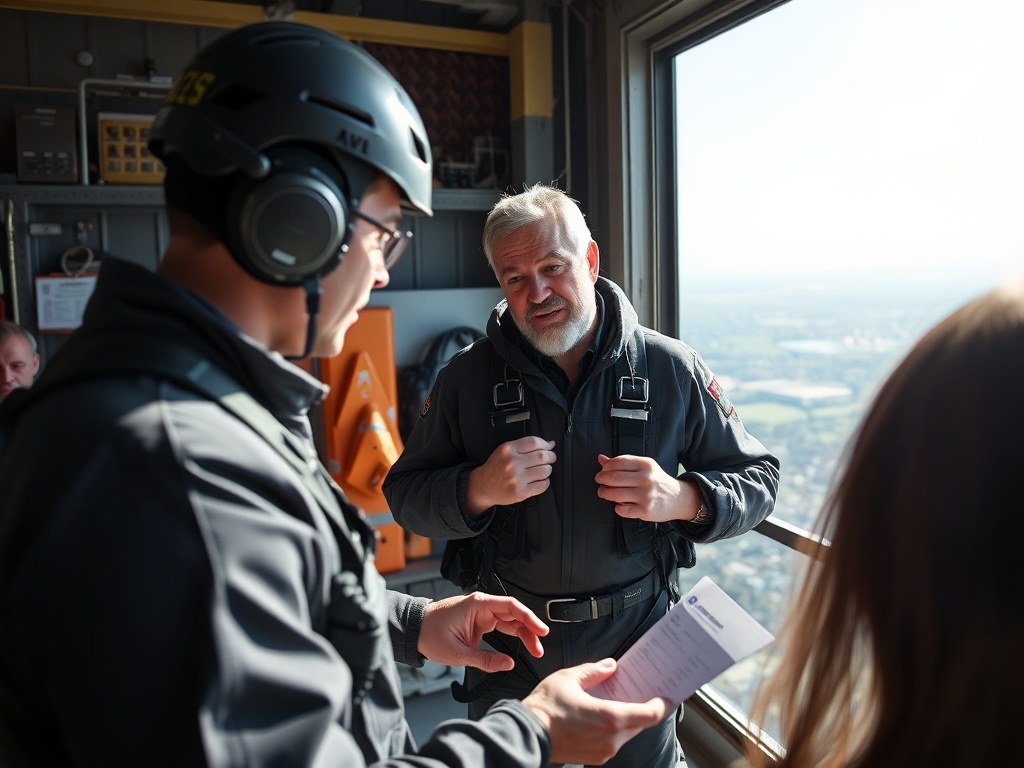
When it’s your turn, the staff will walk you through everything. Pay attention. This is not the moment to zone out.
They’ll explain body position, countdown timing, and what to do during the jump. Following instructions ensures a smoother, more controlled experience.
Step 8: Master the Jump Technique
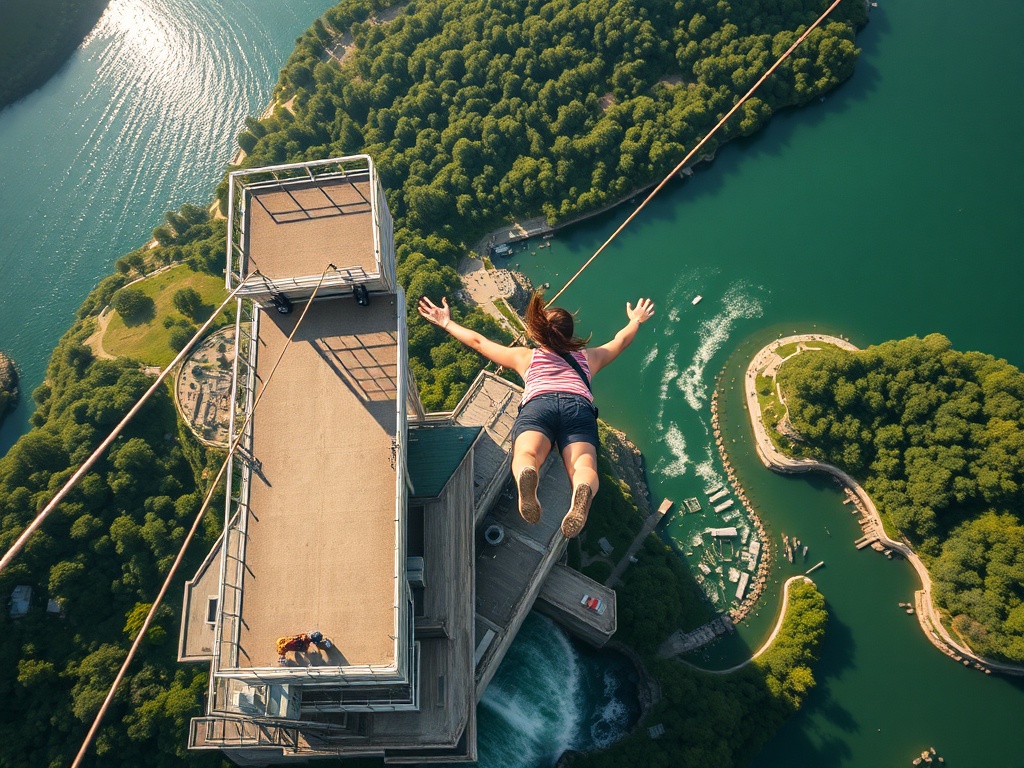
The biggest mistake beginners make is hesitating or stepping off awkwardly. A clean jump makes a huge difference.
Here’s the technique:
- Stand tall with toes at the edge
- Look forward, not down
- Lean into the jump, don’t crouch
- Dive forward confidently
The goal is a smooth arc, not a drop. Commit fully—half-measures create more discomfort.
Step 9: Control Your Mind at the Edge

This is the hardest part. Your instincts will tell you to step back. The key is to override hesitation with a simple mental cue.
Use a short phrase: “3, 2, 1, go.” Don’t negotiate with yourself. The longer you stand there, the harder it gets.
Trust the process you’ve prepared for.
Step 10: Enjoy the Freefall and Rebound

The first seconds are pure intensity—wind, speed, and silence. Then the cord catches, and you rebound upward.
Many first-time jumpers say this is when the fear disappears and turns into exhilaration. Let yourself experience it fully instead of bracing against it.
Step 11: Post-Jump Recovery and Reflection
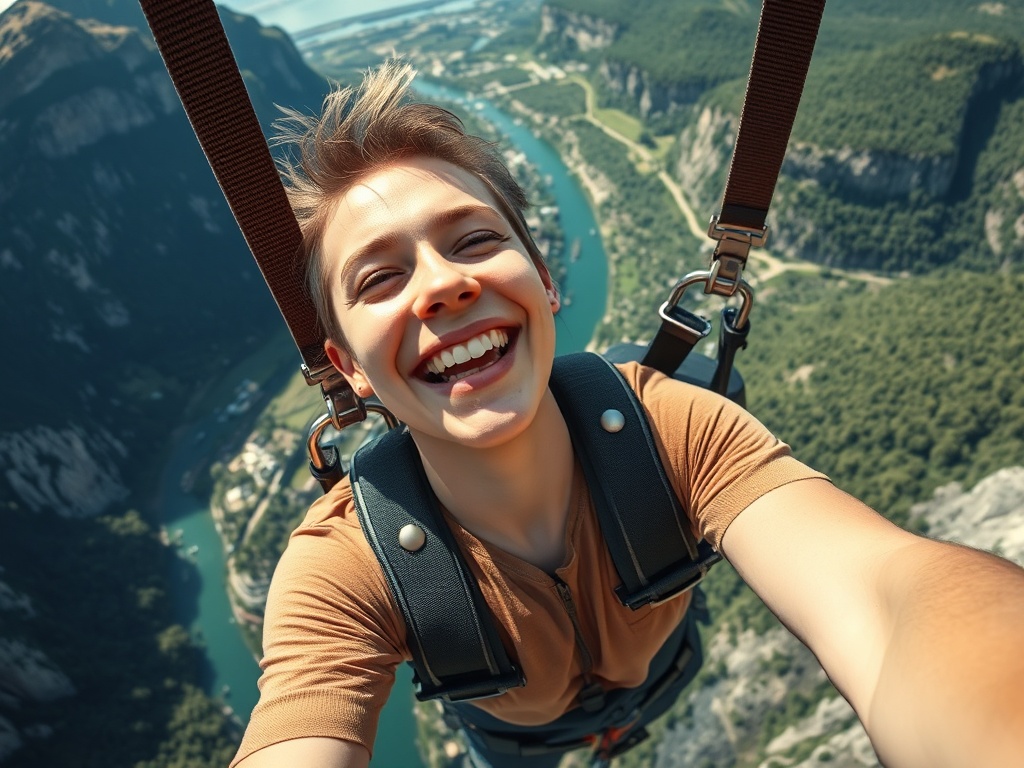
Once you’re back on solid ground, take a moment. Your body will be flooded with adrenaline.
Walk around, hydrate, and process what just happened. Most people feel an immediate sense of accomplishment—and often want to go again.
Step 12: Capture and Share the Experience
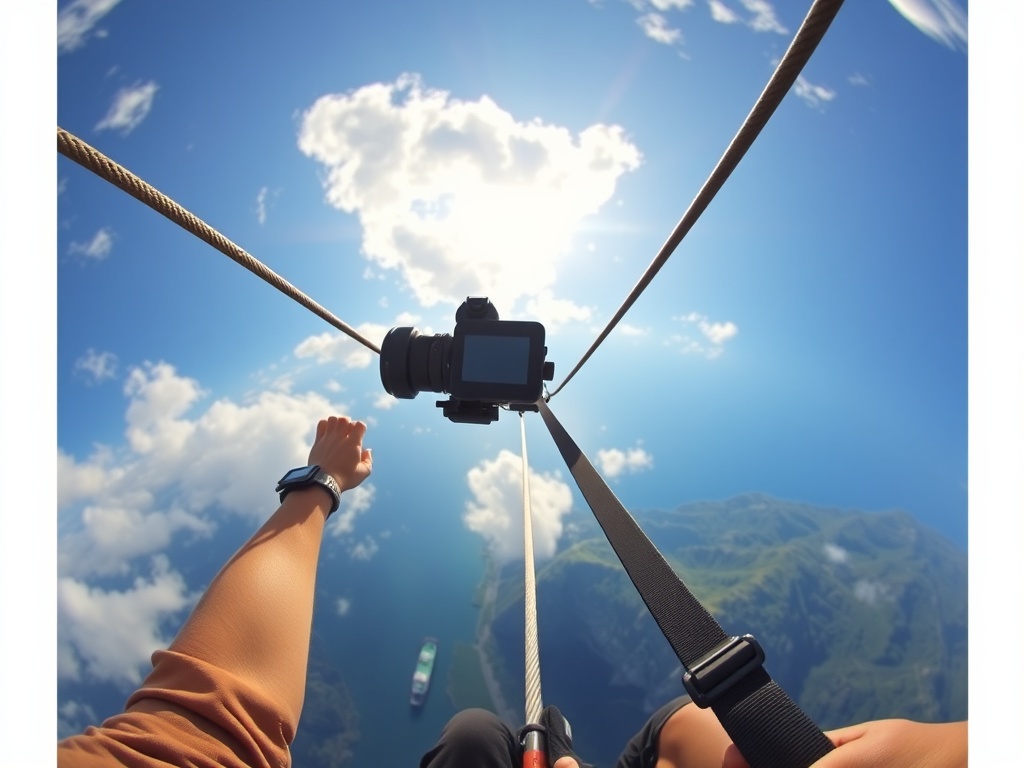
Photos and videos are worth it. They capture a perspective you won’t fully remember in the moment.
Beyond social sharing, they serve as proof to yourself that you pushed past a real fear.
Final Thoughts
Your first bungee jump is less about bravery and more about preparation. When you understand the process, trust the equipment, and commit fully, the fear becomes manageable—and the reward becomes unforgettable.
You don’t eliminate fear. You step through it.