
How to Prepare for Your First Bungee Jump: A Practical, No-Nonsense Guide

Your first bungee jump isn’t just another activity—it’s a controlled confrontation with fear. The difference between a chaotic, nerve-wracking experience and one you’ll want to repeat comes down to preparation. This guide walks you through exactly how to get ready, physically and mentally, so you show up confident, informed, and ready to step off the edge.
Step 1: Choose the Right Jump Location
Not all bungee jumps are created equal. Some are designed for first-timers with moderate heights and highly controlled environments, while others are built for seasoned thrill-seekers chasing extreme drops.
Look for operators with strong safety records, certified equipment, and experienced staff. Places like Queenstown (New Zealand), Interlaken (Switzerland), and Whistler (Canada) are known for balancing adrenaline with professionalism.
- Check independent reviews—not just website testimonials
- Confirm certifications and safety standards
- Understand the jump height and style (bridge, crane, platform)

Step 2: Understand the Safety Systems
Fear often comes from uncertainty. The more you understand how bungee systems work, the calmer you’ll feel.
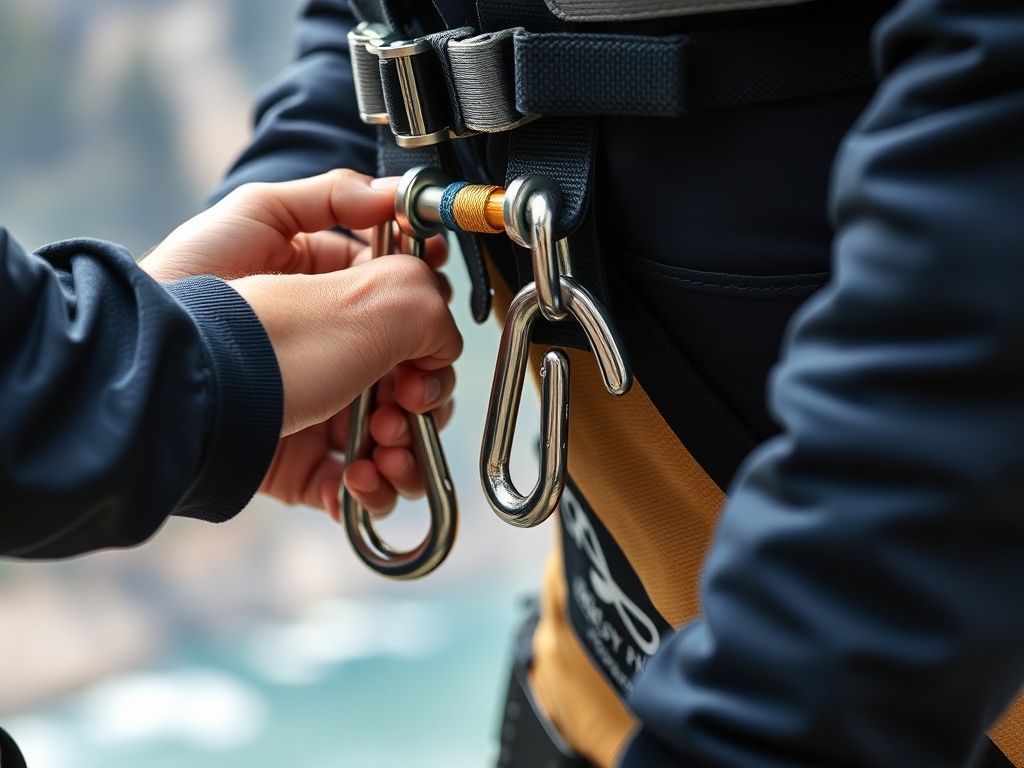
Modern bungee cords are designed with multiple layers of redundancy. Harnesses are double-checked, and professional operators follow strict protocols before every jump.
- Ankle harness vs. full-body harness (ask which you’ll use)
- Backup connections are standard
- Weight calibration ensures proper rebound
If something feels unclear, ask. Good operators expect questions and will walk you through every detail.
Step 3: Get Comfortable With the Height (Before You Jump)
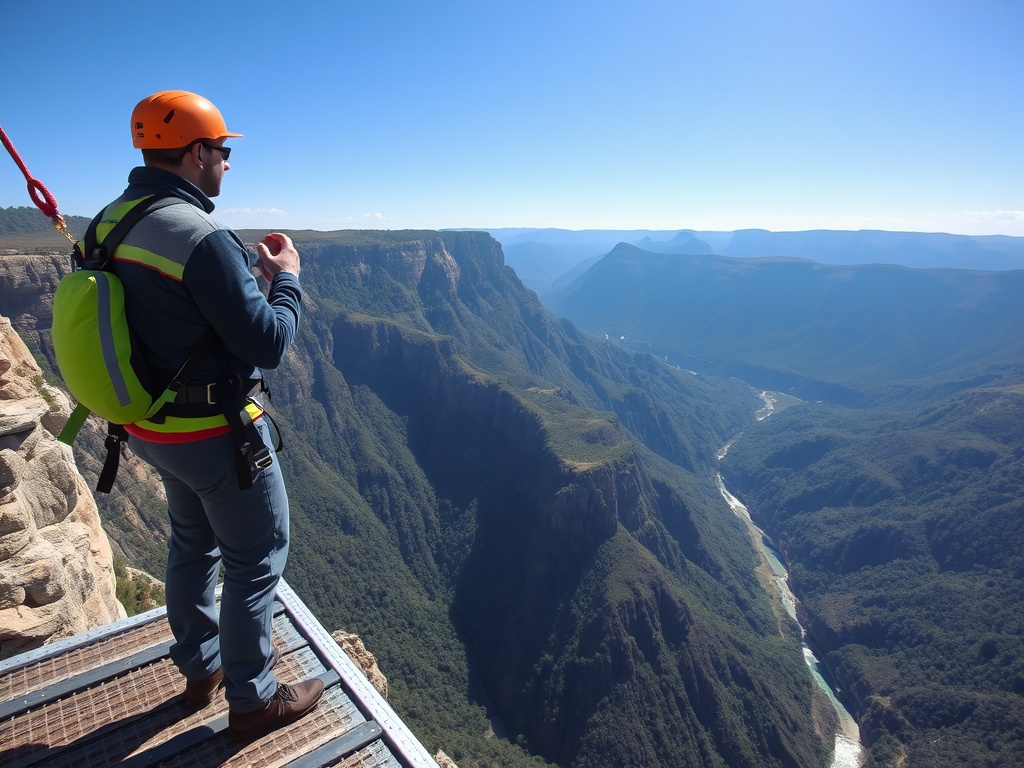
Standing on the edge is often harder than the jump itself. If you’re not used to heights, expose yourself gradually before your trip.
Try observation decks, cliffs with railings, or even indoor climbing gyms. The goal isn’t to eliminate fear—it’s to make it familiar enough that it doesn’t paralyze you.
When you arrive at the jump site, take a few minutes to observe others. Watch how quickly the jump is over. That perspective matters.

Step 4: Prepare Your Body (It Matters More Than You Think)
You don’t need to be an athlete, but your body should be ready for the sudden drop and rebound.
- Get a full night’s sleep
- Eat light—avoid heavy or greasy meals
- Stay hydrated, but don’t overdo it right before jumping
If you have neck, back, or joint issues, consult a professional beforehand. The forces involved are safe when managed properly, but they’re still real.

Step 5: Master the Mental Game
This is where most first-timers struggle. Your brain will try to negotiate its way out of the jump right up until the countdown.
Use a simple strategy: decide before you arrive that you will jump. Remove the decision from the moment itself.
Breathing techniques help:
- Inhale slowly for 4 seconds
- Hold for 4 seconds
- Exhale for 6 seconds
Focus on the process, not the outcome. Step forward when told. Don’t overthink the drop.

Step 6: Know What to Wear (and What to Leave Behind)
Loose items and poor clothing choices can ruin the experience—or worse, create safety issues.
- Wear secure, comfortable clothing
- Choose closed-toe shoes with good grip
- Remove jewelry, phones, and anything that can fall
Many operators provide lockers or secure storage. Use them.

Step 7: Listen to the Crew (They’ve Seen Everything)
By the time you reach the platform, your job is simple: follow instructions exactly.
The crew will guide your stance, posture, and timing. Trust them. Hesitation is the biggest obstacle, not danger.
When they say jump, don’t pause. The cleanest jumps happen when you commit fully in one motion.
Step 8: Execute the Jump
This is the moment everything builds toward. The countdown starts, and your instincts will push back hard.
Ignore the urge to hesitate. Lean forward and commit. A clean dive or step-off is far better than a half-hearted drop.
The freefall lasts only a few seconds, but it will feel longer. Then comes the rebound—smooth, controlled, and surprisingly enjoyable.

Step 9: Recover and Take It In
Once you’re done, give yourself a moment. Your adrenaline will spike, your hands might shake, and your brain will try to process what just happened.
This is the payoff. The fear you felt at the top transforms into a sharp, clear sense of accomplishment.
Stick around and watch others jump. It reinforces just how manageable the experience really is.
Step 10: Decide What’s Next
Many first-time jumpers say “never again” right after landing—and then book another jump within days.
If you enjoyed it, consider:
- Trying a higher jump
- Switching to a different style (backward, tandem, or water touch)
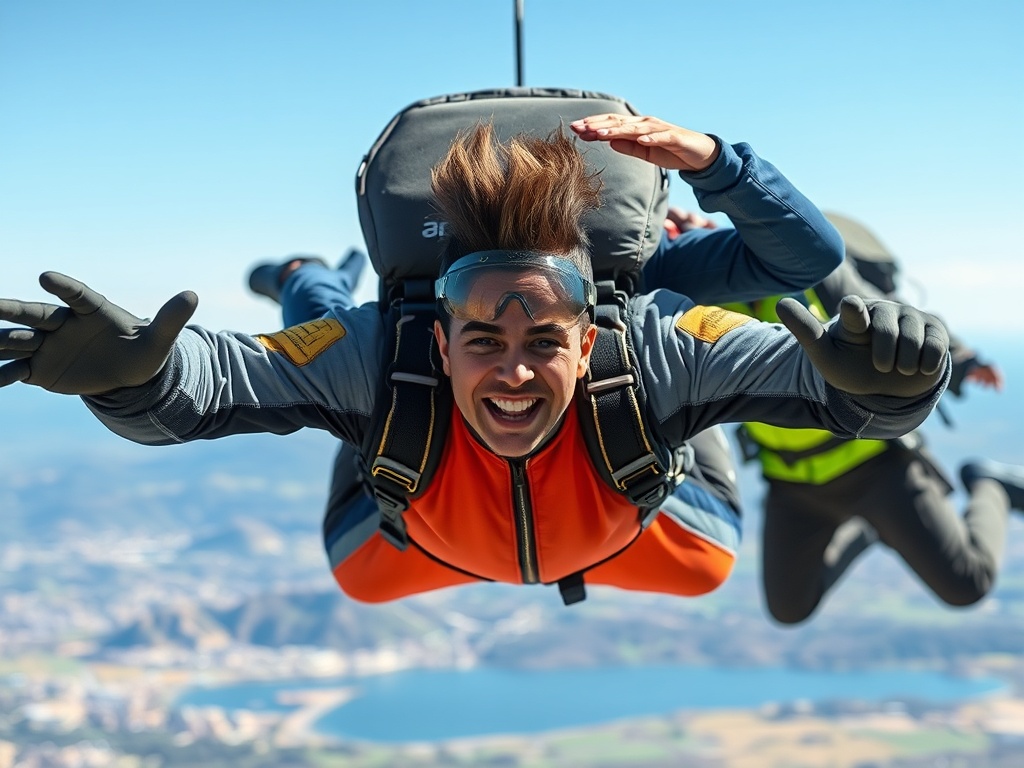
- Exploring other adrenaline activities like skydiving or canyon swings
Bungee jumping has a way of resetting your tolerance for fear. What seemed impossible becomes manageable very quickly.

Final Thoughts
Your first bungee jump is less about courage and more about preparation. When you understand the process, trust the equipment, and commit in the moment, the experience shifts from terrifying to exhilarating.
Do the groundwork, show up ready, and take the step. The hardest part isn’t the fall—it’s deciding to jump.
Steps
- 1
Choose the Right Jump Location
- 2
Understand the Safety Systems
- 3
Get Comfortable With the Height
- 4
Prepare Your Body
- 5
Master the Mental Game
- 6
Know What to Wear
- 7
Listen to the Crew
- 8
Execute the Jump
- 9
Recover and Take It In
- 10
Decide What’s Next