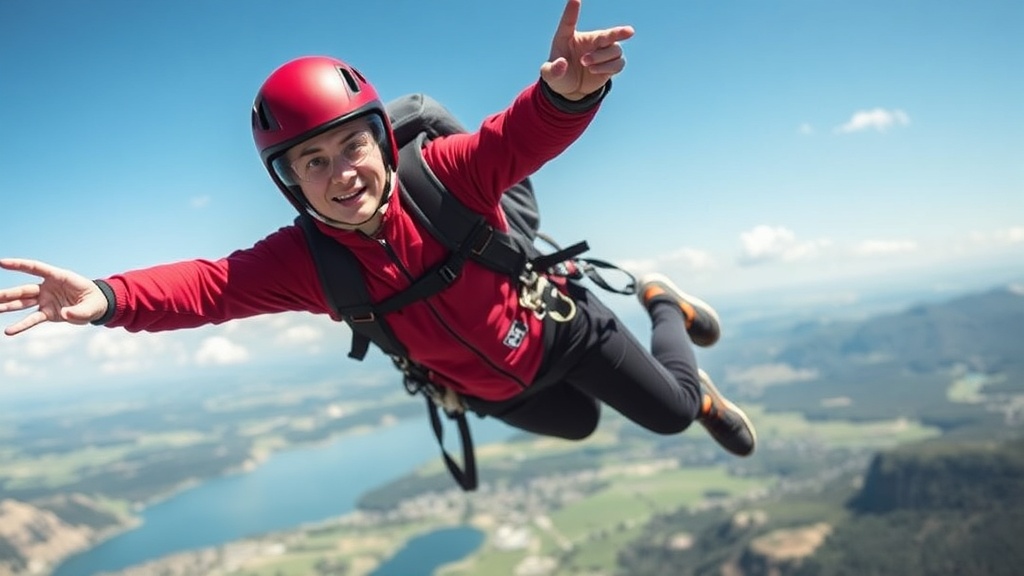
How to Prepare for Your First Bungee Jump Experience

The Edge of the Platform: Why Preparation Matters
Standing on the edge of the Nevis Highwire Platform, 134 meters above the canyon floor, my heart still hammers against my ribs. After 400-plus jumps across New Zealand, Switzerland, South Africa, and beyond, that rush never disappears. That's the secret nobody tells you: the fear doesn't go away—you just learn to dance with it.
If you're reading this, you're likely standing at your own precipice. Not the physical one yet, but the mental edge of deciding to take your first bungee jump. Maybe you've booked the jump. Maybe you're still convincing yourself. Either way, preparation separates a terrifying ordeal from the most exhilarating moment of your life. Let's walk through exactly how to get ready.
Selecting the Right Jump for Your First Experience
Not all bungee jumps are created equal, and your first experience shouldn't be the highest or most extreme option available. I've seen eager beginners book the Macau Tower (233 meters) or the Verzasca Dam (220 meters) and spend the night before paralyzed with anxiety.
Start with a reputable operator. AJ Hackett—where I've worked for three years—pioneered commercial bungee jumping and maintains rigorous safety protocols that have become industry standards. Look for operators with:
- ISO safety certifications or equivalent national standards
- Established track records (10+ years of operation)
- Professional jump masters with verifiable credentials
- Regular equipment inspection documentation
- Comprehensive insurance coverage
Choose a moderate height for your first jump. Between 40 to 100 meters offers the full sensory experience without the extended freefall that can trigger panic responses. The Kawarau Bridge in Queenstown (43 meters) remains one of the world's most popular first jumps for good reason—it's high enough to feel legitimate, low enough to process mentally.
Consider the environment. Bridge jumps over water provide psychological comfort. Cantilever jumps over canyons feel more exposed. Tower jumps offer controlled environments but less natural beauty. Think about what will enhance your experience rather than amplify your anxiety.
Physical Preparation: What Your Body Needs
Bungee jumping isn't physically demanding in the traditional sense—you won't be climbing or carrying weight—but your body experiences intense physiological responses. Preparing physically helps you manage those responses rather than being overwhelmed by them.
Cardiovascular Conditioning
When you step onto that platform, your sympathetic nervous system activates. Adrenaline floods your system. Your heart rate can spike from 70 to 180 beats per minute in seconds. While you can't train for that specific spike, general cardiovascular fitness helps your body process the adrenaline efficiently and return to baseline faster.
In the week before your jump, maintain your normal exercise routine but don't overexert. The day before, stick to light activity—walking, gentle stretching. You want your body rested, not depleted.
Neck and Back Awareness
The rebound generates significant G-forces. Most operators use ankle harnesses that create a pendulum effect. Your neck and spine absorb these forces, so if you have pre-existing conditions, consult your physician beforehand.
Do some gentle neck stretches the morning of your jump. Roll your shoulders back, tilt your head side to side. This isn't about flexibility—it's about body awareness. When you're terrified, you tense everything. Consciously relaxing your neck and shoulders prevents the whiplash effect that can cause post-jump soreness.
Substance Restrictions
This isn't negotiable: no alcohol for 24 hours before jumping. No recreational drugs for 72 hours. Most operators conduct breathalyzer tests and reserve the right to refuse intoxicated jumpers. Beyond policy, your coordination and judgment matter. I've seen jumpers disoriented during the rebound because they partied the night before.
Caffeine is personal. A morning coffee won't hurt, but if you're already anxious, additional stimulants amplify jitters. I recommend tapering caffeine intake if you're prone to anxiety.
What to Wear: Practical Advice from the Platform
I've watched jumpers lose shoes, fumble with loose clothing, and discover wardrobe malfunctions at the worst possible moment. Here's exactly what works:
Footwear: Closed-toe shoes with secure lacing. Running shoes are ideal. No sandals, no slip-ons, no boots with metal eyelets that could catch on equipment. Some operators provide footwear, but don't count on it. Tie your laces with double knots.
Clothing: Fitted, comfortable layers. Avoid excessively baggy pants or jackets that could billow and obscure your vision. No scarves, no loose jewelry, no dangling accessories. I've seen a necklace snap during a jump and fly into the river below—imagine if that had hit someone.
Pockets: Empty them completely. Phones, wallets, keys—everything goes in secure storage. The operators provide this, but double-check. A phone dropped from 100 meters becomes a dangerous projectile.
Hair: Long hair gets tied back securely. Low ponytails or braids work best. High buns interfere with the harness. I've watched women with loose hair spend twenty minutes untangling it from the cord after the rebound.
Glasses and contacts: Secure glasses with a strap, or better yet, remove them. Contacts are fine—the wind won't dislodge them during the brief freefall, though some jumpers prefer goggles.
Mental Preparation: The Psychology of the Jump
This is where most first-timers struggle. The physical part is easy. Standing on that platform, looking down, hearing your heartbeat in your ears—that's the challenge.
Understanding the Fear Response
Your brain is designed to prevent you from jumping off high places. That terror you feel? It's your amygdala doing exactly what it evolved to do. The problem is, your rational brain knows the bungee cord will save you, but your primitive brain sees only death.
Acknowledge the fear without fighting it. I tell every nervous first-timer the same thing: being scared means you're paying attention. The jumpers who worry me are the ones who feel nothing. That disconnect suggests they're not processing the reality of what they're doing.
Visualization Techniques
In the days before your jump, spend five minutes daily visualizing the entire sequence. Walk through arriving at the site, getting weighed and harnessed, climbing to the platform, the jump master's countdown, and the leap itself.
But here's the crucial part: visualize the messy middle. See yourself hesitating. Feel your legs shaking. Watch your hands grip the railing. Then visualize moving through that hesitation anyway. Don't imagine a flawless jump—imagine a human jump, where you feel terrified and do it regardless.
The Countdown Commitment
Jump masters use countdowns for a reason. "Three, two, one, bungee!" isn't theatrical—it's psychological. The countdown creates a commitment device. Once you hear "three," your brain shifts from deliberation to action.
Make a pre-commitment. Decide before you reach the platform that you will jump on the first countdown. The second countdown is harder. The third becomes humiliating. I've watched jumpers psyche themselves out through multiple countdowns until they walk away defeated.
Safety Protocols: Knowledge Eliminates Anxiety
Fear thrives in uncertainty. Understanding exactly how bungee jumping works transforms abstract terror into manageable nervousness.
Learn the equipment. The cord isn't a giant rubber band—it's hundreds of latex strands encased in protective binding. It's replaced after a specific number of jumps or time period, whichever comes first. At AJ Hackett, cords are retired long before they reach theoretical limits.
Understand the physics. You'll experience approximately 2-3 Gs during the rebound—comparable to a roller coaster, less than a Formula 1 corner. The freefall lasts roughly 3-5 seconds on a standard jump. Your brain processes it as longer because of time dilation under stress, but objectively, it's brief.
Know the backup systems. Modern bungee operations use redundant safety measures. Multiple cord attachments. Backup harnesses. Safety lines during the climb. Understanding these layers helps your rational brain override primitive panic.
The Day of the Jump: A Timeline
Two hours before: Light meal. Nothing heavy, nothing that might cause stomach distress. Bananas, toast, granola bars. Hydrate normally—dehydration amplifies dizziness, but overhydration creates bathroom urgency.
Arrival: Check in early. Rushing creates unnecessary stress. Use the bathroom, even if you don't feel the need. Nerves affect bladder awareness.
Weigh-in: Operators weigh you to select appropriate cord strength. This isn't about judgment—it's physics. Heavier jumpers need stronger cords. Don't lie about your weight. Don't skip breakfast to weigh less. The wrong cord selection is dangerous.
Harnessing: Pay attention during the safety briefing. Ask questions if anything seems unclear. The staff has answered every question before. They're not judging your nervousness—they're ensuring your safety.
The climb: Most platforms require some ascent—stairs, elevators, or catwalks. Use this time to breathe deliberately. Box breathing: inhale for four counts, hold for four, exhale for four, hold for four. It regulates your nervous system.
On the platform: Focus on the jump master's instructions, not the view. Don't look down until you're positioned. When they say "toes over the edge," comply immediately. Hesitation here creates psychological momentum in the wrong direction.
The Moment of Truth: Taking the Leap
When the countdown begins, commit completely. Half-jumps are dangerous jumps. A hesitant leap can cause you to rotate or flop awkwardly. The jump master will guide your body position—usually arms out, eyes open, forward trajectory.
Scream. Seriously. Vocalizing releases tension and enhances the experience. The most common post-jump comment I hear isn't about the fall—it's "I wish I'd screamed more."
During the rebound, relax your body. The cord does the work. Tensing creates unnecessary muscle strain. When the jump master lowers the retrieval line, clip it to your harness and enjoy the winch back up. You'll be shaking, grinning, possibly crying—all normal responses to adrenaline processing.
After the Jump: Recovery and Reflection
The immediate aftermath includes physiological aftereffects: shaky hands, emotional release, difficulty concentrating. This lasts 15-30 minutes as your body metabolizes the adrenaline surge.
Move gently. Your vestibular system has been through intense stimulation. Sudden movements can trigger dizziness. Sit down, drink water, let your body settle.
Document the moment. Most operators offer photo and video packages. Buy them. The jump itself becomes a blur in memory. Having documentation lets you process the experience fully afterward.
Reflect before jumping again. Many first-timers immediately want to go again. This is the adrenaline talking. Wait an hour. If you still want a second jump, the desire comes from genuine enjoyment rather than chemical euphoria.
The Transformation on the Other Side
I've guided CEOs, grandmothers, terrified teenagers, and skeptical partners through their first jumps. The common thread among everyone who completes the leap is a particular expression afterward—not just relief, but expanded possibility. They proved to themselves that they can act despite terror.
That nervousness you feel reading this? Honor it. It's the same sensation you'll feel on the platform, and it's the raw material of transformation. Preparation doesn't eliminate fear. It gives you the tools to jump anyway.
"Courage is not the absence of fear, but rather the assessment that something else is more important than fear." — Franklin D. Roosevelt
Your first bungee jump is more than an adrenaline hit. It's evidence you can choose courage over comfort, action over hesitation. The preparation outlined here ensures you'll be physically ready, mentally equipped, and positioned to experience one of life's most profound micro-adventures.
I'll see you on the platform. Try to scream louder than I do.
Steps
- 1
Choose a reputable certified bungee operator
- 2
Dress appropriately with secure footwear and fitted clothing
- 3
Listen carefully to the safety briefing and follow all instructions