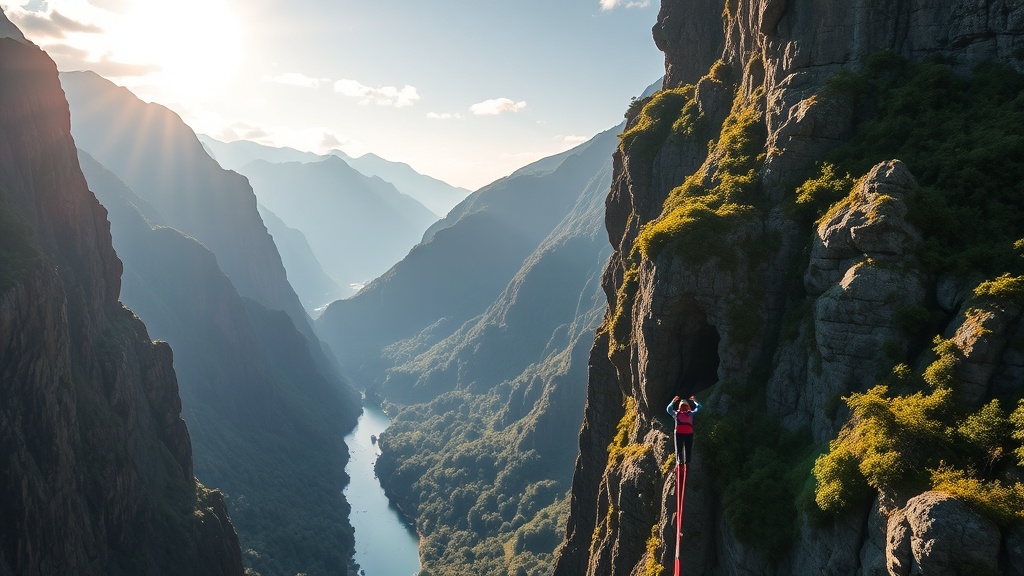
New Zealand Bungee Jumping: The Ultimate Guide for 2026
You are standing on a platform over a gorge in New Zealand. The wind is howling, the jump master is counting down, and every survival instinct you have is screaming at you to step back. This is exactly where you want to be.
If you're looking into New Zealand bungee jumping, you already know this isn't just another tourist activity. It’s a pilgrimage. I've logged over 400 jumps globally, and I now work as a jump master at the Nevis Bungy. People travel from all over the world to jump here because New Zealand is where the sport was born. The safety standards are bulletproof, the scenery is unreal, and the operators know exactly how to guide you over the edge.
Here is the no-BS breakdown of the top bungee jumping spots in New Zealand, what they cost, and how to prepare for the drop.
Why is New Zealand the birthplace of commercial bungee jumping?
If you jump anywhere in the world today, you owe a nod to what happened in New Zealand in the late 1980s.
A.J. Hackett and Henry van Asch saw the traditional land divers of Vanuatu and realized the concept could be modernized with latex rubber cords. On November 12, 1988, they opened the world's first commercial bungee operation at the Kawarau Bridge near Queenstown.
They had to prove it was safe, so they jumped it themselves over and over. They built a culture of rigorous safety checks, calibrated weight measurements, and redundant systems that set the global standard. Today, the New Zealand guidelines for adventure tourism are some of the strictest on the planet. When you jump here, you are jumping with the pioneers.
What are the top bungee jumping spots in New Zealand?
You have a few iconic choices depending on your location and how far you want to fall.
Nevis Bungy (Queenstown)
Height: 134 meters (440 feet)
The vibe: Pure intimidation.
This is my home turf and the highest bungee in New Zealand. You don't just jump off a bridge; you ride a cable car out to a pod suspended by high-tension wires in the middle of the Nevis Valley. The floor is glass. The wind howls. The freefall lasts an incredible 8.5 seconds.
It is a massive mental game. If you want the ultimate bragging rights, this is it. Read my full Nevis 134m review for the detailed breakdown.
Kawarau Bridge (Queenstown)
Height: 43 meters (141 feet)
The vibe: Historic and classic.
This is the OG jump. At 43 meters, it’s highly accessible for first-timers, but don't let the height fool you—stepping off a historic bridge over a turquoise river is still a massive rush. It’s also the only site in Queenstown where you can jump tandem. You can even request to touch the water at the bottom of the arc.
I still remember my first jump here. If you want to know what that felt like, check out my Kawarau Bridge deep dive.
Auckland Harbour Bridge (Auckland)
Height: 40 meters (131 feet)
The vibe: Urban adrenaline.
If you're up in the North Island and can't make it to Queenstown, this is your spot. You get an exclusive bridge walk out to the jump pod, offering insane views of the Auckland skyline and the Waitematā Harbour. It’s a completely different atmosphere jumping over an ocean harbor with city traffic rumbling above you. Like Kawarau, water touches are an option here.
Taupo Bungy (Taupō)
Height: 47 meters (154 feet)
The vibe: Scenic cliffside drop.
Located on the North Island, this jump features a unique cantilever platform stretching out from the cliff top over the Waikato River. The water below is crystal clear, and the valley is stunning. It’s heavily favored by backpackers and offers tandem jumps.
How much does bungee jumping in New Zealand cost?
You aren't just paying for the drop; you are paying for world-class safety protocols. Prices fluctuate slightly by season, but here is what you should expect in 2026:
- Nevis Bungy: ~$275 - $395 NZD (Often includes transport from Queenstown)
- Kawarau Bridge: ~$205 - $280 NZD
- Auckland Harbour Bridge: ~$180 - $230 NZD
- Taupo Bungy: ~$180 - $200 NZD
Pro tip: Most operators offer media packages (photos and video) for an extra $40-$80 NZD. If you want to use your own camera, you'll need a secure chest rig and jump master approval. Check out my GoPro Hero 12 for bungee guide to get your setup dialed in.
When is the best time of year to go bungee jumping in NZ?
New Zealand bungee sites operate year-round, rain or shine. But your experience changes with the seasons:
- Summer (December - February): The busiest season. You’ll get warm weather and clear skies, but you must book weeks in advance.
- Autumn (March - May): The sweet spot. Crowds thin out, and the changing colors in the Kawarau gorge are incredible.
- Winter (June - August): Cold, crisp, and stunning. Jumping the Nevis with snow-capped peaks around you is next-level, but dress warmly for the platform wait.
- Spring (September - November): High river levels mean epic water touches at Kawarau and Taupo.
What should first-timers know before booking?
How do you beat platform paralysis?
It’s normal to freeze. Your brain is doing its job by telling you not to step off the ledge. The trick is to not negotiate with your fear. When the jump master says "1", you move. Don't wait. Don't look straight down at the rocks—look out at the horizon. If you need more tactical advice on this, read my guide on beating platform paralysis.
What are the physical requirements?
You don't need to be an athlete, but strict weight limits apply because the bungee cords are meticulously calibrated. Generally, you need to weigh between 35kg and 127kg for Kawarau, and 45kg to 127kg for Nevis. If you have a heart condition, high blood pressure, or are pregnant, you won't be able to jump. Always check the official medical requirements before booking.
Do I need to book in advance?
Yes. Do not show up at the Nevis or Kawarau Bridge in February expecting a walk-in slot. Book online ahead of time, especially if you have a tight travel itinerary.
The Takeaway
New Zealand is the undisputed capital of commercial bungee jumping. Whether you choose the historical roots of Kawarau or the absolute intimidation of the Nevis, you are getting the safest, most dialed-in experience on the planet.
Prep your mind, sort your budget, and when you finally stand on that ledge with the wind in your face...
Trust the cord. Send it.