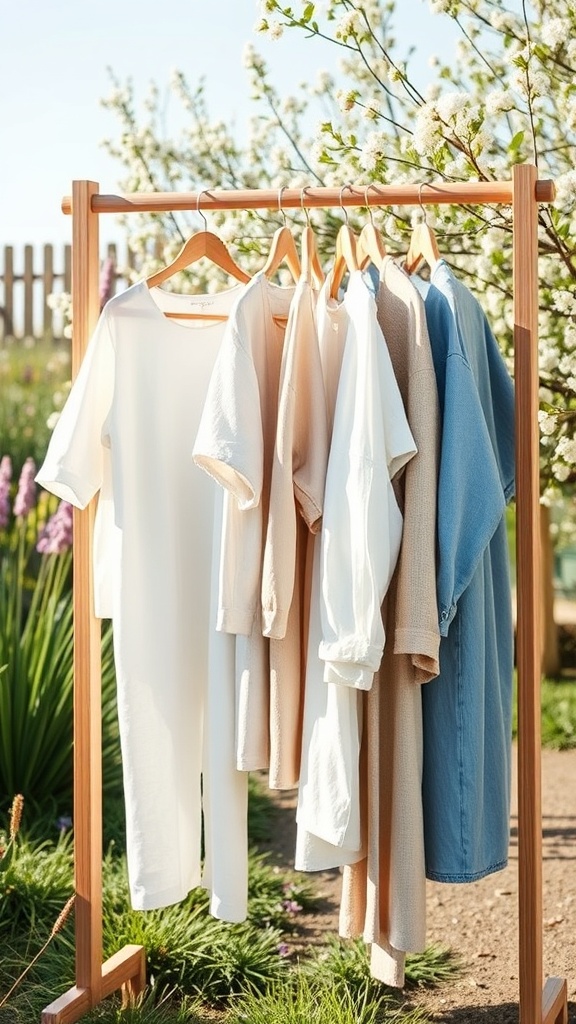
Spring Capsule Closet: Sustainable Wardrobe Essentials for Changing Weather

Spring Capsule Closet: Sustainable Wardrobe Essentials for Changing Weather
Hook:
Ever stare at a closet bursting with clothes and wonder why nothing feels right for those crisp mornings and suddenly warm afternoons? You’re not alone—spring’s weather flip‑flop can turn even the most organized wardrobe into a guessing game.
Context:
That’s why a sustainable capsule closet is the perfect antidote. It trims the clutter, cuts waste, and gives you a handful of versatile pieces that transition seamlessly from chilly dawns to sunny afternoons. Plus, it aligns with the 2026 lifestyle trend of holistic wellness, where what you wear is part of your overall health routine.
What Is a Capsule Closet and Why Does It Matter for Spring?
A capsule closet is a curated collection of interchangeable garments—usually 25‑140 pieces—that cover every occasion while minimizing excess. In spring, the goal is to blend lightweight layers with eco‑friendly fabrics so you stay comfortable without sacrificing style.
How Does a Capsule Closet Reduce Your Environmental Impact?
- Less Production Waste: Fewer new items mean lower carbon emissions. According to the Sustainable Apparel Coalition’s 2025 Higg Index, each avoided garment can save up to 13 kg CO₂e.
- Long‑Lasting Quality: Investing in durable, timeless pieces reduces the need for frequent replacements, extending the lifespan of textiles.
- Circular Economy: Choose brands that offer take‑back programs or use recycled fibers, keeping materials in the loop.
Which Eco‑Friendly Fabrics Should You Prioritize for Spring?
Are Linen and Organic Cotton the Best Choices?
Yes. Linen breathes well in warmer temps and gets softer with each wash, while organic cotton offers the same comfort without the pesticide load. Both rank high on the Fashion Revolution’s 2024 Transparency Report.
What About Recycled Polyester and Tencel?
- Recycled Polyester: Great for wind‑breakers and lightweight jackets. It diverts plastic waste from landfills; each kilogram recycled saves about 59 % of the energy needed for virgin polyester.
- Tencel (Lyocell): Made from sustainably sourced wood pulp, it’s silky, drapes beautifully, and biodegrades quickly.
How Can You Build a Spring‑Ready Capsule in Five Simple Steps?
1. Audit Your Current Wardrobe (What Do You Already Own?)
- Pull out every top, bottom, and outerwear piece.
- Keep only items that fit, feel good, and match your style.
- Donate or recycle the rest. The Earth Day Network’s 2025 guide offers reputable charities.
2. Define Your Core Color Palette (What Colors Work Year‑Round?)
- Choose 2‑3 neutrals (e.g., soft gray, ivory, muted olive) as the base.
- Add 1‑2 accent colors inspired by spring—think dusty rose or sage green.
- This palette ensures every piece pairs effortlessly, reducing the need for extra items.
3. Select Versatile Layering Pieces (How Do You Transition From Cool to Warm?)
| Piece | Spring Role | Fabric Recommendation |
|---|---|---|
| Light‑weight cardigan | Morning chill | Organic cotton knit |
| Unlined blazer | Evening breeze | Linen blend |
| Mid‑weight jacket | Rainy days | Recycled polyester shell |
| Long‑sleeve tee | Base layer | Tencel |
| Breathable trousers | All‑day comfort | Linen‑cotton blend |
4. Add Statement Accessories (Can You Elevate Basics?)
- Scarves in organic hemp or bamboo silk add warmth and color.
- Eco‑friendly shoes: Look for brands using recycled rubber soles and vegan leather (e.g., Allbirds, VEJA).
- Minimalist jewelry made from reclaimed metals keeps the look clean.
5. Create a Seasonal Outfit Matrix (How Do You Mix & Match?)
| Outfit | Components | Weather Suitability |
|---|---|---|
| Morning Walk | Tencel tee + linen trousers + light cardigan | 10‑15 °C, breezy |
| Afternoon Picnic | Organic cotton shirt + relaxed blazer + scarf | 18‑22 °C, sunny |
| Evening Hike | Recycled polyester jacket + layered tee + sturdy shoes | 8‑12 °C, possible rain |
How Do You Keep Your Capsule Fresh Year After Year?
- Seasonal Swap: At the start of each season, replace 2‑3 items with new sustainable pieces.
- Style Refresh: Rotate accessories and experiment with new layering combos.
- Mindful Shopping: When you need a replacement, opt for second‑hand or upcycled garments from platforms like Depop or ThredUp.
Takeaway: Your Spring Capsule Blueprint
- Audit what you already have.
- Choose a neutral‑plus‑accent palette.
- Prioritize linen, organic cotton, recycled polyester, and Tencel.
- Build layering staples that slide on and off as temperatures shift.
- Keep it fresh with seasonal swaps and mindful purchases.
By following this roadmap, you’ll shave hours off daily outfit decisions, reduce your carbon footprint, and step into spring with confidence—no matter how fickle the weather gets.
Related Reading
- Spring Refresh: Embrace the Season with Mindful Living — Tips for a Healthier Lifestyle — A holistic look at spring wellness.
- Eco‑Friendly Spring Cleaning Made Simple — Fresh Home Tips — Extends the sustainability mindset to your living space.
- 2026 Bungee Jumping Gear Trends: Sustainable, Smart & Safer — Shows how sustainability is shaping adventure gear.
- Daylight Saving Time Shift: Reset Your Clock & Boost Spring Energy — Aligns your daily rhythm with seasonal changes.
<meta.faqs>
[
{"question": "What fabrics are best for a sustainable spring capsule wardrobe?", "answer": "Linen, organic cotton, recycled polyester, and Tencel offer breathability, durability, and low environmental impact, making them ideal for spring layering."},
{"question": "How many pieces should a spring capsule closet contain?", "answer": "Aim for 25‑140 versatile items, focusing on interchangeable tops, bottoms, and outerwear that cover all weather scenarios."},
{"question": "Can I build a capsule closet on a budget?", "answer": "Yes—audit your current closet, prioritize second‑hand finds, and invest in a few high‑quality eco‑friendly staples to keep costs low."}
]
</meta.faqs>