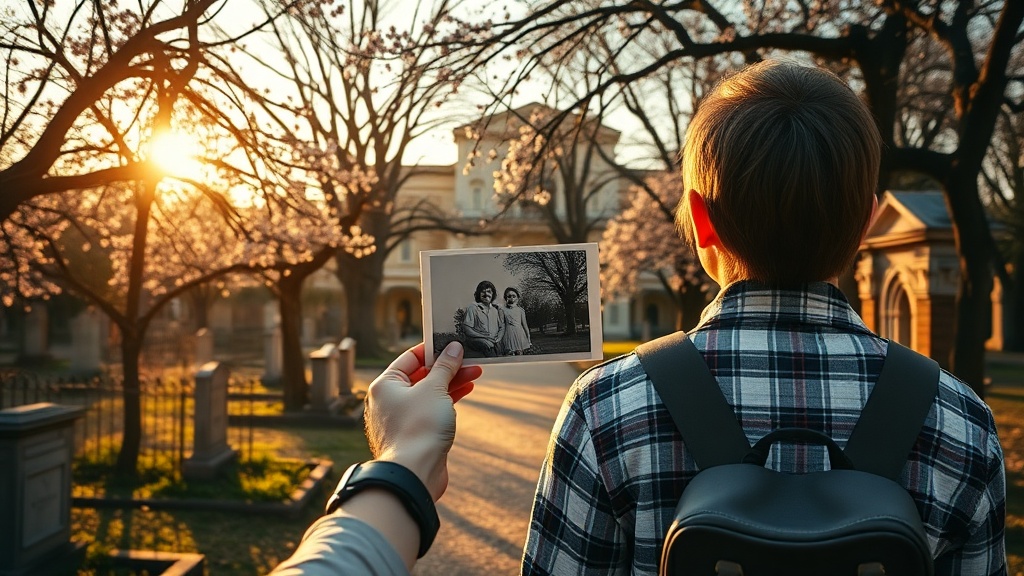
Spring Genealogy Projects — Using Longer Days to Explore Your Family History

Hook:
Ever felt the pull of a sunny afternoon, the way the extra daylight after daylight‑saving time seems to whisper, “Go out and discover something new”? Imagine turning that golden hour into a treasure hunt through your own family’s past.
Context:
Spring isn’t just for planting gardens; it’s the perfect season to dig into family archives, stroll historic neighborhoods, and finally fire up that DNA kit you’ve been postponing. With longer evenings, you have the time to blend digital research with outdoor adventures—making genealogy feel less like a chore and more like an expedition.
What Makes Spring the Ideal Time for Genealogy Projects?
Why does the extra daylight matter? The answer is simple: more daylight equals more time for on‑site research. Local archives, historic cemeteries, and heritage walks often close early in winter. In spring, you can start your day at a municipal archive, then spend the late afternoon wandering the streets where your ancestors lived, all without racing against the clock.
How Do I Choose the Right Project Scope?
Start small. Pick a single branch of your family tree—perhaps the great‑grandparents who lived in a particular town. Define three clear goals:
- Locate at least one primary source (birth certificate, census record, or newspaper clipping).
- Take a DNA sample and upload it to a reputable testing service.
- Document the journey with photos and notes you can share with relatives.
Which Digital Tools Should I Use First?
What online resources help beginners the most?
- Ancestry.com – Massive US & international record base; DNA matching pairs you with potential relatives.
- FamilySearch.org – Free, government‑run archive with global records and a helpful research wiki.
- MyHeritage – Great for European records; offers a colorized‑photo tool that brings old pictures to life.
- 23andMe – Consumer‑friendly DNA kit that provides health insights alongside ancestry composition.
“Your DNA is the key, but the story lives in the records,” says genealogist Emily Smith in a recent NYT lifestyle feature highlighting a viral family‑history video.
How Do I Get the Most Out of a DNA Kit?
- Collect a clean saliva sample following the kit’s instructions.
- Upload your raw data to free third‑party sites like GEDmatch for deeper ethnicity breakdowns.
- Cross‑reference matches with the names you discover in archives; a shared surname can confirm a connection.
Where Should I Walk to Unearth Family Stories?
Can a simple heritage walk become a genealogical goldmine?
Absolutely. Here’s a three‑step field plan:
- Identify historic neighborhoods using Google Maps’ historic overlay feature or local heritage‑society websites.
- Visit cemeteries—they’re often the most accessible records. Look for headstones, note dates, and photograph them (see our photo‑tips in the How to Capture Epic Bungee Jump Photos for lighting tricks).
- Talk to longtime residents. A quick interview can reveal stories not captured in official records. Record the conversation on your phone and jot down key dates.
Pro tip: Carry a portable scanner or a phone app like CamScanner to digitize documents on the go. The extra daylight makes it easier to capture clear images without a flash.
How Do I Organize and Share My Findings?
What’s the best way to keep everything tidy?
- Create a master spreadsheet with columns for Source Type, Date, Location, URL/Reference, Notes. Google Sheets works well and auto‑saves.
- Use a digital scrapbook such as Evernote or Notion to embed photos, scanned documents, and audio clips from interviews.
- Publish a family‑history blog on a free platform like WordPress.com. Even a simple post can serve as a living archive for relatives far away.
If you’re already cleaning up digital clutter, our Eco‑Friendly Spring Cleaning Made Simple guide offers a quick method to declutter your photo library before uploading new genealogy images.
What Are the Safety and Ethical Considerations?
Is it safe to share DNA results and family stories online?
- Privacy first: Only share DNA matches with consent. Many services let you hide your raw data from public view.
- Respect burial sites: Follow local regulations when photographing graves. Some cemeteries prohibit photography; always ask the caretaker.
- Cite sources: When you post findings, include citations to the original records. This builds credibility and helps future researchers.
Takeaway: Your Spring Genealogy Action Plan
- Pick a branch and set three concrete goals.
- Order a DNA kit (e.g., 23andMe) and start the test.
- Schedule a heritage walk – aim for two hours of outdoor research on a weekend.
- Document everything using a spreadsheet and a photo‑friendly phone setup.
- Share your story on a simple blog or with a family group chat.
With the extra daylight of spring, you have the perfect window to turn curiosity into a concrete family‑history adventure. Grab that DNA kit, lace up your walking shoes, and let the longer evenings guide you to the stories waiting in archives, cemeteries, and the hearts of your relatives.
Related Reading
- How to Capture Epic Bungee Jump Photos: Gear, Settings, and Safety Tips — Learn lighting tricks you can apply to heritage‑site photography.
- Spring Trail Ready: Gear Up for Safe and Enjoyable Hiking Adventures — Gear checklist for comfortable heritage walks.
- Eco‑Friendly Spring Cleaning Made Simple – Fresh Home Tips — Quick guide to declutter your digital photo archive before adding genealogy images.