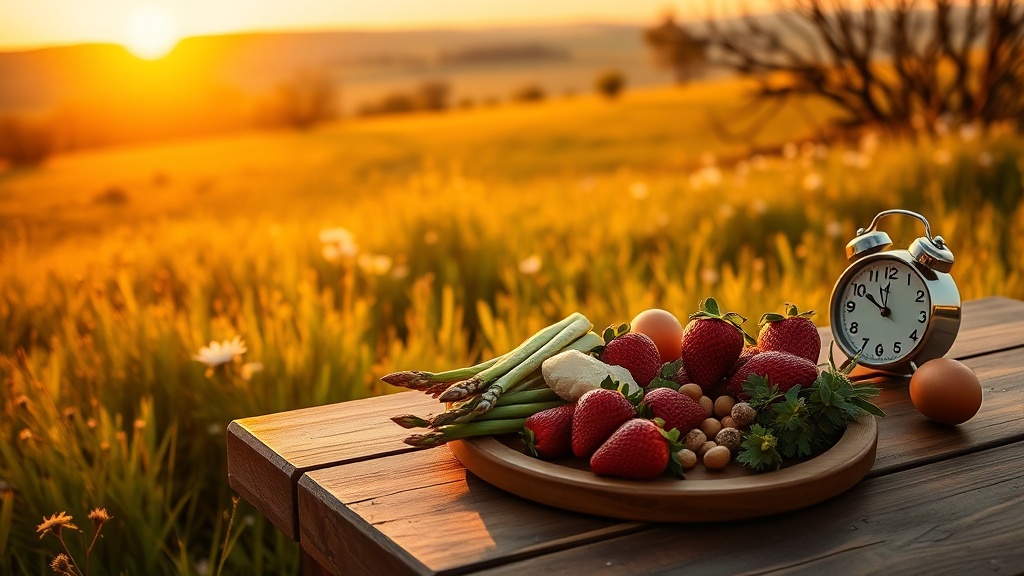
Spring Refresh: Align Your Meals with Circadian Rhythm for Renewed Energy

Hook: Ever feel like you’re running on fumes by mid‑afternoon, even though you ate a "healthy" breakfast? What if the secret isn’t what you eat, but when you eat it?
Context: Spring brings longer days, warmer light, and a natural cue to reset our internal clocks. Aligning meals with sunrise, midday, and sunset — what I call a bio‑harmony schedule — can boost energy, sharpen focus, and even improve sleep quality.
Why does timing matter for nutrition?
Research shows that our bodies process carbs, proteins, and fats differently depending on the time of day. A 2024 review in Chronobiology International found that eating larger meals earlier in the daylight window supports better insulin sensitivity and lower inflammation (Harvard Health, 2024). In short, the earlier you fuel, the more efficiently your body uses that fuel.
How can I sync my meals with the sunrise?
- Check tomorrow’s sunrise time — Use a weather app or the U.S. Naval Observatory. In Queenstown this March, sunrise averages around 6:30 am.
- Breakfast within 30 minutes of sunrise — Focus on protein‑rich foods and light carbs (e.g., scrambled eggs, seasonal asparagus, a handful of strawberries). The light exposure kick‑starts cortisol, giving you a natural energy surge.
- Midday lunch at solar noon — Aim for the time when the sun is highest (~12:30 pm). A balanced plate with lean protein, complex carbs, and plenty of greens supports sustained stamina for afternoon jumps.
- Dinner before sunset — Finish eating at least two hours before the sun dips below the horizon (~7:45 pm). Light, easily digestible meals (e.g., grilled fish, roasted veggies) promote melatonin production for better sleep.
7‑Day Circadian Meal Plan (Spring Edition)
| Day | Sunrise (≈6:30 am) — Breakfast | Solar Noon (≈12:30 pm) — Lunch | Sunset (≈7:45 pm) — Dinner |
|---|---|---|---|
| Mon | Asparagus & goat cheese omelet, fresh strawberries | Quinoa‑couscous salad with grilled chicken, cherry tomatoes, avocado | Baked salmon, roasted carrots, side of wild rice |
| Tue | Greek yogurt parfait with kiwi, chia seeds, and honey | Lentil soup, whole‑grain roll, mixed leaf side salad | Stir‑fried tofu, bell peppers, snap peas, brown rice |
| Wed | Smoothie bowl (spinach, banana, almond milk, pumpkin seeds) | Turkey wrap with whole‑wheat tortilla, arugula, hummus | Grilled shrimp, asparagus spears, quinoa pilaf |
| Thu | Scrambled eggs, smoked salmon, sliced orange | Chickpea‑spinach curry, basmati rice | Veggie‑loaded pasta primavera with olive oil & basil |
| Fri | Cottage cheese, sliced pear, toasted walnuts | Grilled steak, sweet‑potato wedges, broccoli | Miso‑glazed cod, sautéed bok choy, millet |
| Sat | Protein pancakes, blueberry compote, a drizzle of maple syrup | Mediterranean bowl: falafel, tabbouleh, tzatziki, mixed olives | Roasted chicken thighs, root veg medley, quinoa |
| Sun | Avocado toast on sourdough, poached egg, grapefruit halves | Veggie sushi rolls, edamame, miso soup | Light vegetable stir‑fry with tempeh, jasmine rice |
Tip: Pair each meal with at least 15 minutes of natural light exposure. Step outside, open the curtains, or sit by a sunny window while you eat.
Light Exposure & Sleep Hygiene Hacks for Spring
- Morning: Open blinds immediately; if it’s still dark, turn on a bright‑white lamp (≥5,000 lux) for 10 minutes.
- Midday: Take a 10‑minute walk during lunch. Sunlight boosts serotonin, which later converts to melatonin at night.
- Evening: Dim indoor lighting after sunset. Use amber bulbs or blue‑light‑blocking glasses to signal your brain that it’s winding down.
- Bedroom: Keep the room cool (≈18 °C) and dark. A consistent bedtime (around 10:30 pm) aligns with the circadian dip after sunset.
How Does This Fit Into an Adventurer’s Lifestyle?
I’ve tried countless pre‑jump meals, and the ones that really power a 130‑meter freefall are those taken early, when my body is fully awake. When I shifted my dinner to before sunset, my sleep improved dramatically — no more tossing at 2 am wondering if I should have eaten later. The same principle works for any high‑energy activity, from a sunrise hike to a day‑long bungee session.
Frequently Asked Questions (FAQ)
{
  "meta": {
    "faqs": [
      {"question": "What is a circadian rhythm diet?", "answer": "It’s a way of timing meals to match your body’s natural 24‑hour clock, eating larger meals earlier in the day and lighter meals as evening approaches."},
      {"question": "Do I need to eat exactly at sunrise?", "answer": "Aim for within 30 minutes of sunrise; the light cue is the key, not the exact second."},
      {"question": "Can I still enjoy coffee in the afternoon?", "answer": "Limit caffeine after 2 pm to avoid disrupting melatonin production, which can impair sleep and next‑day energy."},
      {"question": "Is this plan suitable for vegans?", "answer": "Absolutely — swap animal proteins for beans, tofu, tempeh, and keep the timing the same."},
      {"question": "Will this help with weight loss?", "answer": "Studies suggest that aligning meals with daylight can improve metabolic rate, making weight management easier when combined with a balanced diet."}
    ]
  }
}
Takeaway
Spring is nature’s reset button. By syncing your meals to sunrise, midday, and sunset, you harness daylight to fuel your body, sharpen focus, and land in a deeper sleep. Try the 7‑day plan, soak up that golden light, and notice the bounce in your step — whether you’re gearing up for a jump or just tackling the day.
Ready to jump into bio‑harmony? Grab the plan, set your alarms, and trust the cord — the rhythm is yours.
Internal Resources
- Fueling a Bungee Jump Like a Pro: What to Eat, What to Skip, and Why It Changes Your Day — deeper dive on nutrition for high‑adrenaline activities.
- Spring Refresh: Embrace the Season with Mindful Living — Tips for a Healthier Lifestyle — broader spring wellness ideas.
- How Data‑Driven Tools Reveal March 2026’s Hottest Lifestyle Trends — the data behind the bio‑harmony buzz.
Sources
- "Chronobiology of Food Intake and Metabolism," Chronobiology International, 2024. https://www.chronobiologyinternational.com/articles/2024/food‑timing‑review
- Harvard Health Publishing, "The Best Time to Eat for Weight Loss," 2024. https://www.health.harvard.edu/blog/best‑time‑to‑eat‑2024‑0211
- U.S. Naval Observatory – Sunrise/Sunset Data. https://www.usno.navy.mil/USNO/astronomical‑applications/data‑services/RS_One‑Day