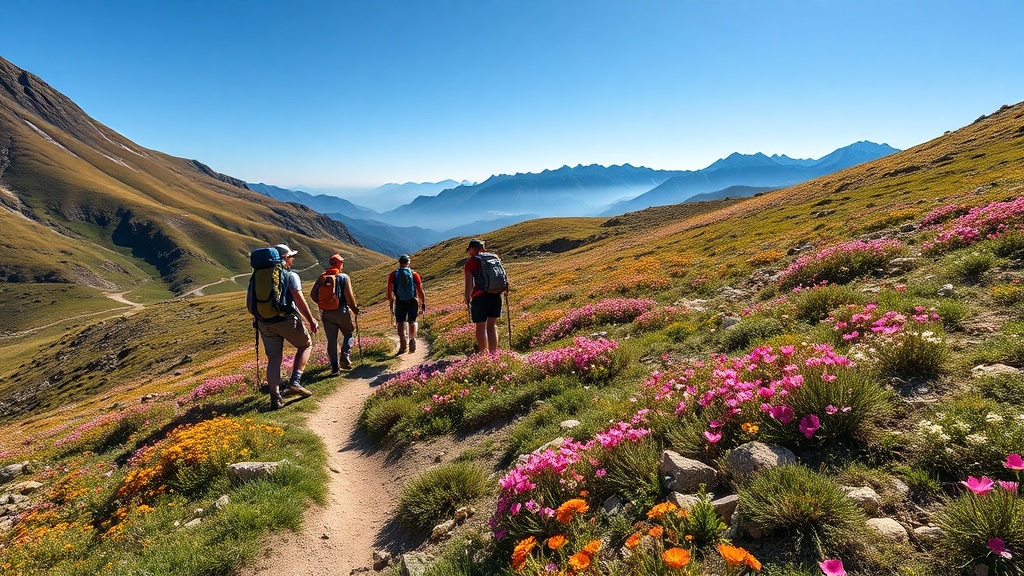
Spring Trail Ready: Gear Up for Safe and Enjoyable Hiking Adventures

Spring Trail Ready: Gear Up for Safe and Enjoyable Hiking Adventures
Hook:
Ever laced up your boots and felt the thrill of a fresh spring trail, only to wonder if you’ve packed the right gear or missed a safety tip? You’re not alone – a recent National Park Service report shows a 20% surge in early‑season hikers, and with that comes a fresh set of challenges.
Context:
Longer daylight hours and milder weather make March and April perfect for hitting the trails. Whether you’re a beginner itching for your first summit or a seasoned hiker looking to refresh your routine, the right preparation can mean the difference between an epic adventure and a frustrating (or unsafe) day out.
What essential gear should I bring for a spring hike?
How do I choose the right footwear?
Your shoes are the foundation of a comfortable hike. Look for lightweight trail runners with water‑resistant uppers and aggressive lugs for mixed terrain. Brands like Salomon, Merrell, and Altra release spring‑specific models that balance breathability with protection. Tip: Break them in on a short local walk before tackling longer routes.
Which clothing layers keep me comfortable without overheating?
Spring weather can swing from crisp mornings to warm afternoons. Follow the layer‑cake rule:
- Base layer – moisture‑wicking fabrics (e.g., polyester or merino wool).
- Mid layer – insulated but packable (fleece or lightweight down).
- Outer shell – breathable, waterproof, and wind‑proof (Gore‑Tex or similar).
What safety essentials can’t I forget?
- Map & compass (or a reliable offline GPS app).
- First‑aid kit – include blister care, tape, and antihistamines.
- Headlamp with extra batteries – daylight saving means evenings get longer, but storms can roll in fast.
- Emergency whistle – a simple sound can attract help.
Pro tip: Pack a lightweight emergency blanket; it’s compact and can prevent hypothermia if you get caught in an unexpected cold snap.
How should I condition my body for spring hikes?
What simple workouts build trail‑ready stamina?
Start with low‑impact cardio (cycling, swimming) 3× a week for 30 minutes to boost aerobic capacity. Add hill repeats on a local incline to simulate elevation gain.
Which strength exercises protect my knees and ankles?
- Squats & lunges – focus on controlled depth.
- Single‑leg deadlifts – improve balance.
- Calf raises – strengthen the Achilles for downhill stability.
How much should I stretch before hitting the trail?
Dynamic stretches (leg swings, walking lunges) are best pre‑hike. Save static stretches (hamstring hold, quad stretch) for post‑hike recovery to reduce injury risk.
What trail etiquette keeps the wilderness enjoyable for everyone?
How do I practice Leave No Trace principles?
- Pack it in, pack it out – carry all trash, even biodegradable items.
- Stay on the trail – protects fragile vegetation.
- Respect wildlife – observe from a distance, never feed.
- Minimize campfire impact – use portable stoves when possible.
How can I be a considerate fellow hiker?
- Yield to uphill hikers.
- Keep noise low – especially near nesting areas.
- Share trail information – post updates on local trail forums or apps like AllTrails.
How can I stay safe in changing spring conditions?
What weather signs should I watch for?
- Rapid temperature drops – may indicate an incoming front.
- Darkening clouds – can bring sudden rain or thunderstorms.
- Increasing wind – can make exposed ridgelines hazardous.
When should I turn back?
If you’re more than 30 minutes behind schedule, feeling fatigued, or weather turns severe, it’s smarter to head home than push on.
Takeaway
Spring is the perfect season to explore new trails, but success hinges on gear that matches the conditions, conditioning that prepares your body, and etiquette that protects the environment. Pack smart, train a little each week, respect the trail, and you’ll turn those longer daylight hours into unforgettable, safe adventures.
Related Reading
- Essential Safety Checks Before Every Bungee Jump – many of the same safety principles apply to hiking.
- 5 Emerging Bungee Jumping Destinations to Try in 2026 – great inspiration for combining a hike with a jump.
- Plan a Bungee Day in Queenstown Like a Pro (Without Wasting Half Your Adrenaline) – a day‑trip blueprint you can adapt for mountain trekking.
Sources
- National Park Service, Early‑Season Hiker Rise 2024 (20% increase) – https://www.nps.gov/aboutus/news/early-season-hiker-rise-2024.htm
- American Trails, Outdoor Participation Trends Report 2024 – https://www.americantrails.org/resources/outdoor-participation-trends-report-2024
- REI Co‑op, Spring Hiking Gear Guide – https://www.rei.com/learn/expert-advice/spring-hiking-gear.html
- U.S. Forest Service, Trail Safety Tips – https://www.fs.usda.gov/visit/learn/trail-safety