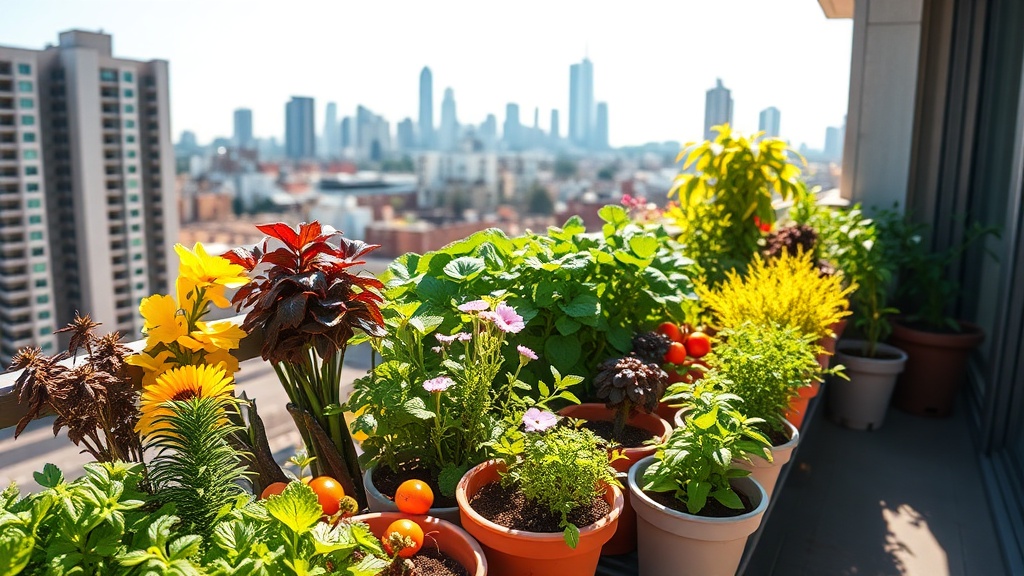
Urban Gardening 2026: How to Turn Your Balcony into a Food‑Growing Oasis

Urban Gardening 2026: How to Turn Your Balcony into a Food‑Growing Oasis
Hook – Imagine stepping out onto your balcony in April and pulling fresh basil, cherry tomatoes, and radishes straight into your breakfast. No farmer’s market line, no grocery‑store markup – just the satisfaction of eating what you grew on a space no bigger than a coffee table.
Context – Food prices are climbing, city apartments are getting smaller, and more municipalities are championing green‑infrastructure. In 2026, dozens of cities – from Melbourne to Portland – have launched Balcony Garden Grant programs that give residents free soil kits and micro‑seed packs. If you’ve ever wanted to try urban gardening but thought you didn’t have the room, now’s the moment.
What Exactly Is Urban Gardening on a Balcony?
Urban gardening is the practice of growing edible plants in city environments, and a balcony garden is the most accessible entry point. It relies on containers, lightweight soil mixes, and clever vertical solutions to make the most of limited square footage.
Why 2026 Is the Year to Start?
- City incentives – New grant programs cover up to $150 in starter kits (see the City of Portland Balcony Garden Initiative).
- Climate‑ready varieties – Hybrid dwarf tomatoes and heat‑tolerant herbs are now bred for container life.
- Mental‑health boost – Studies from the University of British Columbia show a 12% reduction in stress scores after two weeks of balcony gardening (UBC 2025, "Urban Green Spaces and Well‑Being").
How to Get Started: A Step‑by‑Step Guide for Beginners
1. Assess Your Space and Light
“Sunlight is the currency of any garden.” – Kai Nakamura
- Measure the square footage of your balcony. Even a 4 ft × 6 ft area can host a tiered system.
- Track sunlight for a week. Note the hours of direct sun (ideal: 4‑6 hrs). Use a simple app like Sun Seeker to confirm.
- Choose orientation – South‑facing balconies get the most light; east‑facing work for leafy greens; west‑facing can handle heat‑loving veggies.
2. Pick the Right Containers
- Size matters – A 5‑gal pot is perfect for a dwarf tomato, while 1‑gal pots suit herbs.
- Material – Fabric grow bags improve drainage and reduce weight. Terracotta looks great but can crack in freeze‑thaw cycles.
- Self‑watering pots – Ideal for beginners; they release moisture slowly and prevent over‑watering.
3. Select Soil and Fertilizer
- Lightweight mix – A 1:1:1 blend of peat moss, perlite, and compost keeps pots manageable.
- Organic fertilizer – Worm castings or a slow‑release seaweed granule (e.g., EcoGrow 2026 formula) feeds plants for up to 8 weeks.
4. Choose Your First Crops
| Crop | Sun Needs | Container Size | Why It’s Beginner‑Friendly |
|---|---|---|---|
| Cherry tomatoes (dwarf) | Full sun | 5 gal | High yield, compact vine |
| Basil | Full sun | 1 gal | Fast growth, culinary staple |
| Radish | Partial sun | 1 gal | Harvest in 4 weeks |
| Lettuce mix | Partial shade | 2 gal | Continuous harvest |
5. Set Up a Vertical System
- Tiered shelves – Use reclaimed wooden crates or metal racks to stack pots.
- Trellises – Attach a bamboo trellis to the balcony rail for vining tomatoes or peas.
- Hanging baskets – Perfect for strawberries or herbs; keep them within arm’s reach.
6. Watering & Maintenance Routine
- Morning check – Feel the top inch of soil; if dry, water.
- Mulch – A thin layer of straw or shredded bark reduces evaporation.
- Prune – Remove dead leaves weekly to improve airflow.
- Pest watch – Sticky traps catch aphids; an organic spray of neem oil (2026 Eco‑Safe formula) handles infestations.
7. Harvest and Enjoy
- Tomatoes – Pick when fully red; they’ll keep producing for weeks.
- Herbs – Snip just above a leaf node to encourage bushier growth.
- Radishes – Pull when roots are about 1 inch in diameter for crisp texture.
Pro Tips from a Jump‑Master Turned Gardener
- Use the “bounce” principle – Just as a bungee cord stretches, let your soil breathe. Over‑watering is like over‑packing a cord; it sags and loses strength.
- Safety first – Secure heavy pots to the railing with stainless‑steel clips; a wind gust can turn a pot into a projectile.
- Micro‑climate hack – Place a reflective board behind east‑facing pots to bounce extra morning sun onto them.
Common Mistakes and How to Avoid Them
- Mistake: Planting shade‑loving greens in full‑sun spots.
Fix: Move lettuce to the balcony’s north side or use a shade cloth. - Mistake: Ignoring wind exposure.
Fix: Add a windbreak (bamboo screen or lattice) on the leeward side. - Mistake: Using garden‑center soil that’s too heavy.
Fix: Switch to a lightweight potting mix; it prevents root‑rot.
Takeaway: Your Balcony Can Feed You
Urban gardening on a balcony isn’t a hobby reserved for seasoned horticulturists – it’s a practical, affordable way to shave dollars off your grocery bill, improve mental health, and contribute to a greener cityscape. Start small, follow the steps above, and watch your balcony transform from concrete to cuisine.
Related Reading
- Spring Refresh: Embrace the Season with Mindful Living — Tips for a Healthier Lifestyle – Learn how seasonal habits, including gardening, boost wellbeing.
- Eco‑Friendly Tips for a Sustainable St. Patrick’s Day – More ideas for sustainable living in the city.
- 2026 Bungee Jumping Gear Trends: Sustainable, Smart & Safer – Discover how sustainability is shaping adventure gear, a mindset you can apply to gardening.
FAQs (FAQPage Structured Data)
<meta.faqs>
[
{"question": "What containers work best for balcony gardening?", "answer": "Lightweight fabric grow bags or self‑watering plastic pots of 1‑5 gal are ideal because they’re easy to move and drain well."},
{"question": "How much sunlight does a balcony garden need?", "answer": "Most edible plants thrive with 4‑6 hrs of direct sun. If you have less, focus on leafy greens and herbs that tolerate partial shade."},
{"question": "Can I grow fruit on a balcony?", "answer": "Yes – dwarf varieties of strawberries, blueberries, and even citrus trees are bred for container life and can flourish on a sunny balcony."},
{"question": "Do I need a city permit to garden on my balcony?", "answer": "Generally no, but check your building’s bylaws. Some municipalities offer free grant kits that require registration, like the Portland Balcony Garden Initiative."}
]
</meta.faqs>
Happy planting, and remember: trust the cord, trust the soil.