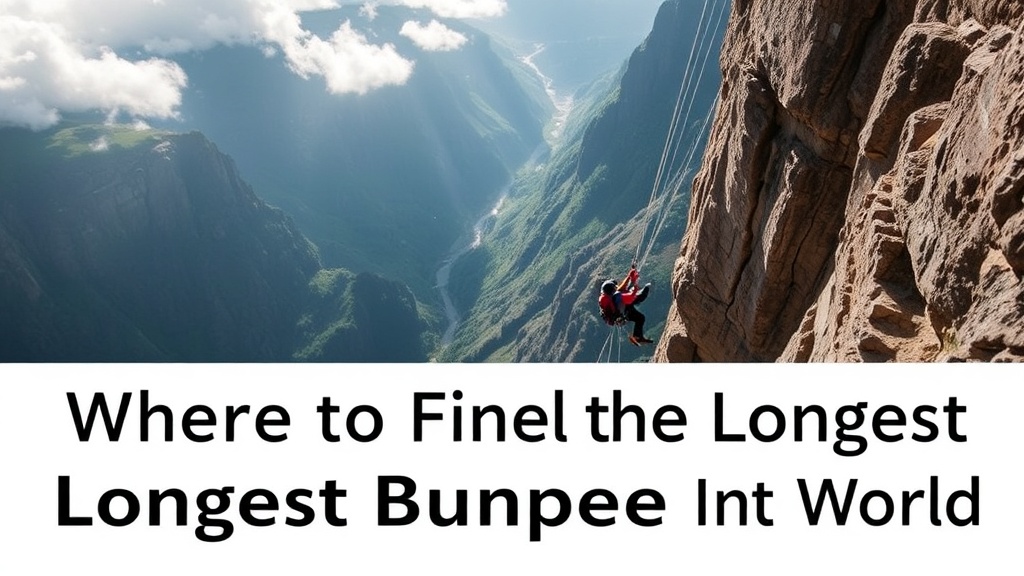
Where to Find the Longest Bungee Jumps in the World
Most people assume that the "best" bungee jump is simply the one with the highest drop, but height is only one variable in the equation of a world-class jump. A massive drop can feel underwhelming if the tension is wrong or the view is obstructed. To find a truly elite jump, you need to look for a combination of vertical clearance, technical complexity, and the quality of the surrounding environment. This guide identifies the premier locations globally for long-distance bungee jumping, focusing on the technical specifications and the geographic prestige of each site.
The Gold Standard: New Zealand
New Zealand is the undisputed birthplace and spiritual home of modern commercial bungee jumping. While many countries have developed jumping sites, the technical precision and safety standards established here remain the global benchmark. If you are looking for sheer scale and professional infrastructure, you must start in the South Island.
The Nevis Bungee, Queenstown
The Nevis Bungee is widely considered the pinnacle of the sport. It is not just a high jump; it is a technical marvel located in a high-altitude canyon. With a 134-meter (440 feet) drop, it offers a sense of isolation that shorter jumps cannot replicate. The jump takes place from a specialized metal structure suspended over the Nevis River, meaning you aren't just jumping off a bridge—you are jumping into a void. The technicality of the Nevis jump comes from the way the wind interacts with the canyon walls, creating a unique psychological pressure before you lean into the abyss.
Kawarau Bridge, Queenstown
While the Nevis offers the most height, the Kawarau Bridge is the historical heavyweight. It is shorter than the Nevis, but it holds the prestige of being the site where commercial bungee jumping began. For those who want to experience the "classic" jump, the Kawarau provides a more accessible entry point into the high-adrenaline world of New Zealand jumping. It is an excellent choice for those who want to test their nerves before attempting the more intimidating technicality of the Nevis.
The European Giants: High Altitudes and Engineering
Europe offers a different flavor of bungee jumping, often characterized by incredible engineering and integration into existing infrastructure like bridges or high-altitude cables. The jumps here tend to be more "industrial" in feel, often utilizing the dramatic landscape of the Alps or deep river gorges.
Verdon Gorge, France
The Verdon Gorge is one of the deepest canyons in Europe, and the jumps here leverage the immense limestone cliffs to create a breathtaking visual experience. The combination of turquoise water below and sheer vertical walls provides a level of visual depth that is difficult to find elsewhere. When planning a trip here, remember that the weather in the gorge can change rapidly, affecting visibility and wind speeds. Checking the weather twice is vital when dealing with the microclimates found in deep European canyons.
The Swiss Alps and Cable Car Jumps
Switzerland specializes in high-altitude adrenaline. While many jumps are shorter than the New Zealand giants, the sheer altitude of the mountain ranges adds a layer of psychological intensity. The air is thinner, the temperature is lower, and the views of the surrounding peaks provide a sense of scale that makes the jump feel even more significant. These jumps are often highly regulated and rely on precision engineering to ensure safety in high-wind mountain environments.
The African and Asian Frontiers
If you are looking for jumps that feel more "raw" and integrated into the natural landscape, the emerging markets in Africa and Asia offer incredible opportunities. These jumps often lack the heavy metal scaffolding of the New Zealand sites, relying instead on natural rock formations or bridge structures that feel more integrated into the wilderness.
Victoria Falls, Zimbabwe/Zambia
Jumping near Victoria Falls is a bucket-list item for many, but it is important to note that the primary attraction here is the proximity to the world's largest falling curtain of water. The sheer volume of the Zambezi River and the constant mist from the falls create a sensory overload. The jump is high-intensity due to the constant roar of the water and the humidity, which can make the physical sensation of the jump feel much more visceral. If you are a seasoned jumper, the environmental factors here—the sound, the mist, and the heat—will be as much a part of the jump as the gravity itself.
Southeast Asia: The Tropical Highs
In parts of Southeast Asia, bungee jumping is often integrated into adventure travel hubs. These jumps are frequently shorter and more "tourist-friendly," but they offer the unique advantage of tropical environments. The humidity and the lush, green landscapes provide a stark contrast to the cold, alpine jumps of Europe. These sites are excellent for those who want to incorporate bungee jumping into a larger multi-sport itinerary involving surfing or trekking.
Technical Specifications to Look For
When you are searching for your next jump, do not just look at the number of meters. A professional jumper looks at the technicality of the setup. Use this checklist to evaluate a jump site before you book:
- The Drop Profile: Is it a vertical drop, or is there a slight angle? A pure vertical drop, like the Nevis, provides the most intense acceleration.
- The Tension Profile: How does the cord behave at the bottom of the arc? High-quality sites use advanced elastic technology to ensure the rebound is smooth and controlled.
- The Visual Void: A jump over a wide, flat area can feel less intense than a jump into a narrow canyon. The "visual void" is what triggers the brain's fear response.
- The Rigging Method: Is it a fixed bridge, a temporary platform, or a cable-based system? Each offers a different psychological profile.
Safety and Preparation Protocols
Regardless of the length of the jump, your physical preparation dictates how your body handles the G-forces. Even at the most professional sites, your personal readiness is your responsibility. For instance, many people make the mistake of consuming stimulants right before a jump. To ensure your body is in the best state to handle the sudden spike in adrenaline, you should skip coffee before your jump to avoid unnecessary jitters or nausea during the descent.
Furthermore, your gear and clothing can impact the experience. If you are wearing loose items, they can interfere with the harness or the cord during the rebound. Always ensure you avoid wearing loose jewelry, as the centrifugal force of the bounce can cause items to strike your body or even become lost in the canyon below.
The Psychological Element: Why the Height Matters
The reason we seek out the longest jumps isn't just about the physical sensation of falling; it is about the mental conquest. A 30-meter jump is a thrill, but a 130-meter jump is a psychological battle. The longer the fall, the more time your brain has to process the "void" before the cord catches you. This period of freefall is where the most intense dopamine and adrenaline spikes occur.
When you are standing on a platform like the Nevis, the height creates a specific type of vertigo that is different from any other sensation. The goal is to reach a state where you can control that fear. Whether you are a novice or a veteran, the longest jumps in the world offer the most significant opportunity for mental growth. You aren't just jumping into a canyon; you are jumping through your own hesitation.
"The jump isn't over when the cord catches you. The real jump is the moment you decide to lean forward when every instinct tells you to stay back."
When you have finished your jump and the adrenaline begins to subside, your body will require proper nutrition to recover from the intense physical stress. The metabolic spike from a long-distance bungee jump is significant, so consider nutritious post-jump meals to help stabilize your system and refuel your energy levels.