6 Bungee Jumping Spots to Visit in South America
The High Altitudes of the Andes
River Jumps in the Brazilian Rainforest
Coastal Cliff Leaps in Chile
Mountainous Drops in Argentina
Tropical Falls in Colombia
Adventure Hubs in Ecuador
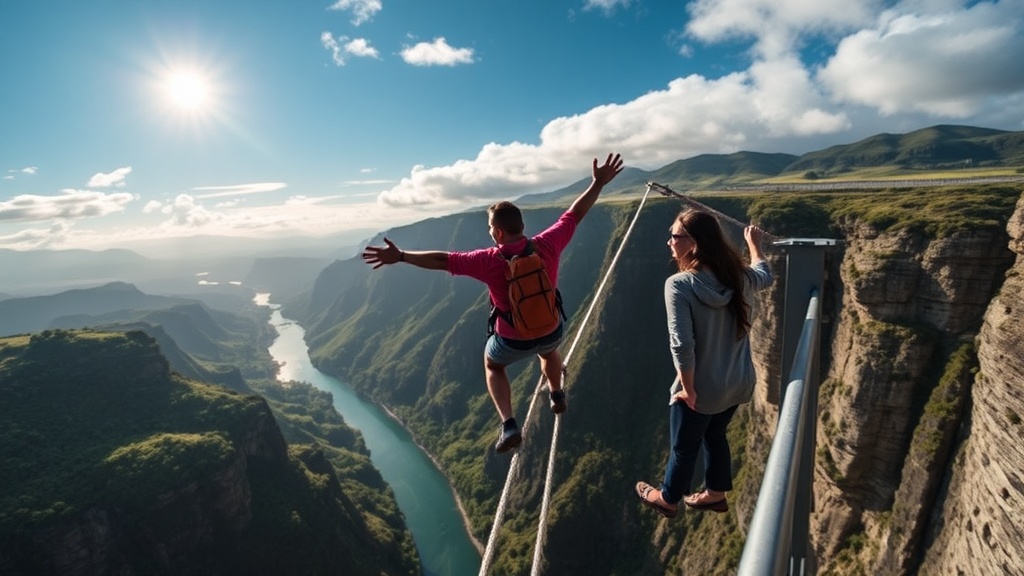
A traveler stands on a narrow wooden platform, looking down at a churning river hundreds of feet below. Their heart rate is climbing, their palms are sweating, and even though they’ve checked their harness three times, the hesitation is palpable. This is the moment of truth that defines the bungee experience. South America offers some of the most intense versions of this psychological battle, providing high-altitude drops and dramatic natural landscapes that challenge even the most seasoned adrenaline seekers. This guide outlines six premier bungee jumping locations across the South American continent, detailing exactly where to go, what to expect from the drop, and how to prepare for the descent.
1. Puente de la Mujer and the High Altitudes of Mendoza, Argentina
Argentina is often celebrated for its wine and tango, but for those seeking verticality, the Mendoza region offers a different kind of thrill. While many people head to the Andes for trekking, the specialized jump sites near the foothills provide a unique combination of mountain air and significant height. The jumps here are often characterized by the sheer scale of the surrounding peaks, which adds a psychological layer of intimidation to the descent.
When booking a jump in this region, you are often dealing with specialized adventure operators that manage seasonal weather patterns closely. The wind in the Andes can change rapidly, so always check the local forecast before heading to the site. Because you are at a higher altitude, your breathing might feel slightly more labored during the buildup to the jump. This is a good time to practice rhythmic breathing techniques to keep your heart rate under control. If you are traveling internationally to reach these spots, make sure you know what to pack for your bungee jumping trip to ensure you have the right footwear and weather-appropriate layers for the mountain environment.
2. The Breathtaking Drops of San Gil, Colombia
San Gil is widely recognized as the adventure capital of Colombia, and for good reason. The town serves as a hub for extreme sports, ranging from paragliding to white-water rafting. The bungee jumping sites around San Gil often utilize bridge structures over deep river canyons, offering a visceral sense of speed as you approach the water surface. The humidity in this region is high, which means the air feels heavy, adding to the sensory intensity of the jump.
The jumps in San Gil are frequently shorter in duration than the massive mountain jumps in Argentina, but the proximity to the river creates a high-velocity sensation. It is common to see jumpers performing "water bounces" or specialized maneuvers here. Ensure you are wearing sturdy, closed-toe shoes; sandals or flip-flops are strictly prohibited due to the risk of losing them during the recoil. The local operators are highly experienced in managing the tropical weather, but heavy afternoon rain showers are common and can occasionally cause delays.
3. High-Altitude Thrills in Cusco, Peru
Located near the Sacred Valley, the area surrounding Cusco offers more than just historical ruins. The topography here is extreme, with steep valleys and dramatic elevation changes. Bungee jumping in this part of Peru often involves jumping from bridges that span deep Andean gorges. The combination of the thin mountain air and the dizzying heights makes this one of the most mentally taxing jumps on the continent.
At these altitudes, your body is already working harder to process oxygen. This can amplify the "fight or flight" response during the jump. I recommend staying hydrated for at least 48 hours before your scheduled jump to mitigate any altitude sickness symptoms. The visual stimulus of the deep, rocky canyons can be overwhelming, so focus on a single point on the horizon during your countdown to maintain your equilibrium. The technical precision of the gear used here is paramount, as the environmental conditions are much harsher than at sea level.
4. The Coastal Adrenaline of Rio de Janeiro, Brazil
Brazil brings a different energy to the bungee scene, often blending extreme sports with a vibrant, coastal atmosphere. While many jumps are land-based, the proximity to the Atlantic Ocean influences the weather and the general vibe of the adventure. In the outskirts of Rio, you can find jumps that offer a view of the lush, tropical greenery and the distant coastline, providing a stunning visual reward for your bravery.
The jumps in Brazil are often more social and high-energy. You will likely find yourself jumping alongside other travelers in a festive environment. However, do not let the relaxed atmosphere distract you from the technical requirements. The heat and humidity in Rio can lead to rapid dehydration. If you are jumping in the afternoon, ensure you have consumed plenty of electrolytes. The visual of the coastline can be a great way to distract yourself from the height, but keep your eyes on the jump master’s instructions to ensure you are properly positioned on the platform.
5. Extreme Vertigo in the Chilean Andes
Chile offers some of the most rugged and untouched landscapes in South America, particularly within the Andean range. Bungee jumping in Chile is often a more secluded experience, away from the heavy tourist crowds found in places like Cusco or Rio. The jumps here are frequently characterized by extreme isolation and massive, jagged rock formations that frame the jump site.
The technicality of the jumps in Chile is high, often requiring specialized logistics due to the remote locations. If you are planning a trip to these locations, be prepared for a longer journey to reach the actual jump site. The weather can be unpredictable, with sudden temperature drops even in the summer months. It is essential to have a solid base layer of clothing. Because these sites are often more remote, the sense of isolation can heighten the adrenaline rush, making the mental preparation even more critical than usual.
6. The Rainforest Canopy Jumps of Ecuador
Ecuador provides a unique opportunity to jump within or near the lush canopy of the Amazon basin or the high-altitude cloud forests. These jumps offer a much more "green" and organic sensation than the rocky or river-based jumps found elsewhere. Instead of looking down at a river or a canyon, you are often looking down into a dense, vibrating ecosystem of tropical flora.
The sensory input in an Ecuadorian jungle jump is immense. The sounds of the rainforest—birds, insects, and rustling leaves—create a dense auditory backdrop. This can be distracting when you are trying to focus on your breathing. The humidity is a major factor here; it can make the platform feel slippery, so ensure your footing is secure before the jump master begins the harness check. These jumps are excellent for those who want to combine extreme sports with an immersive natural experience. If you are looking for a way to transition from tropical island jumps to more forested environments, check out our guide on 7 best bungee destinations for tropical island vibes to see how the environments differ.
Essential Tips for South American Bungee Jumping
Regardless of which country you choose, there are several universal rules to follow to ensure a safe and successful jump in South America:
- Check the Gear: Always observe the harness check. Even if you trust the operator, seeing the double-check process can ease your anxiety.
- Footwear Matters: Never attempt a jump in open-toed shoes. The recoil of the cord can cause significant movement, and you need stability on the platform.
- Manage Your Breath: Use the "Box Breathing" technique (inhale for 4, hold for 4, exhale for 4, hold for 4) to stabilize your heart rate while waiting on the platform.
- Hydrate Early: Whether you are in the high Andes or the humid jungles of Ecuador, dehydration will affect your focus and physical response.
- Listen to the Jump Master: The person on the platform is there to manage your safety and your psychological state. Follow every instruction, especially regarding your head position and limb placement during the fall.
South America is a continent of extremes, and its bungee jumping locations are no exception. Whether you are facing the thin air of the Peruvian Andes or the humid jungles of Ecuador, the psychological challenge remains the same: the moment of hesitation before the leap. Embrace that nervous energy—it is a sign that you are about to experience something truly extraordinary.