7 Best Bungee Destinations for Tropical Island Vibes
Bali, Indonesia
The Maldives Tropical Leap
Mauritius Island Thrills
Fiji's Jungle Jumps
The Philippines Coastal Jumps
Costa Rica Tropical Heights
Jamaica Caribbean Heights
Are you looking to combine the ultimate adrenaline rush with a white-sand paradise? While most travelers head to tropical islands for lounging and cocktails, a specific breed of adventurer seeks out the vertical thrill of a bungee jump against a backdrop of turquoise waters. This guide identifies the seven premier destinations where you can find high-quality bungee operations paired with tropical climates, ensuring your next leap is as much about the scenery as it is about the gravity.
1. Bali, Indonesia
Bali is often associated with yoga retreats and surf culture, but the island also hosts high-octane adventure sports that cater to the growing demographic of extreme travelers. While the island is more famous for its white-water rafting and paragliding, you can find specialized bungee and high-ropes experiences through luxury adventure camps near Ubud and the Bukit Peninsula.
The draw here is the sheer variety of the landscape. You can jump with a view of lush tropical jungles or, if you head toward the coast, experience the salt spray of the Indian Ocean. When planning your trip, look for operators that use certified climbing gear and international safety standards, as the local adventure scene is highly regulated but varies in quality. If you are looking to refine your skills before heading to Southeast Asia, check out my guide on leaping into the abyss for the first time to ensure you are mentally prepared for the drop.
2. Phuket, Thailand
Phuket is the gateway to the Andaman Sea, and it offers a more structured adventure tourism infrastructure than many other tropical islands. While traditional bungee platforms are rarer in Thailand than in New Zealand, the rise of "adventure parks" in the Phuket area has introduced high-altitude bungee and free-fall experiences. These are often integrated into larger adventure centers that offer zip-lining and rock climbing.
The benefit of jumping in Phuket is the accessibility. Most major adventure sites are within a short drive from Patong or Kata Beach, making it easy to schedule a jump in the morning and be back on a beach by noon. Always verify the manufacturer of the bungee cords and the tension testing protocols of the operator, as the humidity in Thailand can affect equipment maintenance schedules.
3. The Philippines (Palawan and Cebu)
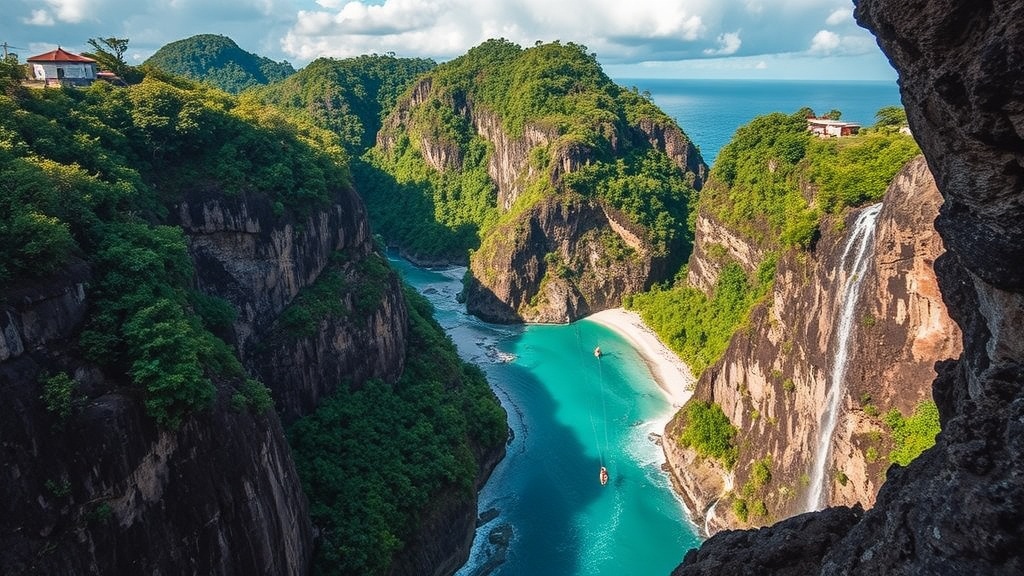
The Philippines is an archipelago of over 7,000 islands, offering some of the most dramatic limestone cliffs in the world. While dedicated bungee platforms are less common here than in established hubs like Queenstown, the rise of "cliff jumping" culture in places like El Nido and Cebu provides a more raw, natural version of the adrenaline rush. Professional guides often lead excursions where you can leap from limestone outcrops into deep, clear lagoons.
For those seeking a more controlled environment, certain high-end resorts in Cebu have begun incorporating bungee-style rope swings and high-altitude jumps into their adventure packages. The water clarity in Palawan is world-class, meaning even if you are jumping into a natural formation rather than a professional rig, the visual reward is unparalleled. If you prefer a controlled, engineered drop over a natural cliff jump, you might want to research where to find the longest bungee jumps in the world to compare the scale of these tropical jumps against the heavyweights.
4. Costa Rica
Costa Rica is the gold standard for adventure tourism in Central America. The country has a deeply ingrained culture of eco-adventure, which means the safety standards for high-altitude activities are generally much higher than in neighboring regions. You will find bungee and high-rope experiences integrated into canopy tours in the Monteverde Cloud Forest and the Manuel Antonio region.
The experience here is unique because you are often jumping through a misty, high-altitude jungle canopy. The humidity and temperature are higher than in mountain-based bungee sites, which can affect your grip and physical exertion. I recommend wearing moisture-wicking athletic gear and ensuring your footwear is secured tightly, as the transition from the jungle floor to the jump platform can be slippery.
5. Fiji
Fiji offers a more secluded, "off-the-beaten-path" feel compared to the massive tourism hubs of Thailand or Bali. While the bungee scene is niche, the island's topography—characterized by steep volcanic mountains and coral reefs—is perfect for high-altitude rope swings and bungee-adjacent activities. Many luxury resorts on the larger islands offer these as part of their premium adventure packages.
The primary advantage of jumping in Fiji is the isolation. You are often jumping over uninhabited islets or pristine reefs, providing a sense of solitude that you simply cannot get at a commercialized park. When booking, ask specifically if the jump is a fixed-rig bungee or a free-swinging rope jump, as the sensation of the "rebound" differs significantly between the two.
6. Mauritius
Located in the Indian Ocean, Mauritius is a destination that blends luxury with rugged volcanic terrain. The island features steep cliffs and dramatic coastlines that are ideal for high-adrenaline activities. While bungee jumping is often a specialized excursion here, the island's infrastructure supports high-end adventure tours that include vertical drops.
The weather in Mauritius is generally stable, which is a major plus for bungee operators. High winds can often shut down jump sites in other tropical locations, but the volcanic geography of Mauritius provides some natural windbreaks. This makes it a reliable destination for those who want to plan their adventure around a strict itinerary.
7. The Maldives
The Maldives is traditionally seen as the ultimate destination for relaxation, but the emergence of "extreme luxury" is changing that. While you won't find a massive bungee tower on every sandbank, high-end boutique resorts are increasingly incorporating extreme sports to cater to the high-net-worth adventurer. This often includes bungee-style jumps from elevated platforms over the lagoon.
The view from a bungee platform in the Maldives is arguably the best in the world. You are looking down through layers of turquoise and sapphire water toward the white sand of the seabed. Because these jumps are often part of luxury resort packages, the equipment is usually top-tier, but I always advise checking the weight limits and the specific type of harness used, as these are often specialized for water landings.
Technical Considerations for Tropical Bungee Jumping
Jumping in a tropical environment presents specific challenges that you won't encounter in temperate climates like New Zealand or the Swiss Alps. You must be aware of the following three factors to ensure your safety and enjoyment:
- Humidity and Equipment: High humidity can affect the elasticity of certain types of cordage and the grip of your harness. Always ensure the operator performs a pre-jump check of the tension and the integrity of the webbing.
- Heat Exhaustion: The physical stress of a bungee jump—the adrenaline spike followed by the sudden drop—can be exacerbated by heat. Hydrate heavily at least two hours before your jump to prevent dizziness on the platform.
- Water Landing Safety: Many tropical bungee sites are designed for water landings. Ensure your eyewear (like polarized sunglasses) is secured with a strap, and be prepared for the impact of the water, which can be much harder than expected if you are not braced correctly.
Final Pro-Tip: The Mental Game
Even after hundreds of jumps, the feeling of standing on the edge of a platform in a tropical paradise is still intimidating. The beauty of the scenery can actually make the height feel more daunting because the horizon is so clear. Don't fight the nervousness; use it. The contrast between the serene, calm water below and the violent, sudden movement of the jump is what makes these tropical locations so special. Whether you are in the jungles of Costa Rica or the cliffs of the Philippines, embrace the fear—it's the best part of the trip.