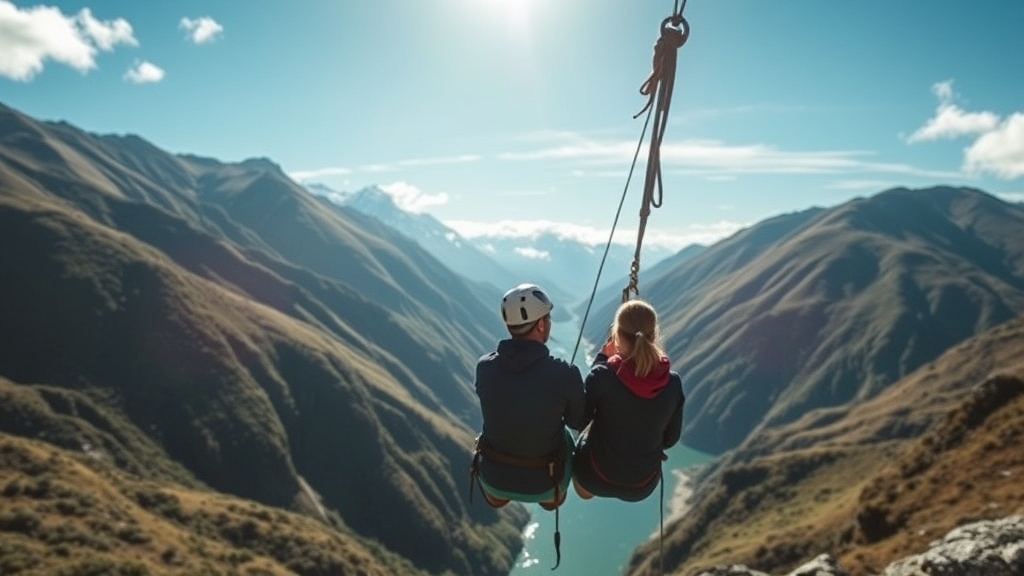
Finding the Best Bungee Locations in New Zealand

A traveler stands on a metal platform 134 meters above a rocky riverbed, staring at the canyon floor. Their heart rate is spiking, their hands are trembling, and the wind is whipping through the gorge. This is the moment of truth that defines the bungee experience. This guide identifies the premier bungee jumping locations in New Zealand, categorized by the type of adrenaline hit they offer, to help you plan your ultimate adventure itinerary.
The Bungee Capital: Queenstown and Central Otago
New Zealand is globally recognized as the birthplace of commercial bungee jumping, and the Queenstown region remains the undisputed epicenter. If you are looking for high-spec facilities, professional jump masters, and a variety of heights, this is where your journey begins. The jumps here are not just about the fall; they are about the engineered precision of the equipment and the sheer scale of the landscapes.
Kawarau Bridge Bungy
This is the historical heavyweight. Located on the historic Kawarau Suspension Bridge, this is where AJ Hackett first pioneered the sport. It is a 43-meter drop over the turquoise waters of the Kawarau River. While it may not be the highest jump in the country, it is the most iconic. It is the perfect spot for a first-timer because the height is intimidating but manageable, and the setting is steeped in adventure history. The view of the river below provides a visceral sense of scale that prepares you for larger drops later in your trip.
The Nevis Bungy
If you want to test your mental limits, the Nevis Bungy is the destination. Situated in a remote canyon outside of Queenstown, this jump is 134 meters high. This is a massive leap of faith that requires significant mental preparation. The platform is isolated, and the sheer depth of the gorge creates a psychological weight that shorter jumps cannot replicate. For those who have already mastered shorter drops, this is the logical next step. If you are curious about how to prepare for a jump of this magnitude, read our guide on leaping into the abyss for the first time.
AJ Hackett Canyon Swing
While technically a swing rather than a traditional bungee, the Canyon Swing in the Nevis Valley offers a different kind of kinetic energy. Instead of a vertical drop, you are swung through a massive arc. It is a high-speed, high-G experience that provides a completely different sensation of movement through space. It is an essential addition to a Queenstown itinerary for those who want to experience multiple forms of aerial adrenaline in one region.
North Island Alternatives and Coastal Thrills
While the South Island holds the record for height and history, the North Island offers unique topographical advantages, particularly involving coastal views and volcanic landscapes. These jumps often feel more integrated into the natural, lush greenery of the North Island.
Taupo Bungee
Located near the shores of Lake Taupo, this jump offers a different aesthetic than the rugged, rocky canyons of the South. The environment here is characterized by rolling hills and proximity to one of the largest freshwater lakes in the Southern Hemisphere. The jump height is generally around 47 meters, making it a highly accessible option for travelers who are visiting the geothermal regions of the North Island and want to add an extreme element to their sightseeing.
Waihekete and Coastal Jumping
While more niche and often seasonal, the North Island provides opportunities for jumps that feel more connected to the ocean. The wind patterns in these coastal areas can be more unpredictable than the inland canyons, so it is vital to check the weather twice before booking your jump. Coastal jumps offer a sense of vastness, where the horizon meets the sea, providing a different psychological trigger than the enclosed feeling of a canyon jump.
Technical Considerations for Your New Zealand Jump
To get the most out of these locations, you need to understand that bungee jumping is as much a technical discipline as it is a thrill-seeking activity. Do not treat these jumps as mere tourist attractions; treat them as high-performance athletic events.
Height vs. Experience
Do not make the mistake of booking the highest jump immediately. The psychological aspect of the "edge" is a skill that can be developed. If you are at the Nevis and you feel the onset of vertigo, it is often better to have completed a jump at the Kawarau Bridge first. The shorter jump allows you to calibrate your body's reaction to the harness and the sensation of freefall. Once you understand how your body handles the deceleration at the bottom of the cord, you can approach the larger jumps with more tactical control.
Gear and Safety Standards
In New Zealand, the safety standards are among the strictest in the world. When you arrive at a site like the Nevis or Kawarau, you will undergo a rigorous harness fitting. Pay attention to the technicians. They are checking the tension of the leg loops and the integrity of the carabiners. A high-quality jump operation will always allow you to see the equipment being inspected. If you are looking for more information on how to find high-standard sites globally, check out our post on finding the best bungee sites near major transport hubs.
The Importance of Timing
The time of day you choose to jump can significantly impact your experience. In the Queenstown region, the afternoon often brings more wind. While professional jump masters can manage various wind speeds, high winds can increase the "swing" factor and make the platform experience more intense. If you prefer a more controlled, stable environment, aim for morning sessions when the air is typically calmer and the light is clearer for photography.
Planning Your Adventure Itinerary
If you are traveling specifically to jump, you should structure your trip to build momentum. A professional approach to a bungee tour looks like this:
- Phase 1: The Warm-up. Start with a 40-50 meter jump (Kawarau Bridge). This builds confidence in the equipment and the harness.
- Phase 2: The Variation. Incorporate a swing or a different type of drop (Canyon Swing). This teaches you how to handle different directions of momentum.
- Phase 3: The Peak. End with the high-altitude jumps (The Nevis). By this point, your nervous system is primed, and the "fear" is replaced by a focused adrenaline state.
When planning, remember that these locations are often in remote areas. If you are heading to the Nevis, you will likely need a rental car or a shuttle service from Queenstown. Do not rely on public transport, as the schedules for adventure operators are often tightly coordinated with private transport.
Summary Table of New Zealand Bungee Locations
| Location | Type | Approx. Height | Primary Vibe |
|---|---|---|---|
| Kawarau Bridge | Classic Bungee | 43m | Historical/Iconic |
| The Nevis | High-Altitude Bungee | 134m | Extreme/Intimidating |
| Nevis Canyon Swing | Swing | N/A | Kinetic/High-G |
| Taupo Bungee | Standard Bungee | 47m | Scenic/Accessible |
New Zealand is not just a place to watch a jump; it is a place to experience the engineering of fear. Whether you are standing on the edge of the Nevis or looking down the Kawarau, the goal is the same: to push past the hesitation and embrace the fall.