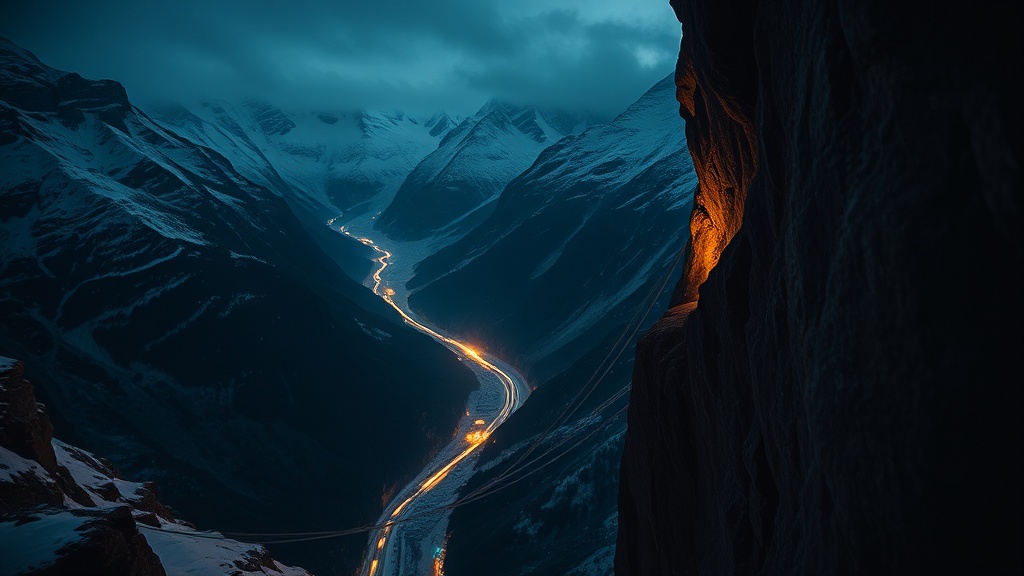
Hidden Bungee Spots in the Swiss Alps
Are you looking for the ultimate adrenaline rush in the heart of Europe?
The Swiss Alps are world-renowned for skiing and mountaineering, but for those of us obsessed with gravity, they offer something far more visceral. While many travelers stick to the standard commercial sites, there is a network of high-altitude, high-intensity jumps scattered across the Swiss cantons that provide much more than just a quick drop. This post identifies the specific locations, the technical requirements, and the logistical realities of finding and booking bungee jumps in the Swiss Alps, ensuring you don't end up at a dead end when you're ready to leap.
Finding a legitimate jump in Switzerland requires more than just looking for a high bridge. Because of strict Swiss safety regulations and the extreme topography of the Alps, many of the best spots are seasonal or tucked away in remote valleys. Whether you are looking for a massive drop over a glacial river or a high-altitude leap with a view of the Eiger, you need to know exactly where to look and how to prepare.
The High-Altitude Hubs of the Swiss Alps
Switzerland does not have the same density of permanent bungee platforms as New Zealand, but it compensates with sheer verticality and breathtaking scenery. Most of the high-intensity jumping is concentrated in regions where river valleys provide the necessary clearance for long cords. When planning your trip, you should focus on the Bernese Oberland and the Valais regions, as these areas offer the most dramatic geological features suitable for extreme rope work.
The Interlaken Corridor
Interlaken is often the starting point for adventure seekers in Switzerland. While the town itself is more famous for paragliding, the surrounding valleys are prime territory for rope-based adrenaline. The area around Lauterbrunnen—the valley of 72 waterfalls—is technically one of the most spectacular places on earth to experience a freefall. While many jumps here are specialized, the sheer scale of the limestone cliffs provides a backdrop that makes even a standard jump feel much more intense. If you are a beginner, I highly recommend reading leaping into the abyss: a first-timer's guide to bungee jumping to understand how the gear and the psychological preparation differ when you are facing a massive cliff face.
The Valais Alpine Drops
Moving south toward Zermatt and the Matterhorn, the terrain becomes even more rugged. The Valais canton is home to some of the highest peaks in Europe, and the valleys here are deep and narrow. This is where you find the most "hidden" opportunities. These jumps are often more technical and may be operated by specialized extreme sports outfitters rather than large-scale tourism companies. The wind conditions in the Valais can be unpredictable, so you must be prepared for sudden changes in visibility and temperature.
Technical Realities of Alpine Bungee Jumping
Jumping in the Alps is not the same as jumping in a tropical or coastal environment. The variables change significantly when you are dealing with mountain weather and altitude. You cannot simply show up and expect a jump to happen regardless of the conditions.
Altitude and Oxygen Levels
If you are jumping at a higher elevation, your body reacts differently. Even a slight decrease in oxygen can affect your focus and your heart rate. While most bungee platforms aren't at extreme "death zone" altitudes, the physiological stress of the jump is compounded by the thin air. This can lead to increased dizziness or a more intense "rush" than you would experience at sea level. If you have any respiratory issues, ensure you have consulted a professional before booking a high-altitude jump.
Weather and Wind Resistance
Wind is the enemy of a clean jump. In the Swiss Alps, katabatic winds (cold air rushing down from the mountains) can hit a jump site with very little warning. If the wind speed exceeds the safety threshold of the operator, the jump will be canceled. This is why you must check the weather twice before booking your jump. A sunny morning in Interlaken can turn into a high-wind afternoon in a matter of minutes, making it unsafe for the cord to swing freely without hitting a rock face or a bridge structure.
Temperature and Gear Management
Don't let the summer sun fool you. Even in July, the air temperature in an Alpine valley can be significantly lower than in the nearby cities. If you are wearing light clothing, the sudden drop in temperature during the descent and the subsequent "rebound" can be a shock to the system. I always recommend wearing layers that are form-fitting. Loose clothing can catch the wind or get caught in the harness, and you want to ensure your movement is unrestricted during the tension phase of the jump.
Essential Gear and Preparation Tips
To get the most out of a Swiss Alpine jump, you need to be physically and mentally prepared. This isn't just about the jump itself; it's about the environment you are operating in.
- Footwear: Wear closed-toe, sturdy shoes. You will be walking on uneven, potentially slippery terrain near the jump site. Avoid sandals or flip-flops, as they offer no support when you are being harnessed into the gear.
- Hydration: Even if you aren't hiking, staying hydrated helps manage the adrenaline spike and prevents nausea. However, keep your meal intake light. As a rule of thumb, skip coffee before your jump to avoid any jittery side effects or stomach issues during the drop.
- Clothing: Opt for technical fabrics. Avoid heavy denim, which can be cumbersome and uncomfortable when the harness is tightened. A lightweight windbreaker is often the best choice for Alpine environments.
- Mental Focus: The visual stimulus of a Swiss gorge is immense. The depth can look much more intimidating than it actually is. Focus on a fixed point below you rather than the surrounding cliffs to manage the vertigo.
How to Locate and Book the Best Spots
Because many of these jumps are "hidden" or seasonal, you won't always find them on a standard travel booking site like Expedia or Viator. You have to go directly to the source.
- Search for Local Extreme Sport Outfitters: Instead of searching for "bungee jumping Switzerland," search for "extreme sports Interlaken" or "adventure sports Valais." Many of the best jumps are listed under broader adventure categories.
- Check Local Climbing Forums: The people who jump bungee are often the same people who climb mountains. Local climbing communities often know about temporary or seasonal jump setups that aren't heavily marketed to general tourists.
- Verify Safety Certifications: Switzerland has incredibly high standards, but always ensure the company you are booking with is fully licensed and uses modern, high-tensile cords. Look for mentions of specialized gear and rigorous maintenance schedules.
- Plan for Flexibility: If you are traveling through the Alps, do not schedule your jump for your last day. Because of the weather-dependency of Alpine jumping, you need a buffer of at least 24 to 48 hours in case the wind or visibility forces a rescheduling.
The Psychological Edge: Why the Alps?
People ask me why I keep going back to the mountains when I've already jumped in the most famous spots in the world. The answer is the scale. There is a specific kind of silence that exists in a deep Swiss valley right before you jump. It’s a heavy, pressurized silence that makes the eventual sound of the cord stretching and the wind rushing past your ears feel much more profound.
When you are standing on that edge, looking down into a gorge that has been carved by glaciers over millions of years, the stakes feel higher. It isn't just about the drop; it's about the environment. The sheer magnitude of the Swiss Alps forces you to be present. You can't be thinking about your emails or your flight home. You are entirely, 100% focused on the next five seconds of your life. That is the true reward of the Alpine jump.
Whether you are a seasoned pro or someone looking to face your fears in one of the most beautiful places on Earth, the Swiss Alps offer a level of intensity that is hard to match. Respect the mountains, respect the weather, and most importantly, respect the gear. If you do that, the jump will be a moment you never forget.