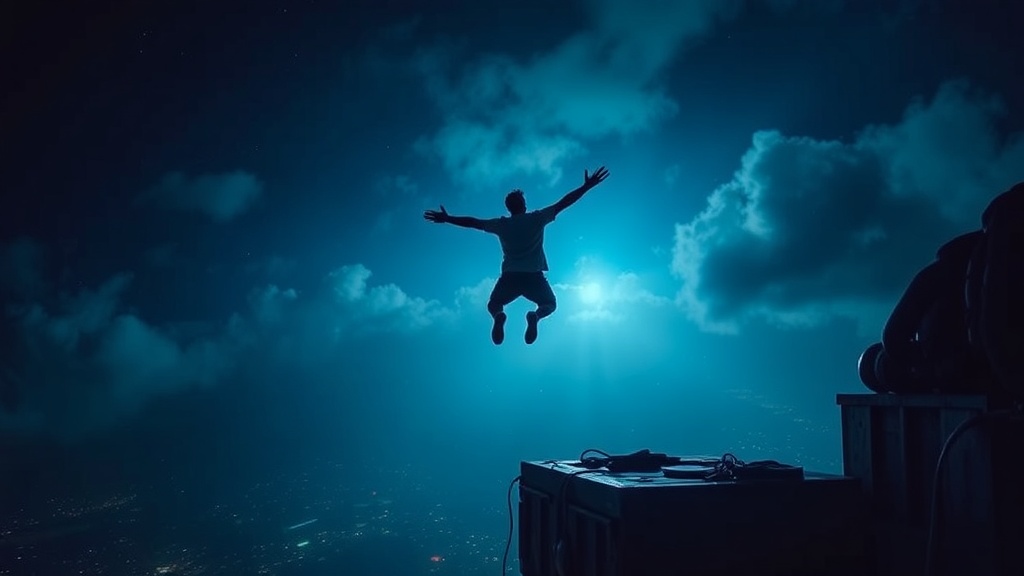
How to Overcome Fear Before Your Big Jump

A jumper stands on the edge of the Nevis Bungy platform in Queenstown, New Zealand. Their hands are gripping the metal railing so tightly their knuckles have turned white. The instructor asks, "Are you ready?" and the jumper realizes they can barely find their voice. This moment of paralyzing hesitation is a universal experience in adventure travel. This guide provides practical, physiological, and psychological strategies to manage that fear so you can actually enjoy the descent instead of fighting your own brain.
Understand the Biology of Fear
Fear is not a sign of weakness; it is a biological survival mechanism. When you look down from a height of 133 meters, your amygdala—the part of your brain responsible for processing emotions—sends an immediate signal to your adrenal glands. This triggers a "fight or flight" response, flooding your bloodstream with adrenaline and cortisol. You might feel your heart racing, your palms sweating, or even a slight tremor in your legs. This is your body preparing for a perceived threat.
Recognizing these sensations as normal biological functions rather than "panic" can change your mindset. Instead of thinking, "I am panicking," try thinking, "My body is preparing for an intense physical event." This shift in internal dialogue moves you from a state of victimhood to a state of readiness. Understanding that these symptoms are temporary and part of the thrill makes the process more manageable.
The Power of Controlled Breathing
The most effective way to hack your nervous system in real-time is through breathwork. When fear hits, your breathing becomes shallow and rapid, which actually increases the feeling of panic. To counter this, use the Box Breathing technique. This is a method used by elite athletes and even tactical professionals to maintain focus under extreme pressure.
- Inhale: Breathe in through your nose for a count of four.
- Hold: Hold that breath in your lungs for a count of four.
- Exhale: Breathe out slowly through your mouth for a count of four.
- Hold: Keep your lungs empty for a count of four before the next inhale.
Practicing this while you are waiting in the queue—perhaps while you are being fitted into your harness—will lower your heart rate and stabilize your oxygen levels. This ensures that when you finally reach the platform, you aren't gasping for air, which can exacerbate the feeling of dread.
Visualizing the Success, Not the Fall
The human brain is a master of "catastrophizing." As you stand on the platform, your mind likely isn't thinking about the incredible view of the Kawarau River; it is likely visualizing the sensation of falling or the feeling of the cord snapping. This is a natural tendency, but it is counterproductive to your enjoyment.
To combat this, use Positive Visualization. Instead of focusing on the drop, visualize the moment after the jump. Imagine the rush of endorphins as you bounce on the cord, the feeling of accomplishment when you are being lowered back to the platform, and the high-fives from the jump crew. By focusing on the "after-glow" rather than the "pre-drop," you redirect your mental energy toward the reward rather than the perceived danger.
Mental Rehearsal Techniques
If you have time during your travel transit, perform a mental rehearsal. Close your eyes and walk through the entire process: arriving at the site, checking your gear, walking to the edge, and the actual jump. If you find yourself getting stuck on the "edge" moment during your rehearsal, repeat the successful completion of the jump in your mind until that mental loop feels routine. This builds a sense of familiarity with a situation that is inherently unfamiliar.
Practical Preparation and Gear Confidence
A significant portion of jump anxiety stems from a lack of trust in the equipment. While the technical side of the jump is handled by professionals, knowing what to expect can alleviate much of that uncertainty. Most high-end bungee operations, such as those found in New Zealand or South Africa, use heavy-duty, high-tensile strength rubber cords and redundant harness systems.
Before you reach the platform, ensure you have minimized any external variables that could cause discomfort or distraction. For example, make sure you have secured all belongings. You should check why you should never wear loose jewelry when jumping to ensure that nothing is dangling or potentially hitting your face during the descent. A secure feeling in your gear translates to a more confident mental state.
- Footwear: Wear closed-toe shoes with good grip. Trying to jump in flip-flops adds a layer of physical instability that your brain will register as a risk.
- Clothing: Wear comfortable, athletic clothing that won't restrict your movement or feel uncomfortable when the harness is tightened.
- Weight Distribution: Understand that the harness is designed to distribute weight across your strongest points (usually the ankles and hips) to ensure a safe and controlled fall.
The "Count to Three" Rule
The hardest part of a bungee jump is often the final three seconds. This is when the "anticipatory anxiety" reaches its peak. To prevent yourself from hesitating or backing out at the last second, use a hard countdown. Do not use a "count to five" or "count to ten," as these can feel endless when you are standing on the edge.
A three-count is the gold standard. It is short enough to prevent your brain from overthinking, but long enough to give you a sense of control. On the count of "Three!", you must commit. There is no room for "Two-and-a-half." Once you decide to go, the decision must be absolute. The moment you commit to the count, you have already bypassed the decision-making phase and entered the action phase.
Managing the "Jump High"
Once you have conquered the fear and completed the jump, you will experience a massive surge of adrenaline and dopamine. This is often called the "Jump High." While this is an incredible feeling, be aware of the "crash" that follows. As your adrenaline levels drop, you might feel suddenly exhausted or even slightly shaky. This is completely normal.
To make the most of your adventure travel experience, don't immediately rush to the next extreme activity. Take a few minutes to sit, hydrate, and process the achievement. If you are traveling through destinations like South America or the islands of the Pacific, keep in mind that these high-intensity moments are part of a larger journey. You might want to check out 6 bungee jumping spots to visit in South America to plan your next adrenaline-fueled adventure once you've recovered.
Summary Checklist for Jump Day
To ensure you are mentally and physically prepared, follow this checklist on the day of your jump:
- Hydrate: Dehydration can make you feel lightheaded, which can be mistaken for anxiety.
- Eat Lightly: A heavy meal can lead to nausea during the rapid descent. A light snack is fine, but avoid a full meal an hour before the jump.
- Arrive Early: Rushing to the site increases cortisol levels. Arrive with plenty of time to soak in the environment and get comfortable with the location.
- Communicate: If you are feeling particularly nervous, tell your jump master. They are professionals who deal with nervous jumpers every single day. They can provide extra verbal cues or adjustments to help you feel more secure.
Fear is an inevitable part of the bungee jumping experience. It is the very thing that makes the eventual descent so rewarding. By using breathwork, visualization, and a structured countdown, you can move through the fear and into the adventure.
Steps
- 1
Visualize the Successful Jump
- 2
Practice Controlled Breathing
- 3
Focus on the Instructor's Cues
- 4
Release the Tension in Your Body