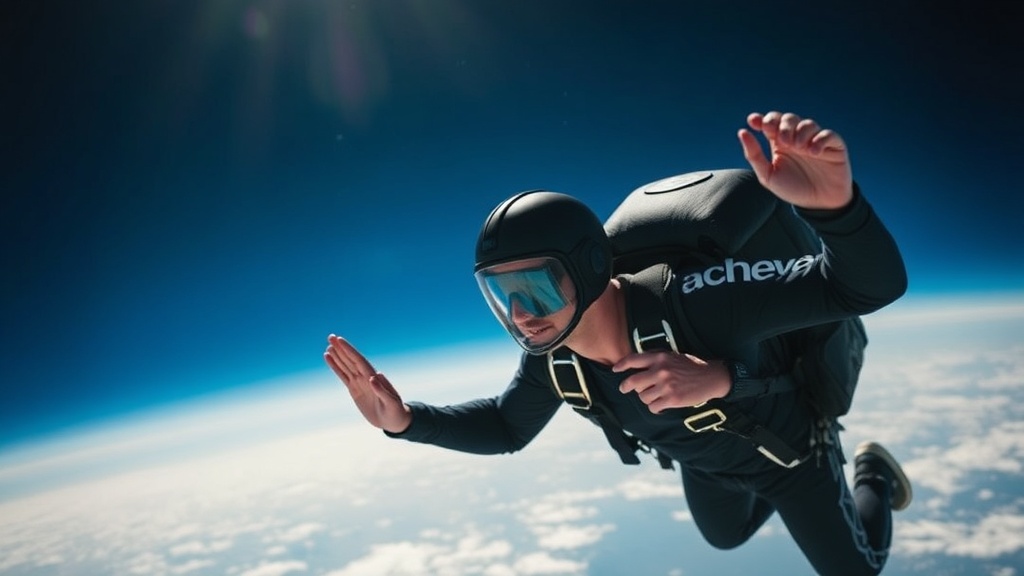
Navigating Post-Jump Adrenaline Crashes and Recovery

You’ve just hit the deck. The harness is off, the adrenaline is still humming in your ears, and you’re walking back toward the lodge feeling like a literal god. But two hours later, you’re slumped on a sofa, feeling an inexplicable sense of exhaustion, irritability, or even a mild "hangover" sensation. This is the post-jump crash. It happens because your body just underwent a massive physiological event—a massive spike in cortisol and adrenaline—and now it’s trying to find its level again. Understanding how to manage this physiological comedown is the difference between a weekend of high-octane adventure and a weekend spent in bed with a headache.
Even after 400 jumps at places like AJ Hackett, I still feel that weird, hollow sensation in my chest once the rush fades. It’s a physical reality of extreme sports. We’re talking about a massive-scale sympathetic nervous system response. When you jump, your body enters "fight or flight" mode. Once you land, your parasympathetic nervous system has to take over to bring you back to baseline. That transition isn't always smooth.
What Causes the Adrenaline Crash After Bungee Jumping?
An adrenaline crash is caused by the rapid depletion of neurochemicals and the subsequent drop in blood sugar and hormone levels following an intense physical stressor. When you stand on that platform, your brain screams at you to survive. It floods your system with adrenaline (epinephrine) and cortisol. Once the jump is over, those levels plummet. It’s a biological "debt" you’ve just accrued.
Think of it like a high-speed chase through a forest. Your body is prepared for a life-or-death struggle. When you realize you're actually safe, the body realizes it wasted a ton of energy on a perceived threat. This leads to several common symptoms:
- Physical Fatigue: Your muscles feel heavy, almost like you just ran a marathon.
- Emotional Volatility: You might feel unexpectedly tearful, angry, or strangely numb.
- Brain Fog: A feeling of being "spaced out" or unable to focus on simple tasks.
- Temperature Fluctuations: Shivering or feeling suddenly cold as your blood flow stabilizes.
I’ve seen travelers try to push through this by immediately hopping on a long-haul flight or a grueling hike. That’s a mistake. You need to treat the aftermath of a jump with the same respect you give the jump itself. If you don't manage the recovery, you'll spend the rest of your adventure feeling like a zombie.
It’s worth noting that adrenaline isn't just a buzzword; it's a real chemical process that has real biological consequences. If you're feeling a bit shaky, don't panic. It's just your body recalibrating.
How Can I Recover Faster After an Extreme Sport?
The fastest way to recover from an adrenaline-induced crash is to focus on hydration, blood sugar stabilization, and gentle movement rather than intense exertion.
Most people forget that a jump is a full-body experience. It isn't just mental. Your heart rate has been pinned at a high level, and your breathing has been shallow and rapid. To get back to normal, you need to feed the machine. I always carry a high-protein snack and some electrolytes in my kit. If you’ve been reading my guide on packing the perfect adventure kit, you know that preparation starts long before the jump.
Here is my personal protocol for a successful post-jump recovery:
- Hydrate with Electrolytes: Water isn't enough. You need minerals to help your nervous system reset. Grab a Gatorade or a similar electrolyte drink to replenish what was lost through sweat and rapid breathing.
- Eat Complex Carbohydrates: Your brain has burned through glucose. Eat something slow-burning, like oatmeal or a whole-grain sandwich, to prevent a blood sugar crash.
- Temperature Regulation: Adrenaline can mess with your internal thermostat. If you feel a chill, put on a heavy layer—something like a Patagonia Nano Puff—to keep your core temperature steady.
- Gentle Movement: Don't just sit perfectly still. A slow walk helps circulate the remaining hormones out of your system.
Sometimes, the "crash" feels more like a mental fog. If you find yourself feeling strangely unmotivated or even a bit depressed an hour after the jump, don't worry. It's a temporary dip in dopamine. It passes.
Comparing Types of Post-Jump Sensations
| Sensation Type | What It Feels Like | Likely Cause | Immediate Fix |
|---|---|---|---|
| The "High" | Euphoric, invincible, energetic | Peak Adrenaline/Dopamine | Enjoy it, but stay hydrated! |
| The "Crash" | Tired, shaky, hungry, irritable | Hormonal/Glucose depletion | Complex carbs and rest |
| The "Fog" | Disoriented, ungrounded, dizzy | Nervous system recalibration | Deep breathing and stillness |
Is It Normal to Feel Nervous After the Jump?
Yes, it is completely normal to feel a lingering sense of anxiety or even "fear" even after you have safely landed and unclipped from the harness.
I’ve been doing this for years, and I still get those butterflies on the platform. The jump is over, but the brain's amygdala—the part of your brain that processes fear—doesn't just "turn off" the second your feet touch the ground. It takes time for the physiological signal to reach your brain that the danger has passed. This can manifest as a lingering sense of dread or even a slight tremor in your hands.
If you find that the nervousness is affecting your ability to enjoy your travel experience, try the "5-4-3-2-1" grounding technique. Acknowledge 5 things you see, 4 things you can touch, 3 things you hear, 2 things you can smell, and 1 thing you can taste. This pulls your brain out of the "internal" fear loop and back into the physical world. It’s a great way to manage the mental side of the adrenaline cycle.
If you're worried about the physical sensations of the jump itself—like the impact or the sensation of falling—you might want to check out my post on why your first jump feels nothing like you'd expect. Often, the "fear" is actually just a reaction to a sensation you weren't prepared for.
One thing to watch out for: if your dizziness or nausea persists for more than 24 hours, it might not be a simple adrenaline crash. In those cases, you should consult a medical professional. But for 99% of us, it's just the standard "comedown" from a high-intensity event.
The goal of extreme adventure travel isn't just the jump—it's the ability to return to the world feeling refreshed and accomplished. Respect the recovery, and you'll be ready for the next one.