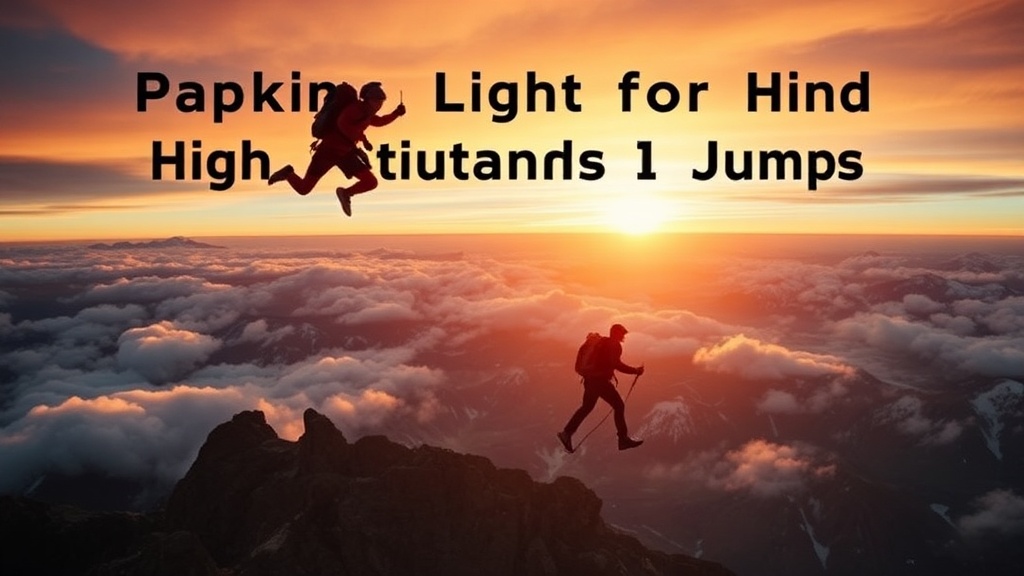
Packing Light for High-Altitude Jumps
A traveler stands at the edge of a platform in the Swiss Alps, clutching a heavy backpack that contains a thick denim jacket, a heavy DSLR camera, and a pair of loose-fitting cargo pants. As the instructor approaches to check the harness, the weight of the bag makes the traveler feel clumsy and off-balance. This is a mistake. When you're about to drop toward the earth, every extra ounce of gear becomes a liability that can snag a cord or mess with your center of gravity.
Packing for high-altitude jumps requires a focus on streamlined gear, minimal weight, and clothing that won't interfere with safety harnesses. You need to prioritize items that provide warmth without bulk and gear that stays secure to your body. This guide breaks down exactly what to bring, what to leave behind, and how to prepare your kit for extreme verticality.
What Should I Wear for a Bungee Jump?
You should wear form-fitting, durable clothing that allows for a full range of motion without any loose fabric hanging near the harness. Think of your clothing as a second skin. If you wear a baggy oversized hoodie, that fabric can get caught in the equipment or create an awkward drag during your descent. I've seen people try to jump in heavy combat boots and realize too late that the weight makes their legs feel like lead during the rebound.
Stick to athletic wear that you'd typically use for mountain climbing or trail running. A good pair of high-quality leggings or tapered joggers works much better than loose jeans. If it's cold, don't reach for a heavy parka. Instead, use a lightweight technical layer like the Patagonia Nano Puff or a similar synthetic down jacket that can be easily unzipped or removed before you step onto the platform.
The Ideal Jump Outfit Checklist:
- Footwear: Closed-toe shoes like running sneakers or hiking shoes (no sandals, no flip-flops, and no heavy boots).
- Bottoms: Tapered athletic pants or leggings (avoid anything with excessive pockets or loose hems).
- Tops: A moisture-wicking T-shirt or a fitted thermal base layer.
- Accessories: A headband or a snug baseball cap to keep hair out of your eyes (but don't wear jewelry).
One thing to remember—jewelry is a big no-go. Rings, necklaces, and dangling earrings aren't just a distraction; they're a safety hazard. If a ring gets caught on a piece of gear, it can cause a nasty injury. Leave the valuables in the car or the locker.
How Much Gear Can I Carry While Jumping?
You should carry absolutely zero gear onto the platform itself, as all personal items must be stored securely before the jump begins. Most professional operations, including the AJ Hackett sites, require you to leave bags, cameras, and phones in a designated locker or vehicle. Trying to "sneak" a phone into a pocket is a recipe for a broken device—or worse, a broken person.
If you are a photographer looking to capture the moment, don't expect to hold a camera during the fall. The G-forces and the rapid change in orientation make it nearly impossible to hold a device steady. If you want high-quality footage, look for operators that offer a GoPro service. It’s much better to have a professional capture the shot than to lose your expensive gear to a canyon floor.
Here is a quick comparison of what to bring versus what to leave behind:
| Item Category | Bring This (Safe) | Leave This (Risky) |
|---|---|---|
| Footwear | Running shoes/Sneakers | Flip-flops/Heels/Heavy Boots |
| Clothing | Compression gear/Athletic wear | Baggy jeans/Loose skirts |
| Electronics | Phone (in locker) | Phone (in pocket/hand) |
| Accessories | Headband/Baseball cap | Dangling earrings/Necklaces |
If you're traveling to remote locations, your "packing" starts long before the jump. You'll likely be carrying a larger kit for the trek to the jump site. I recommend a lightweight daypack with a chest strap to keep the weight centered on your torso. This prevents the bag from swinging wildly while you're walking through uneven terrain.
Does Weather Affect What I Should Pack?
Weather dictates your layering strategy more than anything else because high-altitude environments can change temperature in minutes. Even if it feels warm at the base of the canyon, the wind chill at the jump platform can be significantly higher. You might feel a chill while waiting for your turn, but once you're in motion, your body heat will rise.
The best approach is the layering system used by professional mountaineers. Start with a base layer, add a mid-layer, and keep a shell nearby. If you're jumping in a place like New Zealand or the Alps, check the weather forecasts a few days in advance. If the wind is high, you'll want a windproof shell that won't flap around. A light windbreaker or a technical shell is a much better choice than a heavy wool sweater.
A common mistake is over-preparing for the cold. I've seen people show up in heavy parkas and then spend ten minutes struggling to strip down to a T-shirt while the instructor waits. It's awkward, it's slow, and it kills the momentum. Keep it simple. A lightweight fleece or a technical mid-layer is plenty. If you feel the chill, just add a layer before you get on the platform. Once you're hooked into the harness, you won't be able to change.
For those who are nervous—and trust me, even after 400 jumps, I still get that flutter in my stomach—having the right gear actually helps. When you aren't worried about a loose strap or a cold breeze, you can focus on the sensation of the drop. It's about being physically ready so your mind can handle the mental leap.
If you're still figuring out the basics of the experience, you might want to read my post on how to prepare for your first bungee jump. It covers the mental side of things, which is just as important as the physical gear.
When you're choosing your gear, think about the descent. You aren't just falling; you're experiencing a rapid change in pressure and movement. Your clothes should stay put. If you're wearing something that might fly up or get caught, you're asking for a distraction. Keep it tight, keep it functional, and keep it light.