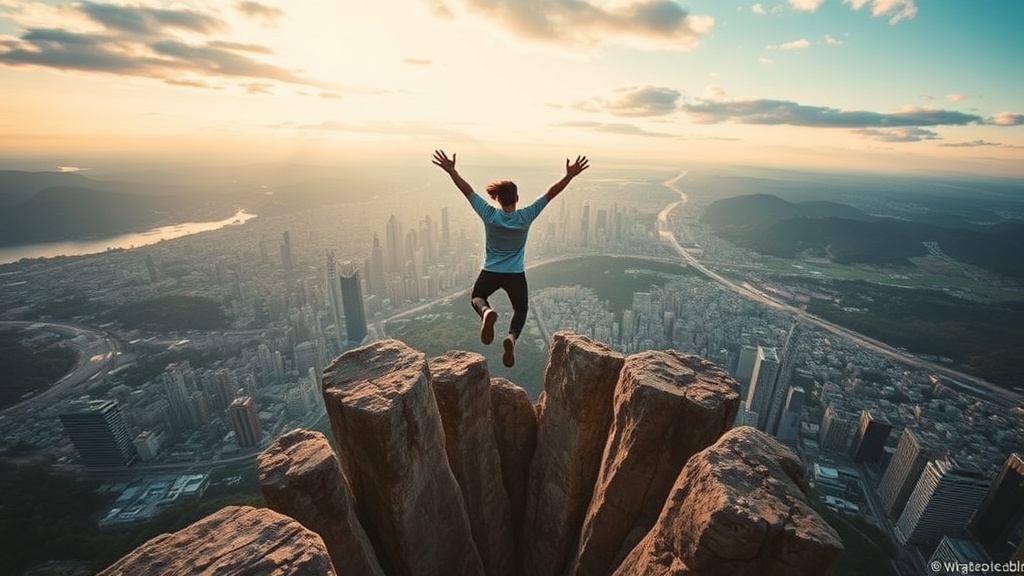
Why You Should Take Photos Before You Jump
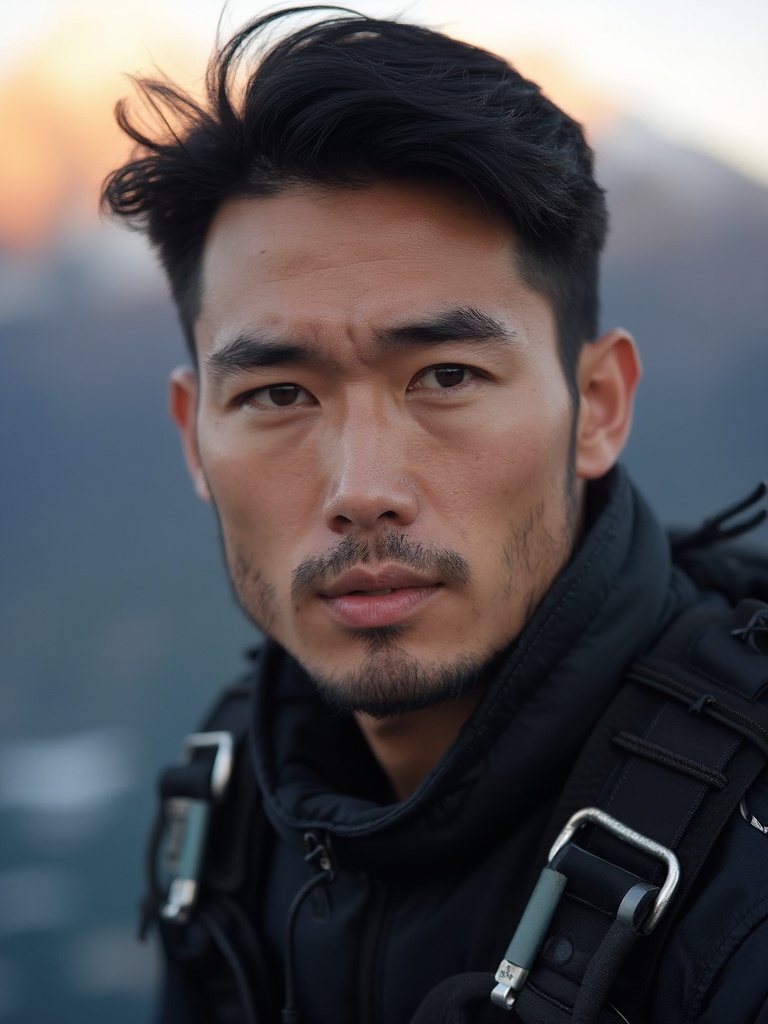
You are standing on the edge of the platform at the Nevis Highwire, looking down at the sheer drop of the canyon floor. Your heart is hammering against your ribs, your palms are sweating, and the jump master is counting down. In about five seconds, you will be in a state of pure, unadulterated adrenaline—a state where your brain effectively shuts down higher-order cognitive functions to focus entirely on survival. This is exactly why you need to capture your "before" photo immediately. This post explains the practical, psychological, and technical reasons why documenting your pre-jump state is a vital part of the bungee experience, ensuring you have a complete record of your achievement.
The Psychological Value of the "Before" Photo
Bungee jumping is as much a mental battle as it is a physical one. When you are standing on that platform, you are experiencing a peak psychological state characterized by intense anticipation and, quite often, legitimate fear. Capturing a photo in this moment serves two distinct purposes: it provides a baseline for your emotional journey, and it validates the courage it took to stand there.
Most people focus entirely on the "during" or the "after"—the shot of the face contorting during the drop or the massive grin once the harness is unclipped. However, the "before" photo captures the raw vulnerability of the moment. It documents the exact second before you conquered your fear. If you find yourself struggling with the mental preparation, reading about how to overcome fear before your big jump can help you manage those pre-jump jitters, but even if you use those techniques, the photo remains a testament to the tension you felt.
Documenting the Transition from Fear to Triumph
A photo collection that only includes the jump itself is incomplete. A high-quality photo set should tell a chronological story. By taking a photo while you are still on the platform or in the staging area, you create a "before and after" narrative. This contrast is what makes the memory stick. When you look back at that photo of yourself looking nervous or hesitant, and then look at the video of you screaming through the air, the sense of accomplishment is magnified. It proves that you didn't just jump; you moved through a difficult emotional state to achieve something extraordinary.
Practical Tips for the Best Pre-Jump Photos
You cannot wait until you are actually tethered to the cord to think about photography. By the time the jump master is checking your harness, your focus should be entirely on the jump. You need to coordinate your photo capture during the transition periods. Here is how to ensure you get a great shot without compromising safety or timing.
Coordinate with the Jump Crew
Professional bungee operations, like those at AJ Hackett, have dedicated photographers or video operators. These professionals know exactly when the "golden moments" are. Instead of trying to hold your own phone or camera—which is a massive safety hazard and a distraction—talk to the crew. Ask them if they can grab a quick shot of you on the platform before the final harness check. They are trained to work around the safety protocols and can often capture that authentic, high-tension expression without getting in the way of the technical setup.
Watch Your Accessories and Gear
If you are attempting to take a photo yourself (though highly discouraged for safety reasons), you must be mindful of your belongings. A loose phone or a camera strap can become a projectile or a snag hazard. Before you even get to the platform, ensure you know where your valuables are. It is a fundamental rule to never wear loose jewelry when jumping, and the same logic applies to electronics. Most jump sites provide secure lockers or designated areas for your gear. Ensure your phone is tucked away safely before you even approach the jumping area so you aren't fumbling with it when the adrenaline hits.
The Technical Side: Why the "Before" Shot Matters for Content
If you are a traveler who enjoys documenting your adventures for social media or a personal travel blog, the "before" shot is your most valuable piece of content. A video of a jump is often a blur of motion and high-speed movement. While the action is the star, the context is the story. Without the setup, the jump is just a clip of someone falling. With the setup, it is a documented feat of bravery.
- Establishing the Setting: A photo on the platform shows the scale of the jump. It shows the height of the structure and the depth of the canyon, which provides the necessary context for the viewer to understand the gravity of the jump.
- Human Connection: Viewers connect with human emotion. The look of hesitation, the deep breath, or the nervous laugh in a pre-jump photo builds empathy and engagement.
- The Full Narrative Arc: In storytelling, you need a beginning, a middle, and an end. The "before" photo is your beginning. It sets the stakes.
What to Wear for the Best Results
Since you want these photos to look good in your travel archives, a little bit of preparation goes a long way. You want to look like an adventurer, not someone who is unprepared. While you should prioritize comfort and safety, there are ways to optimize your appearance for the camera.
Color Choice: Bright, solid colors tend to pop against natural backgrounds. If you are jumping in a green canyon or near a blue river, wearing a bright red, orange, or electric blue shirt will make you stand out in the photo. Avoid busy patterns or small stripes, as these can cause a "moiré effect" (a visual distortion) in digital photography, especially in high-motion videos.
Footwear: You don't need specialized climbing gear, but avoid flip-flops or sandals. Sturdy sneakers or hiking boots look much more professional in adventure photography and, more importantly, they are much more practical for the movement required during the harness check. If you are traveling specifically for adventure, consider what to pack for your bungee jumping trip to ensure your footwear is both functional and photogenic.
Common Mistakes to Avoid
Even with the best intentions, people often miss the opportunity to capture the perfect pre-jump moment. Avoid these common pitfalls to ensure your documentation is successful.
- The "Last Minute" Attempt: Trying to take a photo while the jump master is performing the final tension check. This is the most dangerous time to be distracted. By this point, your focus should be 100% on the instructions and the safety of the gear.
- Ignoring the Lighting: If you are jumping in a canyon, the light can be tricky. If you are standing in the shadow of a cliff, your face might be dark. If you are using a professional service, don't worry about this, but if you are asking a friend to take a quick snap, ensure they are shooting toward the light, not away from it.
- Forgetting the "Why": Don't just take a photo of your face. Take a photo of the view you are about to jump into. This provides the scale and the "why" behind your jump.
Summary Checklist for Your Jump Day
To ensure you walk away with a complete set of memories, follow this quick checklist before you head to the platform:
- Secure your valuables: Ensure all phones, jewelry, and loose items are in a locker.
- Identify the photographer: Locate the professional camera operator and ask about their process.
- Check your attire: Ensure your clothes are comfortable, brightly colored, and appropriate for an extreme sport.
- Mental Check-in: Take a moment to acknowledge your fear. This is the moment you want to capture.
The jump is a fleeting second of gravity-defying intensity. The "before" photo is the quiet, powerful moment that makes the jump meaningful. Don't let the opportunity to document your courage slip away because you were too focused on the fall. Capture the tension, capture the height, and most importantly, capture the person who was brave enough to stand on the edge.