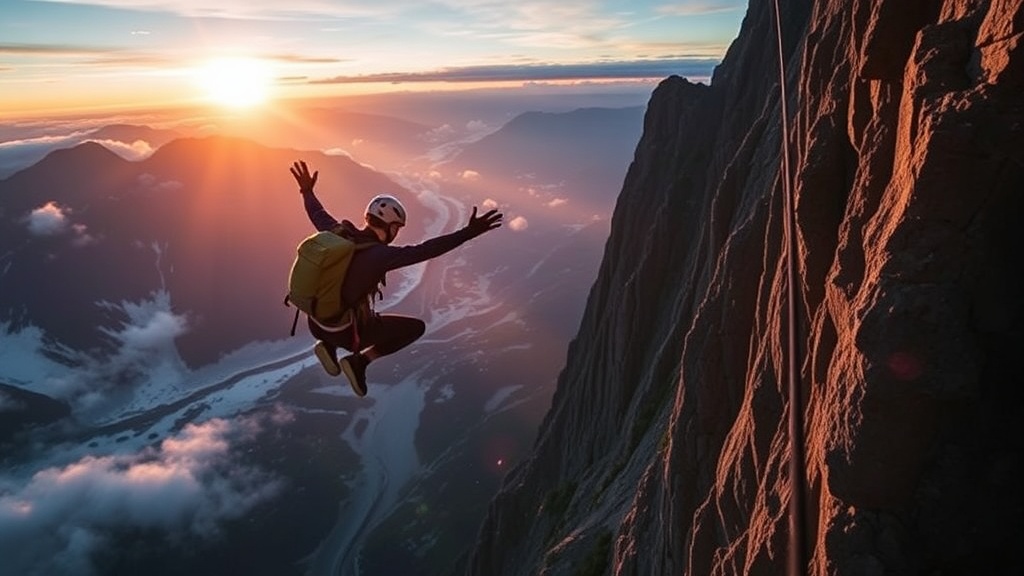
Best High Altitude Bungee Jumps for Adrenaline Junkies

The Bloukrans Bridge in South Africa
The Verdon Gorge in France
The Victoria Falls Bridge in Zimbabwe
This guide identifies the world's premier high-altitude bungee jumping locations to help you plan your next extreme adventure. You will learn which specific sites offer the greatest vertical drops, the technical requirements for each location, and how to prepare your body and mind for the intense physical sensations of a high-altitude plunge.
The Appeal of Verticality in Bungee Jumping
In the world of extreme sports, altitude changes the entire psychological and physical profile of a jump. While a 30-meter jump provides a quick hit of adrenaline, a high-altitude jump—typically defined as anything over 100 meters—introduces a prolonged sensation of freefall. This extended period of weightlessness tests your mental fortitude and changes how your body reacts to the harness tension. For those seeking to push their limits, the height of the platform is the primary metric of quality.
When you are standing on a platform hundreds of feet above a river or canyon, the visual scale is different. The ground feels further away, the wind resistance is more pronounced, and the mental preparation required is significantly higher. Even after 400 jumps, I still feel that specific tightness in my chest when the platform height exceeds 150 meters. That nervousness is a sign of respect for the physics involved.
Top High-Altitude Bungee Jumping Destinations
The following locations are selected based on their drop height, the reliability of their operations, and the sheer scale of the environment. These are not just jumps; they are landmarks in the adventure travel community.
1. AJ Hackett Nevis Bungy, Queenstown, New Zealand
The Nevis Bungy is widely considered the gold standard for high-altitude jumping. Located in the Nevis Valley, it features a massive 133-meter (436 feet) drop. The jump is reached via a high-speed gondola, which adds a layer of anticipation before you even reach the platform. The view overlooks the rugged Southern Alps, providing a stark, beautiful backdrop to the technicality of the jump.
- Drop Height: 133 meters.
- The Experience: A long, controlled freefall that provides a significant window of weightlessness.
- Technical Tip: Because of the height and the wind levels in the Nevis Valley, ensure you follow all instructions regarding removing loose jewelry to prevent any snagging during the high-velocity descent.
2. Bloukrans Bridge, Garden Route, South Africa
Located near Knysna, the Bloukrans Bridge jump is one of the highest commercial bungee jumps in the world, with a drop of approximately 216 meters (708 feet). This is a massive leap above the Bloukrans River. The jump is a structural feat, utilizing the existing bridge architecture, which creates a unique sensation of jumping from a solid, man-made structure into a natural gorge.
- Drop Height: 216 meters.
- The Experience: This is a heavy-hit jump. The sheer length of the fall is enough to make even seasoned jumpers reconsider their breathing patterns.
- Pro Tip: Given the scale of this jump, understanding how to overcome fear through breathing techniques is essential to prevent hyperventilation during the long descent.
3. Verdon Gorge, France
The Verdon Gorge, often called the Grand Canyon of Europe, offers one of the most visually stunning high-altitude jumps in the European continent. The turquoise waters of the river below provide a striking contrast to the limestone cliffs. While the jump heights can vary depending on the specific operator and seasonal water levels, the verticality of the canyon walls creates an intense psychological pressure.
- The Experience: The limestone walls of the gorge create a wind tunnel effect, which can increase the sensation of speed during your fall.
- Best Time to Visit: Late spring to early autumn when the weather in the French Alps is most stable.
4. Kawarau Bridge, Queenstown, New Zealand
While not as high as the Nevis, the Kawarau Bridge is the birthplace of commercial bungee jumping and remains a crucial destination. At 43 meters, it is a "mid-altitude" jump that serves as a perfect gateway for those transitioning from lower heights to the massive drops like the Nevis. It is a technical jump that focuses on the precision of the bounce and the rhythm of the cord.
- The Experience: A classic, high-energy jump that is less about the "void" and more about the immediate, high-impact adrenaline spike.
- Ideal For: First-time jumpers who want to experience the history of the sport before tackling 100m+ jumps.
Technical Preparations for High-Altitude Jumps
Jumping from extreme heights requires more than just courage; it requires physical and mental readiness. The higher the jump, the more your body will react to the sudden change in G-forces.
Physical Readiness and Gear
You do not need to be an elite athlete, but you should be in good general health. High-altitude jumps involve a rapid deceleration at the bottom of the cord, which puts pressure on the harness and your body. Ensure your clothing is streamlined. Avoid baggy clothing that can catch the wind or interfere with the harness placement. As a rule of thumb, wear high-quality athletic gear that stays close to your skin.
Mental Conditioning
The "void" is the hardest part of a high-altitude jump. When you look down from 200 meters, your brain struggles to process the distance, which can trigger a fight-or-flight response. To manage this, practice controlled nasal breathing. Do not hold your breath; holding your breath increases tension in your chest and can lead to a more jarring sensation when the cord begins to tension.
Visual Management
One of the best techniques for high-altitude jumps is to avoid staring directly at the ground immediately before the jump. Instead, focus on a point on the horizon or slightly past the target. This helps manage the vertigo that can occur when the ground appears to be rushing toward you. If you want to capture the moment, make sure you follow the advice on taking photos before you jump so you aren't distracted by a camera during the actual descent.
Safety Standards and Equipment
When booking a high-altitude jump, you must verify that the operator uses industry-standard safety protocols. Look for companies that use high-grade, single-use or rigorously inspected cords and multiple redundant harnesses. High-altitude jumps put significantly more stress on the bungee cord than standard jumps, so the quality of the equipment is non-negotiable.
A professional operation will always perform a thorough "pre-jump check." This includes:
- Harness Fit: Ensuring the leg loops and waist harness are tight enough to prevent shifting during the high-velocity fall.
- Weight Verification: Precise weight measurement is critical for calculating the correct cord tension and elasticity.
- Double-Check Protocol: At least two staff members should inspect every connection point before the jumper is cleared to jump.
Summary Table of High-Altitude Jumps
| Location | Country | Approx. Height | Primary Draw |
|---|---|---|---|
| Bloukrans Bridge | South Africa | 216m | Extreme verticality and river view |
| AJ Hackett Nevis | New Zealand | 133m | Gondola access and alpine scenery |
| Verdon Gorge | France | Variable | Stunning limestone canyon aesthetics |
| Kawarau Bridge | New Zealand | 43m | Historical significance and accessibility |
High-altitude bungee jumping is a pursuit of both physical sensation and mental mastery. Whether you are aiming for the 216-meter drop in South Africa or the technical heights of the Nevis Valley, the key is to respect the height, prepare your gear, and control your breathing. The reward is a level of clarity that only comes from successfully navigating a massive descent.